Middle East Conflict Escalates Following US-Israeli Military Strikes on Iran
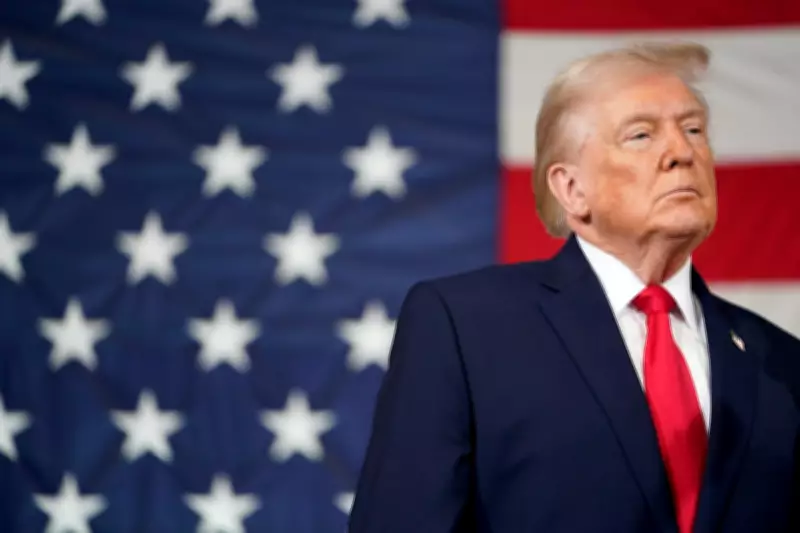
The Middle East has been plunged into a severe and expanding conflict after the United States and Israel launched extensive military operations against Iran last Saturday. US President Donald Trump confirmed the involvement, describing the strikes as a major combat operation aimed at dismantling Iran's military capabilities and preventing the development of nuclear weapons.
Initial Strikes and Immediate Retaliation
The attacks commenced with explosions reported in Tehran, targeting locations including the compound of Supreme Leader Ayatollah Ali Khamenei. Iranian state media later confirmed the Ayatollah's death in the assaults, a claim initially made by President Trump. Israel's Defence Minister, Israel Katz, stated the objective was to eliminate threats, as sirens warned of incoming missiles across Israel.
Iran swiftly retaliated, with the Islamic Revolutionary Guard Corps launching drones and missiles at Israel and US military installations in Bahrain, Kuwait, the UAE, and Qatar. The conflict quickly disrupted regional air travel, leading to closures of airspace in Israel, the UAE, and Qatar, and causing flight cancellations by airlines including Virgin Atlantic and Turkish Airlines.

Casualties and Humanitarian Impact
The humanitarian toll has been significant. According to Iran's state-run IRNA news agency, at least 165 people, including schoolgirls and staff, were killed at a girls' school in southern Iran during the initial strikes. The Iranian Red Crescent Society reported the death toll in Iran has risen to at least 1,230. In Israel, 11 fatalities have been confirmed from Iranian missile attacks, while Israeli strikes on Lebanon's Hezbollah have killed 52 people. Additional deaths have occurred in the UAE, Kuwait, and Bahrain.
US military casualties include six service members killed, with incidents such as a friendly fire incident in Kuwait where three American F-15E Strike Eagles were shot down.
Political Developments and International Involvement
In a provocative address, President Trump urged the Iranian people to overthrow their government, framing the conflict as an opportunity for regime change. The UK, under Prime Minister Sir Keir Starmer, granted the US permission to use RAF bases in Cyprus for defensive purposes, a decision made after Iranian missiles were aimed toward the region. Sir Keir defended the UK's choice not to participate directly in the strikes, emphasizing national interest.
The war has widened beyond the Middle East, with incidents including a ballistic missile entering NATO member Turkey's airspace and a US submarine sinking an Iranian warship off Sri Lanka, resulting in at least 87 deaths. Azerbaijan has also been dragged into the conflict, accusing Iran of drone attacks on its territory.
Ongoing Military Operations and Economic Consequences
Military actions have intensified, with Israel conducting waves of airstrikes on Hezbollah in Beirut's southern suburbs, leading to evacuations and significant damage. Iran has continued its missile and drone operations, targeting locations such as the US embassy in Saudi Arabia. The conflict has spurred global economic concerns, with oil prices surging in response to the instability.
As the conflict enters its second week, fears of a protracted regional war grow. President Trump has warned that the worst is yet to come, indicating potential for further escalation. The situation remains fluid, with ongoing strikes and diplomatic tensions shaping the trajectory of this major international crisis.