
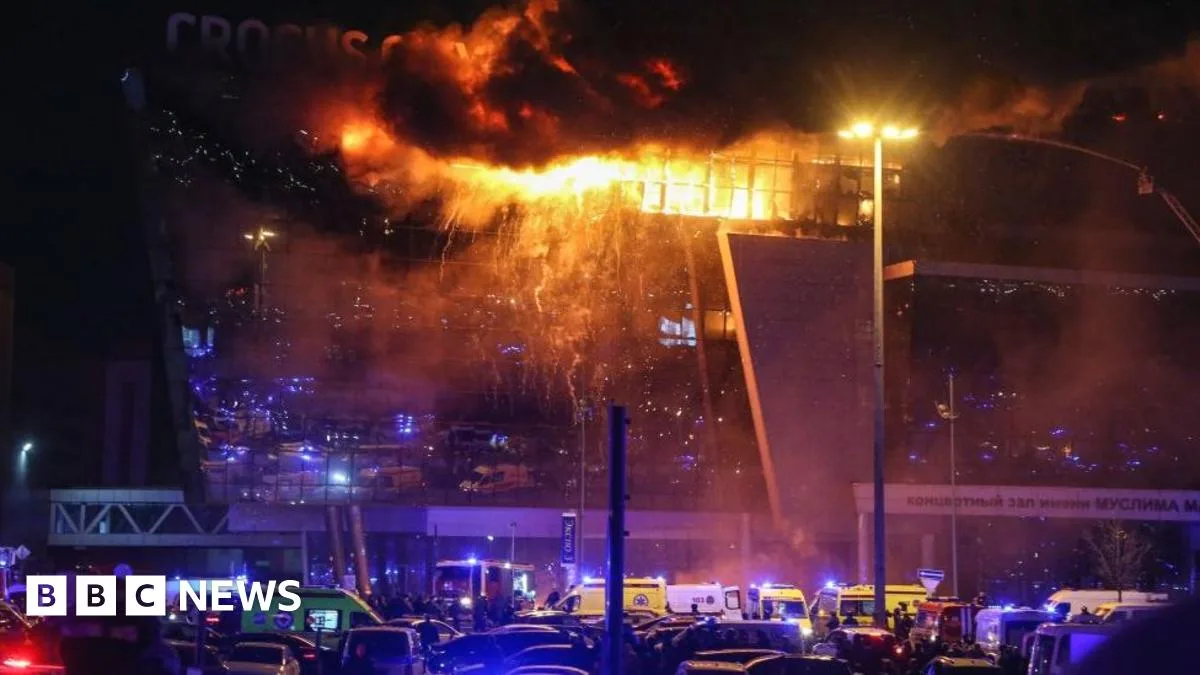
Questions are being raised about why Russia failed to prevent the deadly attack on a Moscow concert hall, especially after the United States issued a specific warning to its citizens on 7 March. The US embassy alert mentioned reports that 'extremists' had 'imminent plans to target large gatherings in Moscow', explicitly naming concerts. While the timing does not align perfectly, the details closely match the 22 March assault claimed by Islamic State (IS).
The US also stated it had shared the intelligence directly with Russian authorities under its 'duty to warn' policy. However, three days before the attack, President Vladimir Putin dismissed such Western warnings as 'outright blackmail' intended to 'intimidate and destabilise' Russian society. His remarks, made to the Federal Security Service (FSB), suggest deep mistrust may have led Moscow to disregard the alerts, viewing them as linked to the Ukraine conflict.
Intelligence sharing between nations, even non-allies, is common when civilian lives are at risk. The US has extensive surveillance of IS, which was also behind the 2021 Kabul airport bombing and recent attacks in Iraq. If the information was credible and specific, the FSB and Putin face scrutiny over their failure to act.
Analysts suggest Moscow may deflect blame by linking the attack to Ukraine, rather than acknowledging a missed warning. This would bolster domestic support for the war while avoiding accountability for the security lapse.




