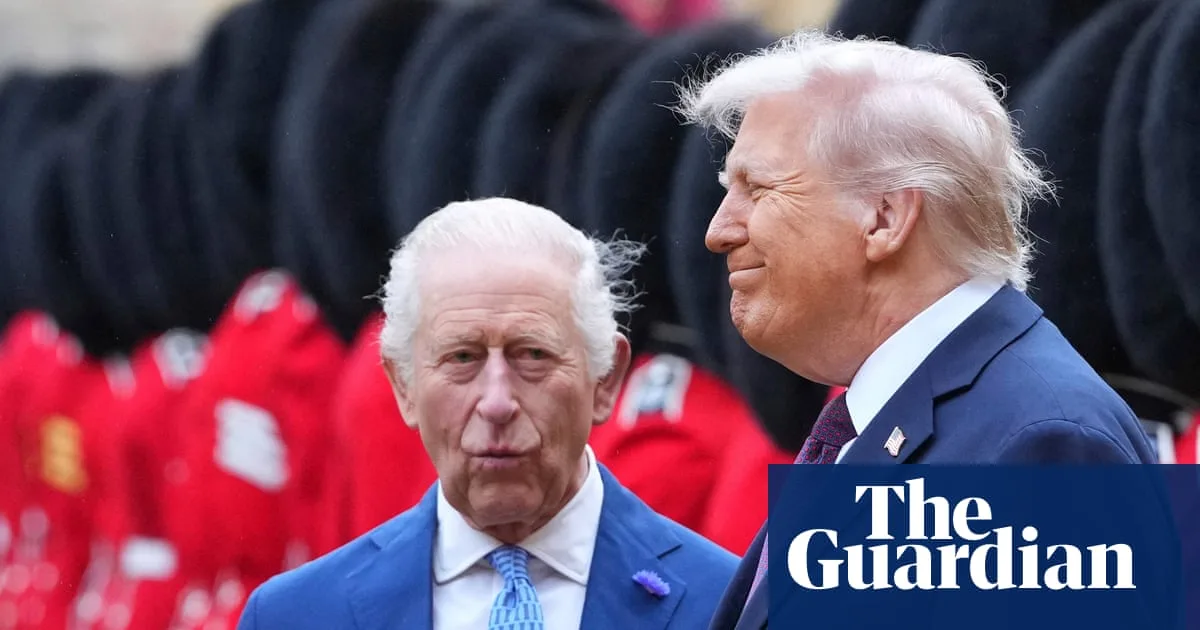
King Charles' US State Visit in Doubt Amid Trump Tensions and Iran Conflict
King Charles' US State Visit in Doubt Amid Trump Tensions

The planned State visit of King Charles and Queen Camilla to the United States next month now hangs in the balance, with significant doubts emerging over whether it will proceed as scheduled. Originally intended to mark the 250th anniversary of the Declaration of Independence, the trip faces mounting obstacles that could lead to its postponement or cancellation.

Diplomatic Tensions and Unforeseen Conflicts

The visit was initially conceived as a diplomatic opportunity to ease recent strains between London and Washington. King Charles and Queen Camilla were positioned as potential mediators who might help calm President Trump's apparent frustrations with Prime Minister Sir Keir Starmer's government. However, the ferocious American and Israeli assault on Iran has dramatically altered the geopolitical landscape, creating unforeseen complications for royal diplomacy.

The Trump Factor and Public Opinion

President Trump's unpredictable behavior and controversial statements have added another layer of difficulty. His recent comments questioning British military contributions in Afghanistan have caused particular offense, especially given King Charles's role as commander of the Armed Forces. A recent poll reveals that almost half of British citizens oppose the Iran conflict, with barely a quarter in favor, indicating widespread public concern that transcends traditional political divides.

Many traditional conservatives share these reservations about Trump's brand of nativist populism and its potential implications for Britain. With such volatility in the White House, questions arise about the wisdom of proceeding with a royal visit that could be perceived as endorsing the current administration.

Historical Precedents of Royal Diplomacy

The relationship between the British monarchy and American presidents has experienced both triumphs and challenges throughout history. The first State visit by a British monarch occurred in 1939 when King George VI and Queen Elizabeth visited President Franklin Roosevelt, creating positive public sentiment despite failing to immediately alter American neutrality policies.

Modern Royal Visits and Their Complexities

Queen Elizabeth II's State visits to America generally proved successful, including her 1957 trip where she bonded with President Eisenhower over shared baking interests. However, not all royal diplomacy has been straightforward. The 1985 visit by Prince Charles and Princess Diana occurred as their marriage showed early signs of strain, though it is remembered for Princess Diana's iconic dance with John Travolta.

The current situation presents unique challenges for King Charles, who must balance his constitutional duty to follow government advice with personal and public considerations about engaging with President Trump.

Military Service Contrasts and Diplomatic Implications

The controversy surrounding Trump's comments about British troops gains additional resonance when considering the royal family's military service record. King Charles served as a naval officer, following in the footsteps of his father Prince Philip, who was mentioned in dispatches for his role in the Battle of Cape Matapan during World War II.

Even the controversial Prince Andrew served as a helicopter pilot during the Falklands War, while Prince Harry insisted on serving with his regiment in Afghanistan. This family history of frontline service contrasts sharply with Trump's avoidance of military service during the Vietnam War, adding another dimension to the diplomatic sensitivities surrounding the proposed visit.

The Path Forward for Anglo-American Relations

The State visit forms part of Prime Minister Starmer's broader strategy of engaging with the Trump administration, an approach that has already faced setbacks including the problematic appointment of Peter Mandelson as ambassador to Washington. Some observers suggest that flattering Trump may prove counterproductive in the long term.

Given the multiple complications – from geopolitical instability to personal diplomatic tensions – there is growing sentiment that postponing the visit would be prudent. Such a delay would allow time for the Iran conflict to develop clearer outcomes and potentially reduce the diplomatic risks associated with the current volatile political climate.




