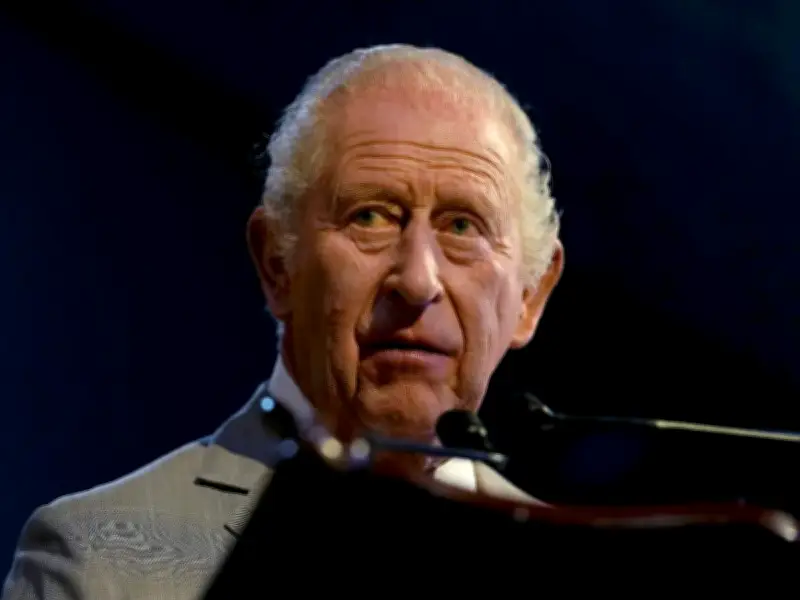
King Charles used his opening address to the Commonwealth Heads of Government Meeting in Antigua to remind the world that Britain, and the Royal Navy in particular, helped bring the transatlantic slave trade to an end, responding to calls for an apology from across the Caribbean and beyond.
Amid a chorus of pleas for reparations, the monarch declared that evil need not have the last word. The world had been watching for his response to leaders in the region who have openly challenged the existence of his role as head of state, and for them it was not what they wanted to hear.
Monarch acknowledges historic wrongs
Charles insisted that, despite conversations surrounding past actions, character and courage had combined to overcome the most monstrous injustice. He did not shy away from the horror of that period, repeating his belief that this shameful chapter fills his heart with horror and his soul with the most profound personal sorrow.
He acknowledged that the trade still casts a shadow over these islands and other Commonwealth nations, and insisted that while history is not ours to choose or to change, we can learn from it. He spoke of addressing the wrongs of the past with action for the future, through education, jobs, trade and climate resilience.
Familiar disappointment for campaigners
Words of sorrow, however, are what he has offered before, in Kigali, in Barbados and in Nassau only a week ago. For those who came to Antigua hoping for more, the address felt like a familiar disappointment.
Despite Andy Burnham, whose openness to an apology raised expectations sharply on the eve of the summit and led to claims that he made things difficult for the King, nothing had changed. Charles acts on the advice of his government and cannot get ahead of it. Mr Burnham may be open to an apology, but he has not asked the King to deliver one, and he has ruled out reparations entirely.
Caribbean republican pressure persists
That leaves a deeper question hanging over this reign. Philip Davis in the Bahamas and Gaston Browne in Antigua have both spoken openly about becoming republics. Jamaica has addressed a reparations petition directly to the King. Caribbean nations have made clear this is not a campaign that will fade once the royal plane departs.
Until a British government decides otherwise, the demands for an apology and reparations will remain unanswered, and Charles will carry them with him to every Commonwealth summit and every Caribbean tarmac for the rest of his reign. He has gone further than any monarch before him. For the countries he still calls his own, it may never be far enough.