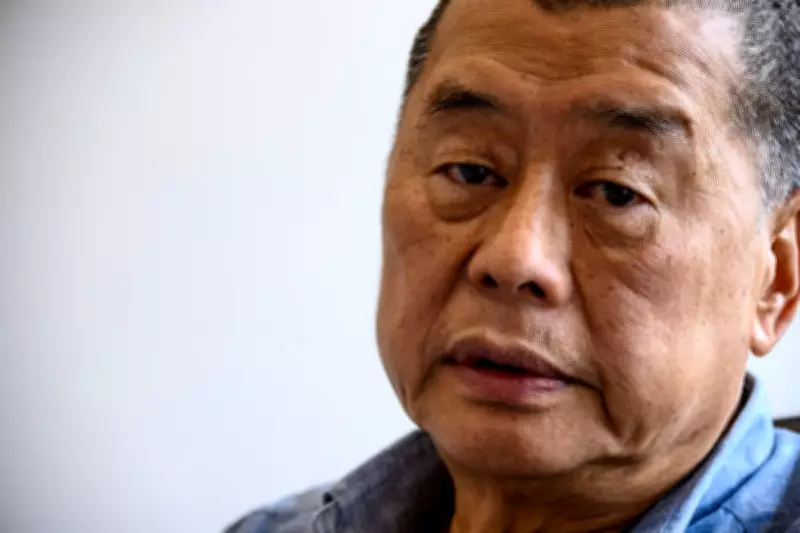
Jimmy Lai, the prominent Hong Kong pro-democracy activist and media tycoon, will not appeal his conviction and 20-year prison sentence, his legal team confirmed on Friday. This decision marks a significant development in the high-profile case that has drawn international condemnation and raised serious human rights concerns.
The Heaviest Penalty Under National Security Law
Last month, the 78-year-old British citizen was sentenced to 20 years in jail – the most severe penalty ever handed down under Hong Kong's China-imposed national security law. Lai was found guilty in December of two charges of conspiracy to collude with foreign forces, along with one charge of conspiracy to publish seditious material.
The founder of the now-defunct Apple Daily newspaper has consistently denied all allegations of wrongdoing. A member of Lai's Hong Kong legal team stated unequivocally: "We can confirm we have clear and definitive instructions not to lodge an appeal against conviction or sentence." The legal representatives did not provide further explanation for this strategic decision.

International Outcry and Political Reactions
Lai's son, Sebastien Lai, has vehemently criticized the proceedings, describing the trial as "politically motivated" and asserting that his father was "ludicrously found guilty in Hong Kong of trying to destroy the city he made his home in and which he loves."
The case has sparked significant international concern. In late January, UK Prime Minister Keir Starmer visited Beijing and indicated he would "raise the issues that need to be raised" regarding human rights with Chinese President Xi Jinping. During his flight to China, Starmer told reporters: "Part of the reason for engaging with China is so that issues where we disagree can be discussed."
However, Lai's son later accused the British prime minister of insufficient action to secure his father's release. UK Foreign Secretary Yvette Cooper issued a strong statement, declaring: "For 78-year-old Jimmy Lai, 20 years is an effective life sentence, following a politically motivated prosecution under a law that was imposed to silence China's critics. The Hong Kong authorities must end Jimmy Lai's appalling ordeal and release him to be with his family."
United Nations and Global Criticism
Volker Turk, the United Nations human rights chief, has called for the verdict to be "promptly quashed," describing it as "incompatible with international law." In an official statement, Turk emphasized: "Jimmy Lai is a publisher sentenced to 20 years in prison for exercising rights protected under international law. This outcome highlights how the vague and overly broad provisions of Hong Kong's national security legislation can lead to being interpreted and enforced in violation of Hong Kong's international human rights obligations."
The UN rights chief further appealed for Lai's "immediate release on humanitarian grounds, given his advanced age, health, and the impact of the more than four years he has already spent in detention."
Historical Context and Previous Appeals
Lai's journey from a penniless teenage refugee who arrived in Hong Kong as a stowaway to becoming one of the city's most influential media magnates adds poignant context to his current status as Hong Kong's most prominent political prisoner. His case represents a dramatic fall from prominence for a figure who once symbolized Hong Kong's vibrant independent media landscape.
International efforts to secure Lai's release have spanned multiple administrations. Last December, former US President Donald Trump revealed he had personally appealed to President Xi Jinping regarding Lai's situation. "I feel so badly," Trump told reporters. "I spoke to President Xi about it and I asked to consider his release."
The decision not to appeal means Lai will likely serve his full 20-year sentence unless political or diplomatic intervention leads to his release. This development comes amid increasing pressure from human rights organizations worldwide, who view Lai's case as emblematic of broader concerns about Hong Kong's judicial independence and political freedoms under the national security law.