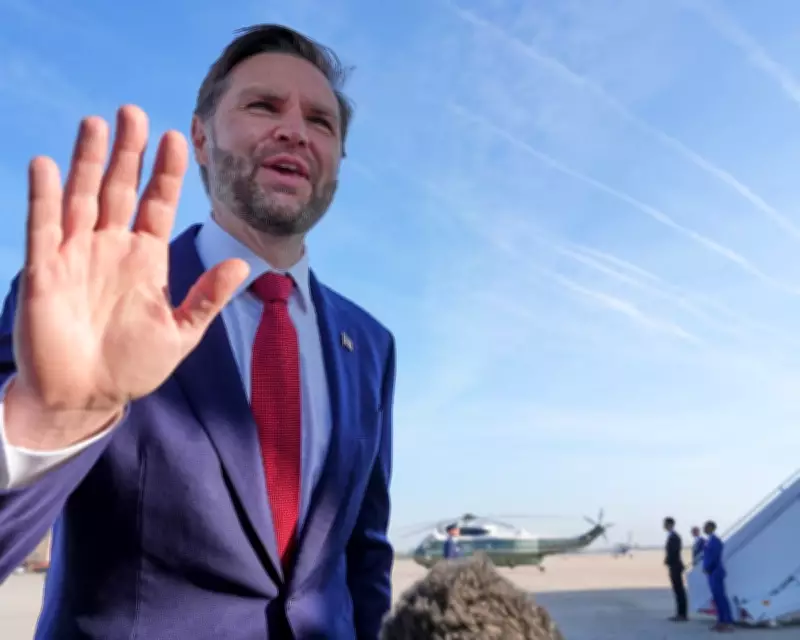
JD Vance Embarks on Critical Peace Mission to Pakistan Amid Iran Conflict
US Vice-President JD Vance has boarded Air Force Two en route to Islamabad, Pakistan, for high-stakes negotiations aimed at ending the ongoing US-Israel war with Iran. This assignment marks Vance's first major diplomatic foray into the conflict, a role that analysts describe as a poisoned chalice given the complex geopolitical landscape.
A Daunting Diplomatic Challenge
Vance, a vocal critic of past US military engagements in the Middle East who has remained relatively quiet since the current war began, now confronts Iranian negotiators emboldened by their strategic control of the Hormuz Strait and resilience against a historic US-Israeli offensive. His presence elevates this meeting to the highest-level US-Iran dialogue since the 1979 Iranian Revolution, underscoring its significance.
The vice-president's mandate is clear: to bridge the gap between a fragile ceasefire and a sustainable peace agreement. However, Vance faces a difficult choice in Islamabad. He must decide whether to endorse substantial US concessions to Iran to maintain the ceasefire and negotiate reopening the Hormuz Strait, or to walk away from talks, potentially triggering a resumption of hostilities that is unpopular with the American public.

Political Stakes and Regional Tensions
The outcome of these talks could profoundly impact Vance's anticipated presidential bid in 2028, where his Maga credentials are already under scrutiny for his muted opposition to the war. Initially advocating for a restrained foreign policy and an end to US forever wars in the Middle East, Vance now risks being drawn deeper into the largest US intervention in the region since the Iraq War.
Whether negotiations will even commence remains uncertain. Recent massive Israeli strikes on Lebanon and disputes over ceasefire terms have angered Iranian leadership. Mohammad Bagher Ghalibaf, Iran's parliamentary speaker and lead negotiator, has demanded the release of Iran's blocked assets as a precondition for talks, a condition the US has not publicly accepted. Ghalibaf stated on Friday, less than 24 hours before the scheduled talks, that these matters must be resolved beforehand.
Iran's Negotiating Tactics and US Leverage
Tehran's negotiators are known for their relentless, market-style bargaining approach, as described by former Iranian foreign minister Abbas Araghchi. This will be their first opportunity to pressure a sitting US vice-president under intense scrutiny to secure a deal. Before departing, Vance told reporters he had clear instructions from President Donald Trump and warned Iran against trying to play the US in negotiations.
However, former US negotiators note that Iran's control of the Hormuz Strait provides significant leverage. While the US can withdraw from talks, it cannot guarantee free maritime traffic from the Persian Gulf, leaving Tehran with a powerful tool to influence global fuel supplies and supply chains, potentially triggering economic crises this summer.
Vance's Recent Diplomatic Moves and Administration Role
This mission follows Vance's controversial trip to Hungary, where he campaigned for autocratic leader Viktor Orbán ahead of an election Orbán is likely to lose, ending his 16-year rule and impacting Maga's international alliances. The Hungarians had hoped for a Trump visit but received Vance instead, raising questions about his prioritisation amid the Iran conflict.
Within the administration, Vance has been peripheral to war messaging, often joining anti-war voices like Director of National Intelligence Tulsi Gabbard in remote briefings, while figures like Defence Secretary Pete Hegseth and Secretary of State Marco Rubio have been more publicly supportive. Trump acknowledged Vance's philosophical differences on the war but emphasised his enthusiasm for the mission.
Now, Vance is tasked with ending a war he reportedly did not want, reappearing in the limelight with high risks and limited cards to play, as global attention focuses on Islamabad.