Italian Political Rivals Unite in Defence of PM Meloni Against Trump's Verbal Assault
In a remarkable display of national unity, Italy's political opposition has rallied behind Prime Minister Giorgia Meloni following a scathing verbal attack from former US President Donald Trump. The controversy erupted after Trump publicly accused Meloni of lacking "courage" for refusing to join American military action against Iran, prompting a fierce response from across the Italian political spectrum.
Opposition Leader's Fiery Defence in Parliament
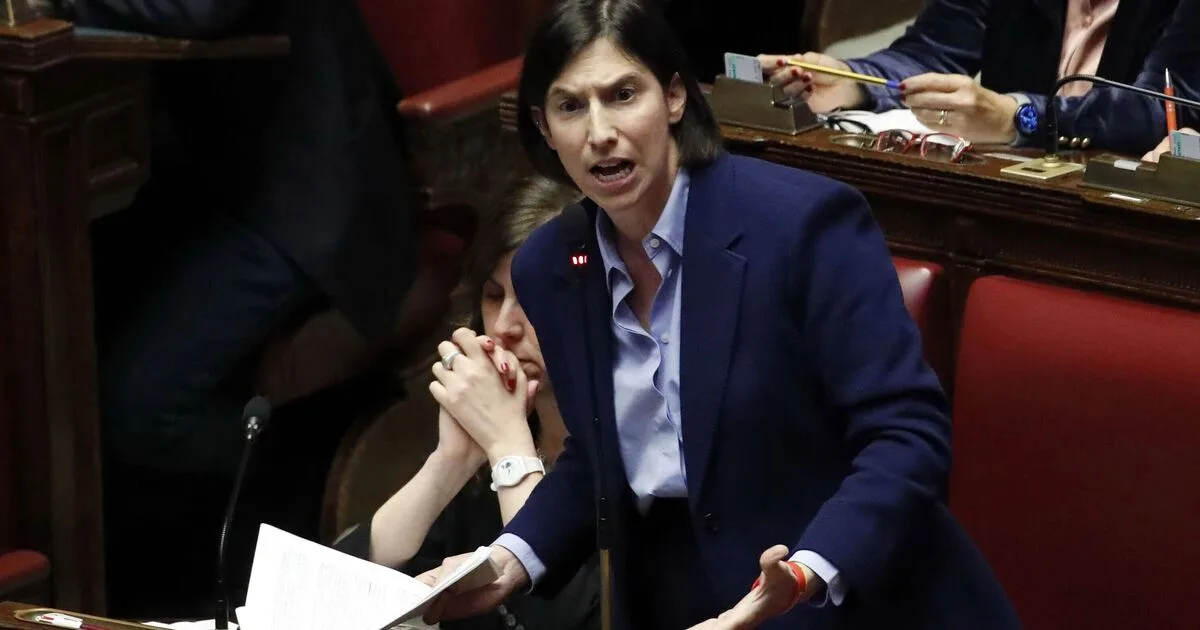
Italian opposition leader Elly Schlein delivered an impassioned defence of Prime Minister Meloni during a parliamentary session that erupted in applause. "Listen, Trump, even as political opponents, we Italians will not accept any attacks against our country, especially from your bad mouth," Schlein declared emphatically. She continued with a firm statement of national sovereignty: "No foreign head of state can allow himself to attack or threaten or show disrespect to our country and our government."
Schlein specifically praised Meloni for "having dutifully expressed solidarity with Pope Leo" following Trump's criticism of the pontiff, creating an unusual moment of cross-party unity in Italy's typically divided political landscape.
Trump's Provocative Comments to Italian Media
The diplomatic crisis began when Trump gave an interview to Italian newspaper Corriere della Sera, where he expressed shock at Meloni's position on Iran. "I'm shocked at her. I thought she had courage, but I was wrong," Trump stated pointedly. He elaborated further: "Giorgia Meloni doesn't want to help us in the war. I'm shocked. Do people like the fact that your president isn't doing anything to get the oil [in Iran]? Does she like it? I can't imagine."
These remarks came amid escalating tensions between the United States and Italy following multiple diplomatic incidents, including Trump's controversial strike against Pope Leo and his subsequent criticism of the pontiff's leadership.
Italy's Foreign Policy Shifts and Regional Tensions
The diplomatic rift has emerged against a backdrop of significant foreign policy developments. Italy recently confirmed it would not be renewing its defence agreement with Israel, with the Meloni government choosing to suspend the five-year renewal due to "the current situation." This decision followed a serious incident where Israeli forces fired warning shots at a convoy of Italian UN peacekeepers in Lebanon, damaging one vehicle though causing no injuries.
Further complicating matters, Israel summoned Italy's ambassador on Monday in protest at remarks made by Italian Foreign Minister Antonio Tajani, who condemned Israel's "unacceptable attacks" in Lebanon. This represents a notable shift for Meloni's right-wing coalition government, which has traditionally been among Israel's closest European allies.
Meloni's Firm Response and Diplomatic Balancing Act
Prime Minister Meloni responded forcefully to Trump's criticism, particularly his comments about Pope Leo XIV. "I find President Trump's words about the Holy Father unacceptable," she stated unequivocally. Meloni elaborated on her position regarding religious leadership: "The Pope is the head of the Catholic Church, and it is right and normal for him to call for peace and condemn all forms of war."
Trump countered sharply, claiming: "She is the one who is unacceptable, because she doesn't care if Iran has a nuclear weapon and would blow up Italy in two minutes if it had the chance." Despite this heated exchange, Meloni maintained a nuanced diplomatic position, referring to Washington as a "priority ally" while asserting her independence: "When you are friends, particularly strategic allies, you must also have the courage to say when you disagree."
Broader Implications for International Relations
This diplomatic confrontation highlights growing fractures in the relationship between Italy and the United States, particularly concerning Middle Eastern policy and attitudes toward religious leadership. The unusual unity between Italy's governing and opposition parties in defending national sovereignty against foreign criticism demonstrates how external pressure can temporarily bridge domestic political divides.
The situation continues to evolve as Italy navigates complex relationships with multiple international partners while maintaining its sovereign decision-making authority. The strong language from both sides suggests this diplomatic rift may have lasting implications for transatlantic relations and Italy's position within international alliances.






