Proliferation experts have warned that the US-Israeli onslaught against Iran, intended to resolve a 24-year standoff over Tehran’s nuclear programme, risks backfiring and driving the regime towards making a secret bomb. The regime has long insisted its programme is for civilian purposes, but intense suspicion has surrounded it since two undeclared sites were discovered in 2002.
A 2015 nuclear deal imposed severe limits and thorough inspections, but when Donald Trump walked out in 2018, Iran ramped up enrichment. By last summer, Iran had produced a stockpile of over 440kg of highly enriched uranium (HEU) at 60% purity, which could be further enriched to weapons-grade 90% to make more than ten warheads.
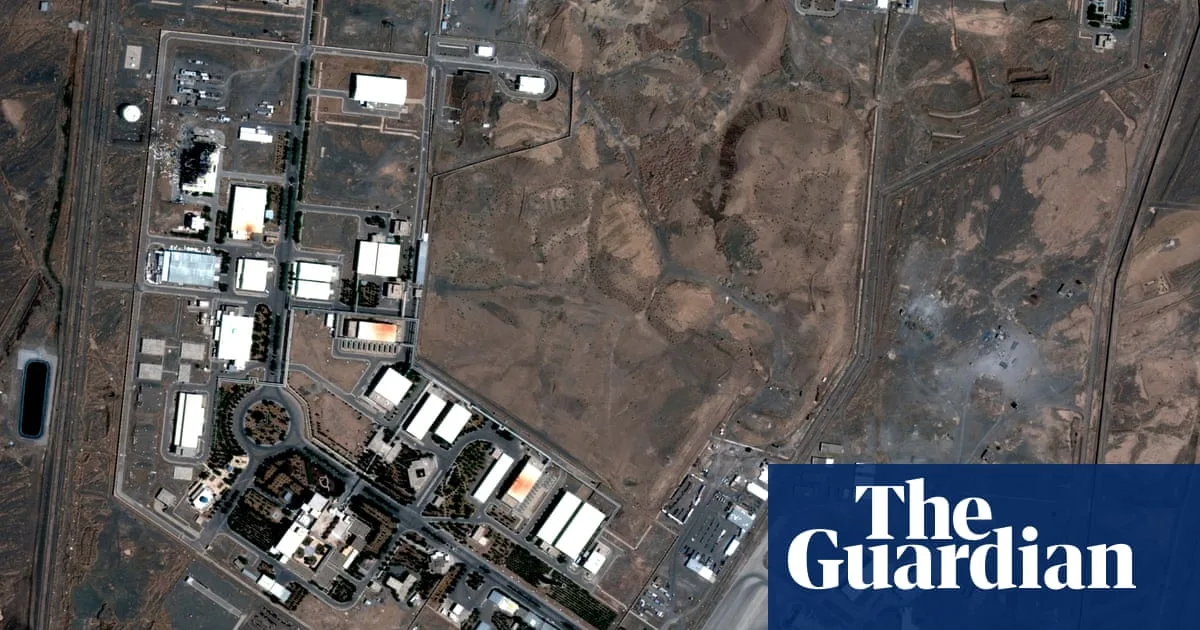
The US-Israeli strikes in June, including Operation Midnight Hammer, aimed to destroy nuclear sites but failed to obliterate deep underground facilities at Isfahan and Natanz. In response, Iran excluded UN inspectors, leaving the International Atomic Energy Agency (IAEA) unable to verify the status of the HEU stockpile or activities at those sites.
IAEA director general Rafael Grossi said on Monday that “we don’t see a structured programme to manufacture nuclear weapons”. However, experts fear that could change after an attack that killed supreme leader Ali Khamenei, who had issued a fatwa against building a bomb.
Jeffrey Lewis of the Middlebury Institute said: “That is what makes this such a tremendous roll of the dice. Because if the strike does not succeed in removing a regime, there remain thousands of people in Iran who are capable of reconstituting a programme like this.” Kelsey Davenport of the Arms Control Association warned of a “real nuclear terrorism risk” if regime collapse leads to material being stolen.