
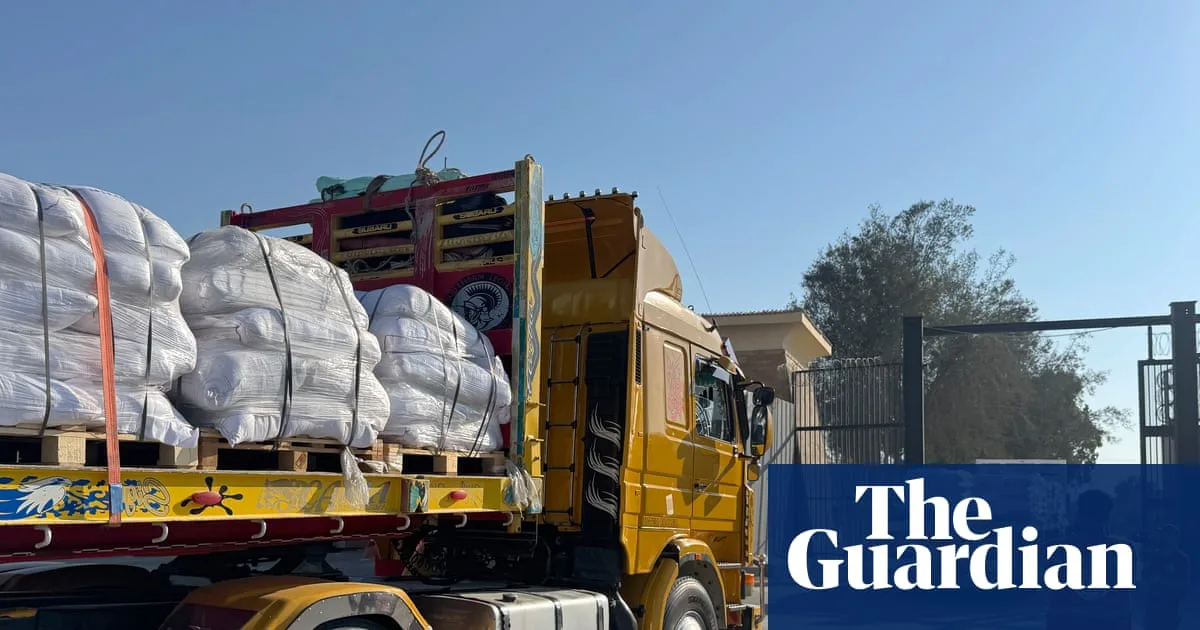
Israel has begun a daily 10-hour 'tactical pause' in fighting in three populated areas of Gaza to allow what Prime Minister Benjamin Netanyahu described as a 'minimal' amount of aid into the territory. The move, announced by the Israeli military, applies to Gaza City, Deir al-Balah and Muwasi, and is intended to increase the flow of humanitarian supplies. However, Palestinians have reacted with wariness, citing ongoing airstrikes and severe shortages.
The humanitarian pause comes amid a deepening crisis, with the World Food Programme (WFP) reporting that 90,000 women and children urgently need treatment for malnutrition and that one in three people go without food for days. Scores of Palestinians have died from starvation, a situation humanitarian organisations attribute to Israel's near-total blockade. Shortly after the pause began, an Israeli airstrike on a building in Gaza City killed a woman and her four children, undermining trust in the initiative.
Israel said the measures are designed to improve the humanitarian situation and 'refute the false claim of deliberate starvation', releasing footage of an overnight aid airdrop. It also announced plans to establish humanitarian corridors for the UN to deliver food and medicine, and to power a desalination plant. However, residents reported little immediate change. Eyad al-Banna, a maths teacher and father of seven, said: 'Opening the humanitarian crossings … will not change anything on the ground, even if it continues for a week or two, because the humanitarian crisis and famine in Gaza have exceeded all expectations.' A doctor at al-Nasser hospital said no medical supplies had arrived.
The WFP welcomed the new measures, stating it has enough food in the region to feed the entire population of 2.1 million for almost three months, but stressed that a ceasefire is needed to ensure distribution. UN aid chief Tom Fletcher noted that more than 100 truckloads of aid were collected from crossings on Sunday, calling it 'progress' but warning that vast amounts are needed to stave off famine. Meanwhile, some residents criticised the aid airdrops as 'insulting', after the Palestinian health ministry recorded 10 injuries from falling aid boxes.
Netanyahu sought to downplay the significance of the pause, stating: 'Whichever path we choose, we will have to continue to allow the entry of minimal humanitarian supplies.' He faces pressure from rightwing members of his coalition who advocate a harsher approach. The US has pulled out of ceasefire negotiations, with President Donald Trump saying Israel must decide its next steps.




