The ongoing US-Israeli war on Iran has thrust Iraq into a precarious position, exposing profound internal rifts that cut across political, military, and societal lines. As a nation still bearing the scars of past American interventions, Iraq finds itself torn between factions loyal to Tehran and those hoping to diminish Iran's longstanding influence over its affairs.
A Nation Divided by External Conflict
This conflict has deepened existing fault lines within Iraq, particularly amid a power vacuum following the caretaker leadership of Mohammed Shia al-Sudani. The war's escalation, marked by the killing of Iran's supreme leader Ali Khamenei, has prompted Iran-backed groups like the Islamic Resistance in Iraq to vow a protracted war of attrition against US forces, aiming to eradicate American presence from the region.
Escalating Violence and Economic Fallout
In response, drone and missile attacks claimed by these groups have targeted US bases, airports, and oil facilities, forcing suspensions in major oilfields and threatening Iraq's economy, which relies on oil for over 90% of its budget. Unclaimed airstrikes, widely attributed to US and Israeli forces, have hit pro-Iran factions' strongholds, killing commanders and fighters, while incidents like the abduction of a US reporter and attacks on the US embassy in Baghdad's green zone signal Iraq's deepening entanglement.

The Government's Delicate Balancing Act
Iraqi leaders have attempted an "Iraq first" policy, denouncing Khamenei's killing while resisting Tehran's efforts to drag the country into war. They have called on security forces to protect diplomatic missions and oilfields, even dismissing some military and intelligence officers. However, this balancing act is complicated by pro-Iran groups' integration into the Popular Mobilisation Units (PMU), which operate with autonomy despite being part of the official army, creating contradictions that undermine state sovereignty.
Weaknesses and Absurdities in the Crisis
This situation highlights the Iraqi state's fragility, with jokes circulating that Iraq is being bombed by everyone—Israel, the US, Iran, and even Iraqis themselves. While Washington and Baghdad claim intensified cooperation to prevent attacks, the US has criticized Iraq for failing to curb "terrorist attacks" from its territory, blaming Iran-aligned militias. The Pentagon's denial of targeting Iraqi security forces adds to the confusion, as financial disasters loom due to lost oil revenue and potential US sanctions.
Political Maneuvering and Historical Context
US pressure has forced some pro-Iran Shia alliance members in Iraq's parliament to distance themselves from militant factions, fearing economic repercussions. This led to the withdrawal of Nouri al-Maliki's nomination for prime minister, following direct US intervention. Many resistance fighters emerged from the post-US occupation era, where Iran cultivated influence through political alliances and military training, forming part of the "axis of resistance" that includes groups across the region.
Impact of Regional Shifts
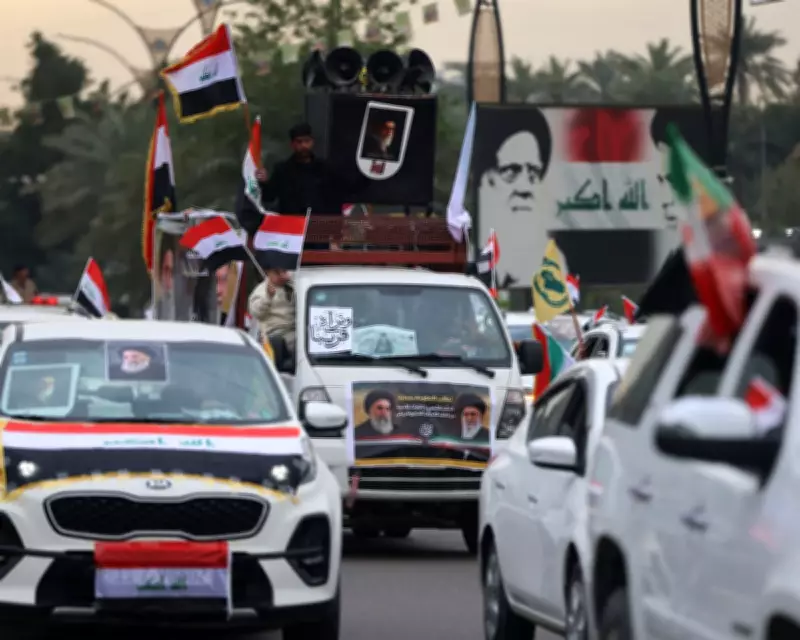
The killing of Hezbollah leader Hassan Nasrallah has particularly affected Iraqi factions, lacking the political vision Hezbollah provided. Recent events have sparked spontaneous demonstrations in southern Iraq, echoing past traumas from decades of US airstrikes since the 1991 Gulf War. For Iraqis, images of destruction from Iran evoke familiar scenes of anxiety and loss, underscoring the cyclical nature of conflict in the region.
As Iraq navigates these turbulent waters, its leaders' balancing act remains fraught with challenges, exposing deep-seated divisions that threaten both stability and economic survival.