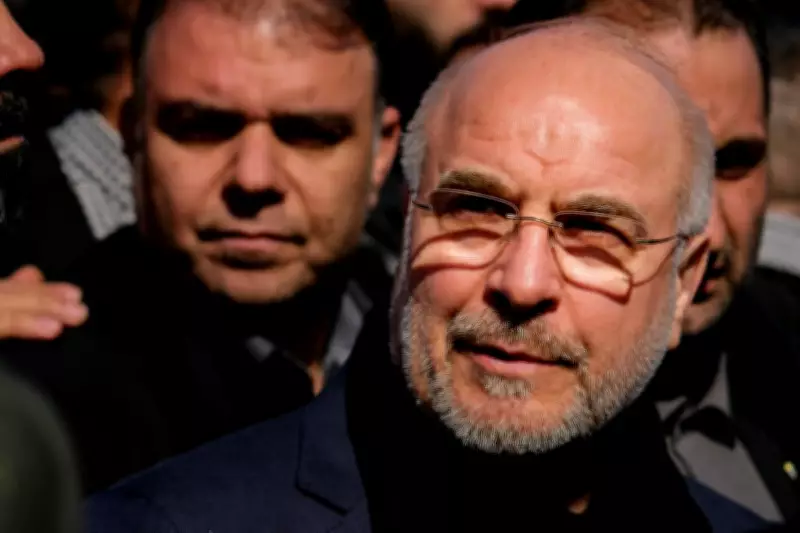
Iran has issued a stark warning to the United States, declaring it holds "new cards on the battlefield" and will not engage in negotiations under threat. This statement from Iranian parliamentary speaker Mohammad-Bagher Ghalibaf comes amid heightened tensions in the Persian Gulf region.
US Naval Blockade and Cargo Ship Seizure
The United States has reinforced its naval blockade of the strategic Strait of Hormuz, a critical chokepoint for global oil shipments. Former President Donald Trump affirmed that this blockade will persist until Iran agrees to a comprehensive peace deal. He cautioned that failure to reach an agreement could lead to unprecedented problems for the region.
In a significant escalation, US forces intercepted and seized the Iranian-flagged cargo vessel Touska for attempting to breach the blockade. Iran has condemned this action as illegal and is demanding the immediate release of the ship's crew, labeling the seizure a provocative act.

International Reactions and Diplomatic Efforts
Chinese President Xi Jinping has weighed in on the crisis, urging for the Strait of Hormuz to remain open to international shipping. He emphasized the importance of utilizing political and diplomatic channels to resolve conflicts in the Middle East, rather than military measures.
Meanwhile, Iran is reportedly reconsidering its participation in a second round of peace talks scheduled to be held in Islamabad. International mediators are encouraging Tehran to attend the discussions, despite facing internal political pressure to adopt a harder line against the United States.
The situation remains volatile, with both sides digging in their heels. Iran's warning of new battlefield strategies suggests potential military or asymmetric responses, while the US shows no signs of lifting its blockade without concessions. The international community watches closely, concerned about the broader implications for global trade and regional stability.