Iran Seizes Vessels in Strait of Hormuz Amid Escalating Regional Tensions
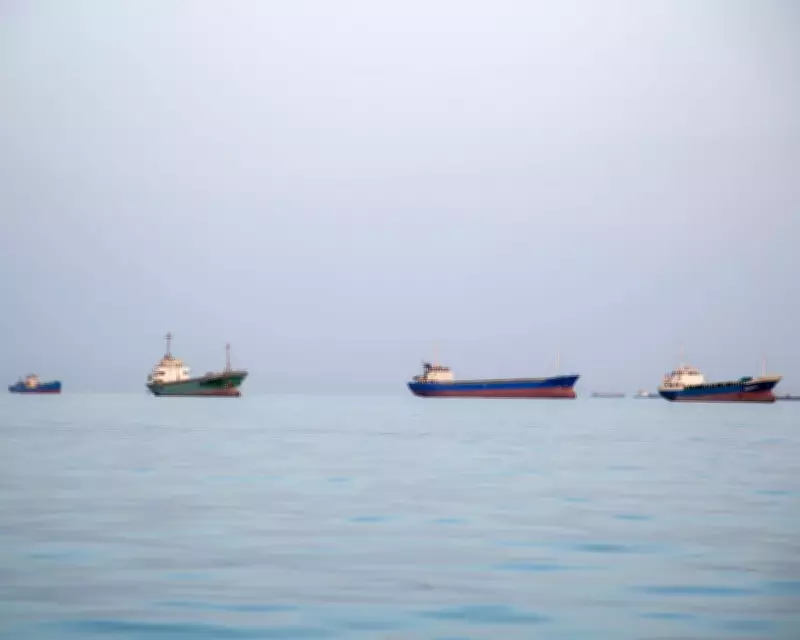
In a significant escalation of maritime tensions, Iran's Revolutionary Guards seized two vessels in the Strait of Hormuz on Wednesday, citing alleged maritime violations. According to shipping companies and Iran's semi-official Tasnim news agency, the ships were escorted to Iranian shores. This move marks the first time Iran has seized vessels since the conflict began in late February, raising concerns about the stability of this critical global oil chokepoint.
US Extends Ceasefire but Maintains Naval Blockade
Donald Trump announced earlier that the United States would extend its ceasefire with Iran, pending a "unified proposal" from Tehran's leaders regarding US negotiating positions. The White House press secretary, Karoline Leavitt, stated that Trump was "satisfied" with the ongoing US naval blockade and "understands Iran is in a very weak position." She clarified that no deadline had been set for Iran to submit a peace proposal, though Trump had previously threatened to renew bombing if progress stalled.
Iranian officials, however, rejected any agreement to extend the truce and criticized the US decision to maintain the naval blockade of Iranian ports. Lead Iranian negotiator Mohammad Bagher Ghalibaf emphasized that a full ceasefire would only be viable if the blockade was lifted. The status of a two-week ceasefire, which was due to expire earlier this week, remains unclear, with no signs of peace talks restarting.

Oil Prices Surge and Diplomatic Fallout
Oil prices jumped sharply on Thursday, with the benchmark US oil contract West Texas Intermediate (WTI) rising 4.06% to $96.73 a barrel and Brent North Sea crude climbing 3.62% to $105.63. This surge followed Iran's vow not to reopen the Strait of Hormuz amid the US naval blockade, despite the ceasefire extension. Prices eased back slightly minutes after the initial spike, reflecting market volatility.
In a diplomatic development, Turkish President Recep Tayyip Erdoğan warned his German counterpart that the US-Israeli war against Iran is "starting to weaken Europe." He urged a peace-focused approach, stating, "If we do not address this situation with an approach that prioritises peace, the damage caused by the conflict will be far greater."
Regional Violence and Casualties Mount
Israeli strikes in southern Lebanon resulted in the death of Lebanese journalist Amal Khalil, aged 43, and injuries to a photographer accompanying her. A senior Lebanese military official and Khalil's employer confirmed the incident, which brought Wednesday's death toll to five people, making it the deadliest day since a 10-day truce between Israel and Hezbollah was announced on April 16. The Israeli military has not provided immediate comment on Khalil's death.
Lebanese Prime Minister Nawaf Salam condemned the targeting of journalists and obstruction of relief efforts as war crimes. Meanwhile, in the occupied West Bank, two Palestinians, including a 14-year-old schoolboy, were killed after Israeli settlers opened fire near a school. Witnesses and local officials reported mounting assaults on education in the territory, highlighting the broader humanitarian crisis.
US Navy Leadership Change Amid Crisis
The Pentagon announced that US Secretary of the Navy John Phelan would depart his office "effective immediately," without offering an explanation for his sudden exit. This leadership change occurs amid the ongoing naval blockade and heightened military tensions in the region, adding another layer of uncertainty to US strategic operations.