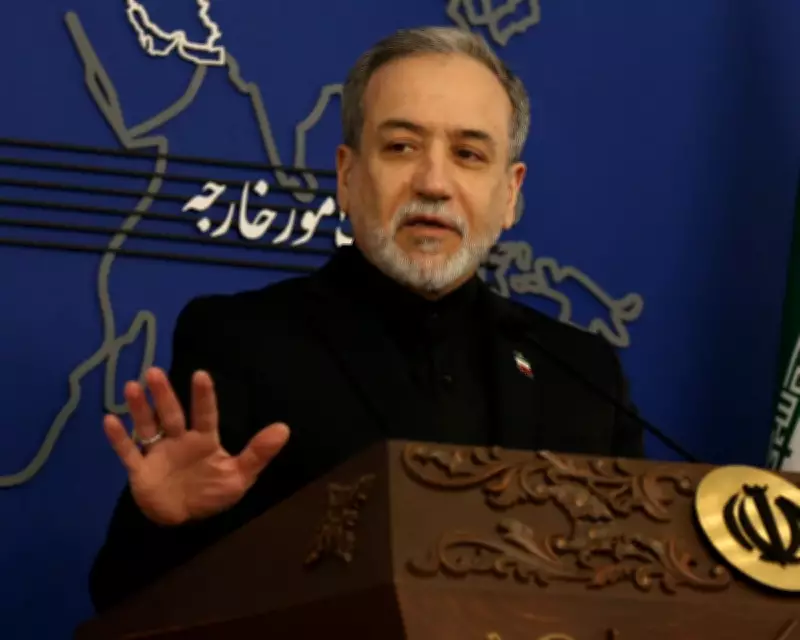
Iran Seeks European Alliance to Counter US Pressure Amid Regional Tensions
In a strategic diplomatic manoeuvre, Iran's foreign minister, Abbas Araghchi, has engaged in a series of phone briefings with his counterparts from France, Germany, and key Gulf neighbours. This initiative aims to capitalise on deepening transatlantic divisions and increase pressure on the United States to make concessions in its ongoing conflict with Tehran.
Exploiting Transatlantic Rifts for Leverage
Following inconclusive talks in Islamabad, Araghchi communicated with French Foreign Minister Jean-Noël Barrot, German Foreign Minister Johann Wadephul, as well as the foreign ministers of Saudi Arabia, Oman, and Qatar. He emphasised that Iran does not consider the Pakistan-led negotiation process exhausted, despite 21 hours of intensive discussions.
Europe has been largely sidelined by former US President Donald Trump for over a year, as Washington focused on collaboration with Israel, while Tehran previously dismissed European governments as aligned with American interests. However, the widening split between the US and Europe, coupled with economic pressures on European economies, has prompted Iran to reassess Europe as a potential lever to influence Trump's administration.

Naval Initiatives and Toll Proposals in the Strait of Hormuz
European countries, in response to Trump's demands for military support, have concentrated on forming a defensive naval alliance to ensure freedom of navigation in the Strait of Hormuz post-conflict. This plan involves delicate negotiations on rules of engagement, likely drawing from EU experiences in the Red Sea during Operation Aspides.
French President Emmanuel Macron announced a further joint conference with the UK to discuss the proposal with allies, marking the third such meeting since its inception. Any agreement will necessitate discussions with Tehran, including its proposal to impose tolls on commercial traffic through the strait.
A bill before the Iranian parliament suggests applying new tolls to all commercial vessels, not just oil tankers, with potential payments in cryptocurrency to evade US sanctions. The Strait of Hormuz is critical, accounting for 11% of global maritime trade and a third of seaborne oil.
Iran's Nuclear Program and Regional Obligations
On Iran's nuclear program, senior officials highlighted Tehran's willingness to demonstrate good faith by diluting 450kg of highly enriched uranium, rather than handing it over to a third party. Ali Nikzad, deputy speaker of Iran's parliament, noted that a consortium involving Iran, the US, and Saudi Arabia was proposed but collapsed.
European diplomats express uncertainty about persuading Iran to make concessions, such as a long-term pause in domestic enrichment, without guarantees of permanent US sanctions relief. Some suggest offering the strait as a legitimate income source or compensation if the US reneges on sanctions.
Iran also feels a strong obligation to protect Hezbollah from Israeli assaults, with EU Commission President Ursula von der Leyen stressing the importance of including the Lebanon conflict in ceasefire talks, citing a €22bn cost in raised energy bills.
Expert Insights and Future Prospects
Trita Parsi of the Quincy Institute observed that Iran aims to move European states away from subservience to the US or exploit divisions within Europe. In the short term, Iran urges countries like Germany, the UK, and Italy to resist US pressure to clear mines from the strait, viewing such actions as support for Trump's blockade of Iranian ports.
Nitya Labh from Chatham House argued that any agreement over the strait must involve Iran, requiring structured sanctions relief and joint verification for transit. She emphasised that a future deal should define nuclear constraints and the political-economic relationship Iran would gain, ensuring domestic support on all sides.
Sophia Besch of the Carnegie Endowment for International Peace noted a growing European assertiveness towards Trump, warning that following US military adventurism could undermine public support for defence spending. This diplomatic push reflects Iran's broader strategy to navigate international pressures while safeguarding its regional interests.