
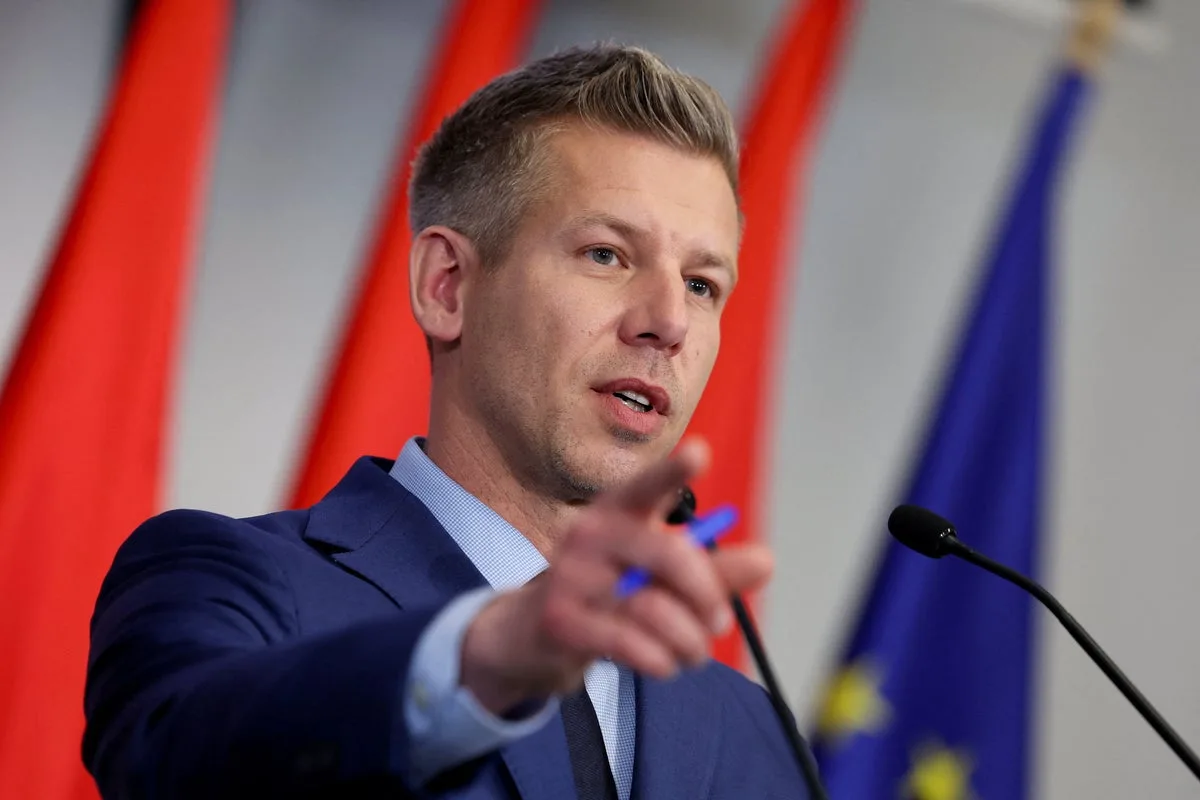
Hungarian Prime Minister Peter Magyar has warned that Israeli Prime Minister Benjamin Netanyahu would be arrested if he entered Hungary, citing an International Criminal Court (ICC) warrant. Magyar, who recently won a landslide election to end Viktor Orban's 16-year rule, said he would halt Hungary's planned withdrawal from the ICC, reversing a decision by the previous government.
Speaking at a news briefing, Magyar stated: “I believe that if the country is a member of the International Criminal Court, and a person who is wanted by the court enters our territory, then that person must be taken into custody.” The ICC issued an arrest warrant for Netanyahu in November 2024 over alleged war crimes in Gaza.
Magyar's stance contradicts claims by Israel that he had invited Netanyahu to attend a ceremony marking the 70th anniversary of the Hungarian uprising. The new prime minister is seeking to overturn Orban's decision to withdraw from the ICC, which was due to take effect on 2 June and would have made Hungary the only EU country not recognising the court's jurisdiction.
“I made this clear to the Israeli prime minister as well,” Magyar told reporters. “It is the Tisza government’s firm intention to stop this and ensure that Hungary remains a member of the ICC.”
Other EU nations have taken different approaches. France argued that arresting Netanyahu would breach agreements with Israel, while Germany's former chancellor Olaf Scholz said in April 2025 he could not imagine carrying out the arrest. Italy also announced it would not enforce warrants against Netanyahu or former defence minister Yoav Gallant, citing immunity under the Vienna Convention.




