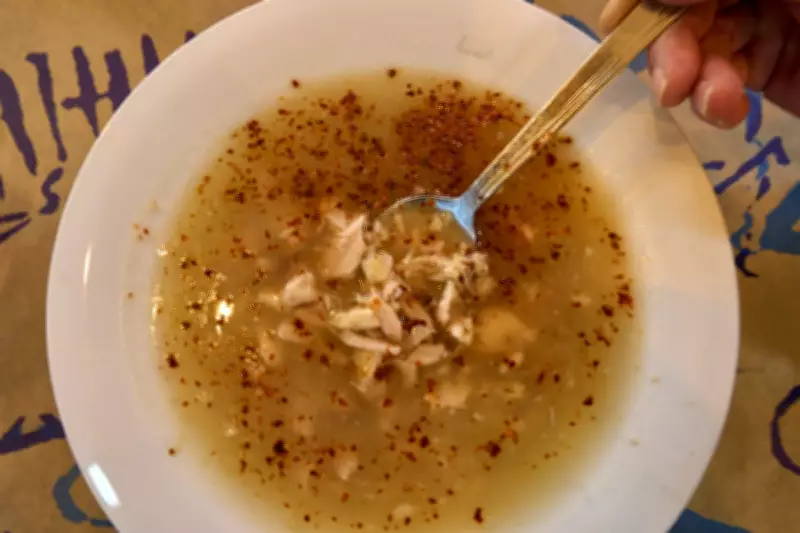
Greece and Turkey Clash Over UNESCO Bid for Ancient Tripe Soup Recipe
A Greek restaurateur's ambitious plan to secure UNESCO recognition for a traditional tripe soup has ignited a fresh culinary dispute with neighbouring Turkey, adding another chapter to the long-standing rivalry over shared gastronomic heritage.
The Homeric Heritage Claim
Dimitris Tsarouhas, owner of a specialist patsa restaurant in Thessaloniki, is spearheading a campaign to register the bovine belly and leg broth as a unique Greek cultural tradition with UNESCO. He asserts the recipe dates back to Homer's The Odyssey, specifically referencing a feast prepared by Penelope for suitors upon Odysseus' return.
"If this isn't patsa, then what else could it be?" Tsarouhas questions, describing the Homeric passage that mentions bovine bellies filled with suet and blood. With support from local cultural organisations and author Lena Oflidis, he has compiled extensive documentation to substantiate Greece's historical claim to the dish.

Turkish Counterclaims and Cultural Pride
Across the Aegean, Turkish restaurateurs and media outlets have reacted strongly to the Greek UNESCO bid, insisting the soup—known locally as iskembe—is an integral part of Turkish culinary heritage. Ali Turkmen, a 59-year-old Istanbul restaurant owner, argues the dish is "historically and culturally specific to Turks," echoing previous disputes over baklava and stuffed grape leaves.
Turkish media has accused Greece of cultural appropriation, citing 17th-century travel accounts that describe tripe soup vendors in Istanbul as evidence of a 400-year Turkish tradition. "Tripe is something specific to Turks," Turkmen maintains, reflecting widespread sentiment that Greece is attempting to claim another shared culinary invention.
The Soup's Preparation and Purported Benefits
Both Greek patsa and Turkish iskembe share similar preparation methods and reputed medicinal properties. In Thessaloniki, chef Pantazis Koukoumvris describes a "ritualistic" process beginning before dawn, where bovine legs and bellies stew for hours to create a rich, collagen-packed broth.
Tsarouhas cites medical experts who attribute healing properties to the soup's high collagen content (33.4% in bovine legs), claiming it aids joint recovery, cures ulcers, and alleviates stomach ailments caused by alcohol consumption—making it particularly popular as a late-night or early-morning restorative.
Customer Perspectives and National Sentiment
Regular patrons at both Greek and Turkish establishments express strong national attachments to their respective versions. In Istanbul, Alem Iskembe customer Murat Pajik insists "measures need to be taken" to prevent Greek appropriation, while Engin Cakar calls Greece's efforts "in vain."
Conversely, Greek patron Christos Mousoulis acknowledges potential similarities in taste but emphasises growing up with Greek patsa as a household tradition. "We don't have anything to divide with our neighbors—rather the taste unites us," Tsarouhas offers diplomatically, though this sentiment appears contested across the border.
Historical Context and Ongoing Rivalry
This latest dispute continues centuries of Greco-Turkish culinary competition rooted in shared Ottoman history. From coffee to baklava, both nations have repeatedly clashed over ownership of dishes that evolved during centuries of cultural exchange and coexistence.
As UNESCO deliberation looms, the patsa/iskembe controversy highlights how food serves as both cultural connector and nationalist battleground, with each side marshalling historical references, traditional practices, and popular sentiment to support their claims to this ancient, stomach-soothing broth.