
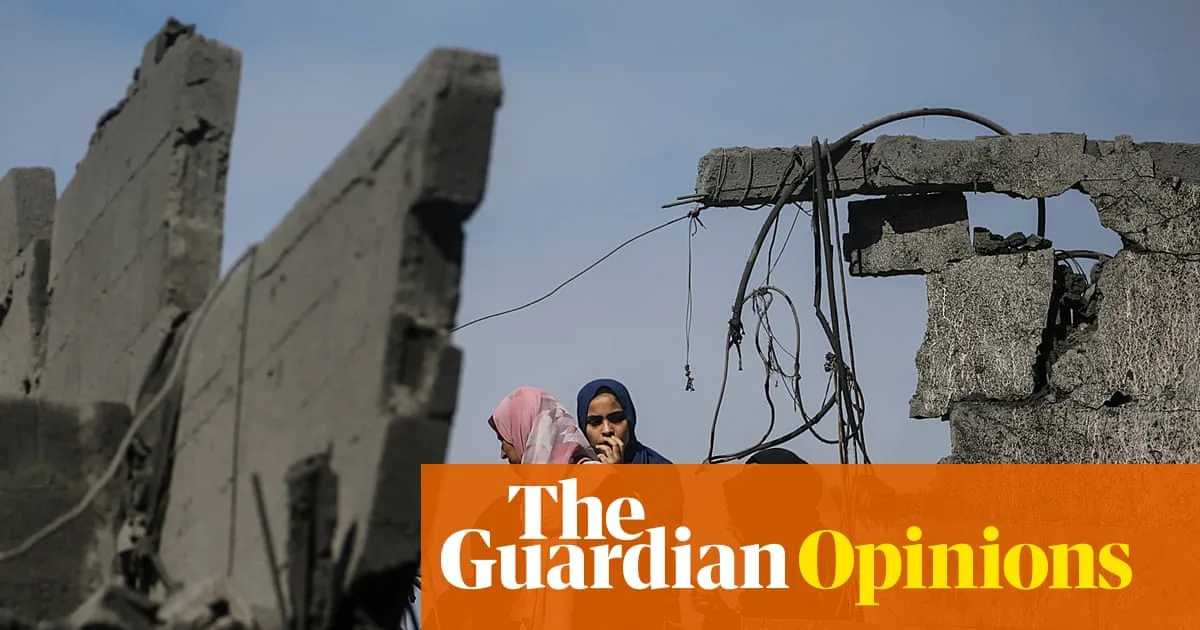
Israel's recent airstrikes in Gaza, which have killed more than 100 people, have exposed the fragility of the ceasefire that came into effect on 10 October. The truce, brokered as part of Donald Trump's 20-point plan to end the war, has been repeatedly violated, leading analysts to describe it as a ceasefire in name only.
According to Israel, the latest round of violence was triggered by Hamas fire against Israeli forces in Rafah, resulting in the death of an IDF reservist. Hamas has denied involvement. Israel responded with additional strikes on Gaza City and Khan Younis. With each side interpreting violations to suit its own interests, the ceasefire's vague structure leaves wide room for miscalculation and opportunism.
The Trump plan, while celebrated for securing partial Israeli withdrawals and hostage-prisoner exchanges, remains largely undeveloped. It offers no clear timeline, verification process or credible means of enforcement. Few details of the second phase — which should include a complete Israeli withdrawal, a technocratic administration in Gaza and an international stabilisation mission — have been agreed. Without sequencing or third-party oversight, the plan risks entrenching instability.
Israel has refused to move to the next stage until Hamas returns remains of deceased hostages, a condition Hamas has struggled to meet. The humanitarian situation in Gaza continues to deteriorate, with acute shortages of food, water and medicine, and aid convoys subject to political bargaining. Violence has also spread across the West Bank, where clashes between Israeli forces, settlers and Palestinians have intensified, drawing attention to the limited scope of the ceasefire.
The US has attempted to sustain the truce through high-level visits from Jared Kushner, Steve Witkoff, JD Vance and Marco Rubio, and by deploying 200 troops to a monitoring centre. However, the centre lacks authority to verify or enforce compliance. Egypt and Qatar continue mediating, but their influence is waning. Without mechanisms to prevent violations or impose consequences, the truce remains vulnerable to collapse from any single provocation.
What exists today is not a meaningful peace plan but a temporary holding pattern through which both sides prepare for the next confrontation. The fundamental flaws in Trump's plan are clear: it treats symptoms rather than root problems. For the ceasefire to evolve into a sustainable framework, independent international reinforcement is needed, not just US pressure and vague contours.




