
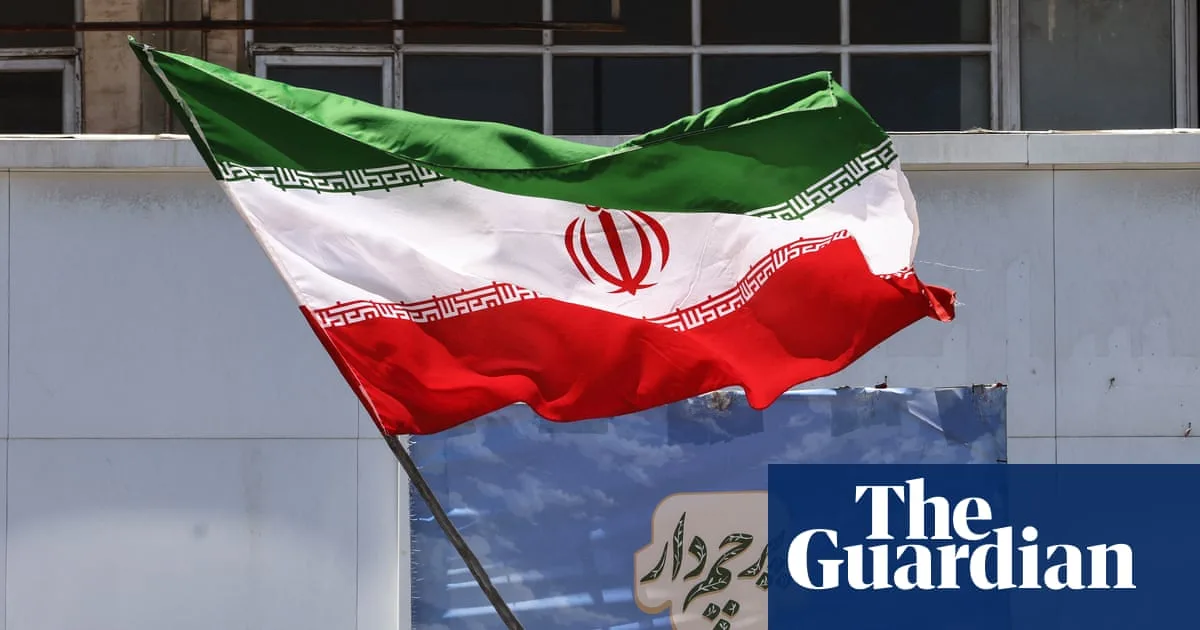
News of a fragile agreement between the US and Iran has been met with relief across the Middle East, tempered by widespread doubt that the deal will resolve the region's deep-rooted problems or prevent a future return to war, analysts say.
The interim deal, due to be signed on Friday, provides for a 60-day cessation of hostilities. During this period, the two sides will address contentious issues such as Iran's enriched uranium stockpile, sanctions, and the release of billions of dollars of frozen Iranian assets, in the hope of reaching a final settlement. However, few analysts believe this is likely within such a short timescale, if at all.
Neil Quilliam, a Middle East expert at Chatham House in London, described the agreement as "just a big Band-Aid", adding that future conflict is likely to return. The deal obliges Washington to lift its naval blockade of Iran and requires Tehran to allow free passage to all shipping in the Strait of Hormuz, which usually carries a fifth of the world's oil and liquid gas supplies but was blocked by Iran early in the war.
In Israel, there is dismay that the deal does not address Iran's ballistic missile arsenal or its funding of the so-called Axis of Resistance, a coalition of militant Islamist movements including Hezbollah, Hamas, the Houthis, and Iraqi militias. Analysts argue this could threaten future stability.
Experts point to Gaza as a cautionary example, where a ceasefire brokered by Donald Trump last year has not prevented further violence. Almost 1,000 Palestinians have been killed since then, Israel has occupied more than 60% of the territory, and there has been little progress towards a lasting peace. Alia Brahimi of the Atlantic Council said the Gaza deal did not address past war crimes, the present need to disarm Hamas, or the future pathway to a viable Palestinian state.




