EU Delegation Arrives in Budapest for Critical Talks with Hungary's Incoming Government
A high-level delegation from the European Union has arrived in Budapest for urgent discussions aimed at resetting the bloc's strained relationship with Hungary. This comes just weeks before Péter Magyar's new government is set to take office, following a landslide election victory that ended Viktor Orbán's 16-year rule.
Orbán Concedes Defeat and Takes Full Responsibility
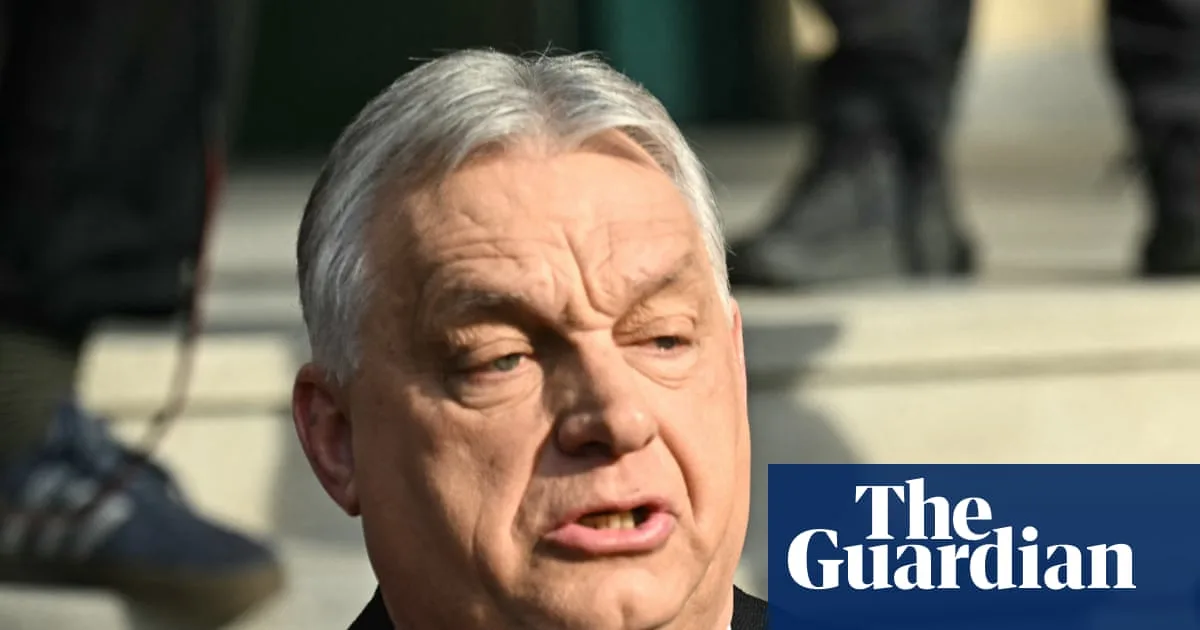
In his first interview since the election, departing Prime Minister Viktor Orbán admitted that a "political era has ended" and described Sunday's vote as an "emotional rollercoaster." Speaking to the pro-government outlet Patrióta, Orbán took complete responsibility for his rightwing populist Fidesz party's defeat.
"Well, as I am the president of the party ... I must take 100% of this responsibility upon myself," Orbán stated. He revealed that Fidesz would vote on new leadership in June and acknowledged the party needed "complete renewal." Despite the loss, Orbán emphasized that Fidesz still commands significant support, having won nearly 2.4 million votes in a country of 9.5 million people.
Time Pressure for EU-Hungary Negotiations
The EU visit represents a critical opportunity to turn the page on Orbán's tumultuous tenure and address several pressing issues. "The clock is ticking for a number of topics," warned EU commission chief spokesperson Paula Pinho, explaining why officials traveled to Budapest before Magyar takes office in early May.
Key agenda items include persuading Hungary to lift its veto on a €90 billion loan to Ukraine and unlocking approximately €17 billion in frozen EU funds for Hungary. The frozen funds include nearly €17 billion from the EU budget, with €10 billion set to expire at the end of August unless Hungary implements required reforms.
Magyar's Supermajority and Reform Agenda
Péter Magyar's Tisza party secured a supermajority in parliament, granting it the power to amend the constitution and potentially roll back key elements of Orbán's "illiberal democracy." Since the election, Magyar has reinforced his message of "regime change" through several decisive actions:
- Calling for the resignation of Hungary's two highest courts, audit office, competition and media authorities
- Demanding the removal of the chief prosecutor and Hungary's president, describing them as "puppets" of the former regime
- Vowing to suspend state-run news coverage, accusing them of spreading propaganda
- Pledging not to use Orbán's office in the Castle Quarter but instead work from a ministry building near parliament
- Reiterating campaign promises to impose term limits on prime ministers
Institutional Challenges and Political Will
According to Péter Krekó, director of the Budapest-based Political Capital thinktank, Magyar's government faces significant challenges navigating between campaign promises, EU demands, and institutional constraints created by Fidesz's 16 years in power. "Tisza has to cut this Gordian knot somehow, which will not necessarily be very easy," Krekó noted.
However, there appears to be strong political will on both sides to find solutions. The EU funds are desperately needed for Magyar to deliver on campaign promises, while the EU recognizes that failure could mean returning to the "obstructive and destructive" relationship it had with Orbán.
Orbán's Legacy and Future Role
Orbán's defeat marks the end of a political career characterized by systematic efforts to consolidate power since 2010. His government rewrote election laws, placed loyalists in control of approximately 80% of Hungary's media, and restructured the judiciary to favor his administration.
Despite his admission of responsibility, Orbán suggested he might remain active in politics, stating: "If they say that I need to take the team out into the field, then I will take them to the next match." He also revealed he would not attend his final EU summit next week, avoiding a potential showdown over Hungary's continued veto of Ukraine aid.
The coming weeks will determine whether Hungary's political transition can successfully navigate these complex challenges while addressing both domestic expectations and international obligations.






