Cuban President Confirms US Talks Amid Blockade and Economic Crisis
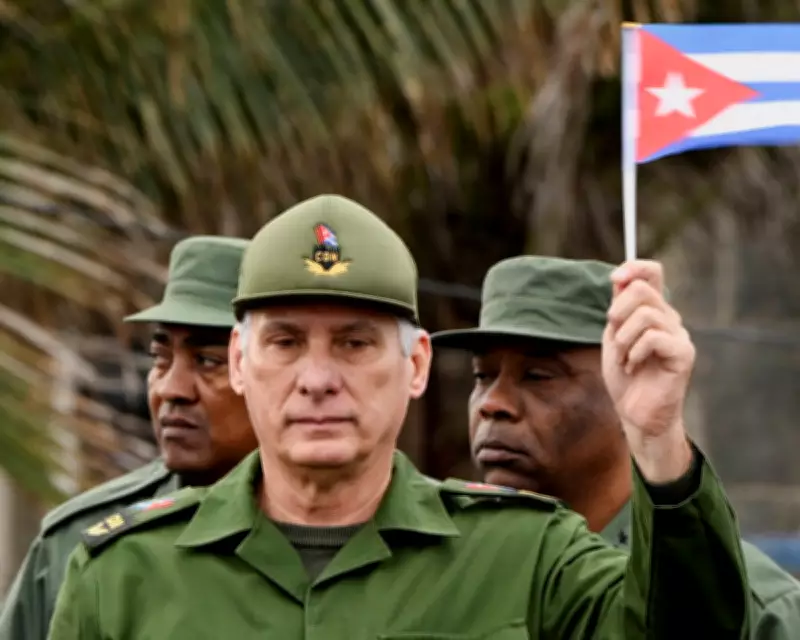
Cuban President Miguel Díaz-Canel has publicly confirmed that Cuban officials have engaged in talks with representatives of the US government. These discussions aim to find solutions to the longstanding bilateral differences between the two nations, particularly concerning the US economic blockade on Cuba. Díaz-Canel made this announcement in a video broadcast on national television, which aired shortly before a rare media address.
Dialogue Amid Severe Economic Strain
In the video, Díaz-Canel emphasised that the negotiations were conducted on the basis of equality and respect for the political systems and sovereignty of both states. This confirmation comes at a critical time, as Cuba grapples with a severe economic crisis, frequent power blackouts, and acute fuel shortages. The president highlighted that no petroleum shipments have reached the island in the past three months, attributing this directly to the US energy blockade.
The economic strain has had profound effects on daily life in Cuba. Last week, the western region experienced a massive blackout, leaving millions without electricity. Díaz-Canel noted that while Cuba generates 40% of its own petroleum, this has been insufficient to meet demand. The resulting power shortages have disrupted communications, education, and transportation systems. Additionally, the government has been forced to postpone surgeries for tens of thousands of people, with Díaz-Canel describing the impact as "tremendous."

Background and Political Context
This address follows a previous event on 5 February, where Díaz-Canel warned that Cuba was nearing a situation requiring "extreme measures" due to the economic crisis and the exacerbating effects of the US oil blockade. Until now, the Cuban government had denied any official encounters with US officials, despite media reports suggesting back-channel discussions. Notably, US officials recently held talks with Raúl Guillermo Rodríguez Castro, the grandson of former president Raúl Castro, during the Caricom meeting in St Kitts and Nevis.
Raúl Guillermo Rodríguez Castro, aged 41, does not hold an official government position but remains influential due to his close relationship with his grandfather, who still wields significant power in Cuba's political structure. In the video broadcast, Rodríguez Castro was seated behind Díaz-Canel among other Communist Party officials, underscoring his involvement in these diplomatic efforts.
US Statements and Future Implications
In recent weeks, US President Donald Trump has made several statements regarding Cuba, suggesting the nation is on the verge of collapse or eager to negotiate a deal. Trump has also mentioned the possibility of a "friendly takeover" of Cuba, though he ambiguously added that it might not be friendly. These remarks have added to the tension, as Cuba seeks to address its internal crises while navigating complex international relations.
The confirmation of talks marks a significant development in US-Cuba relations, which have been strained for decades. As Cuba continues to face challenges from the blockade and economic hardships, these dialogues could pave the way for potential resolutions, though the path forward remains uncertain amid ongoing political and economic pressures.