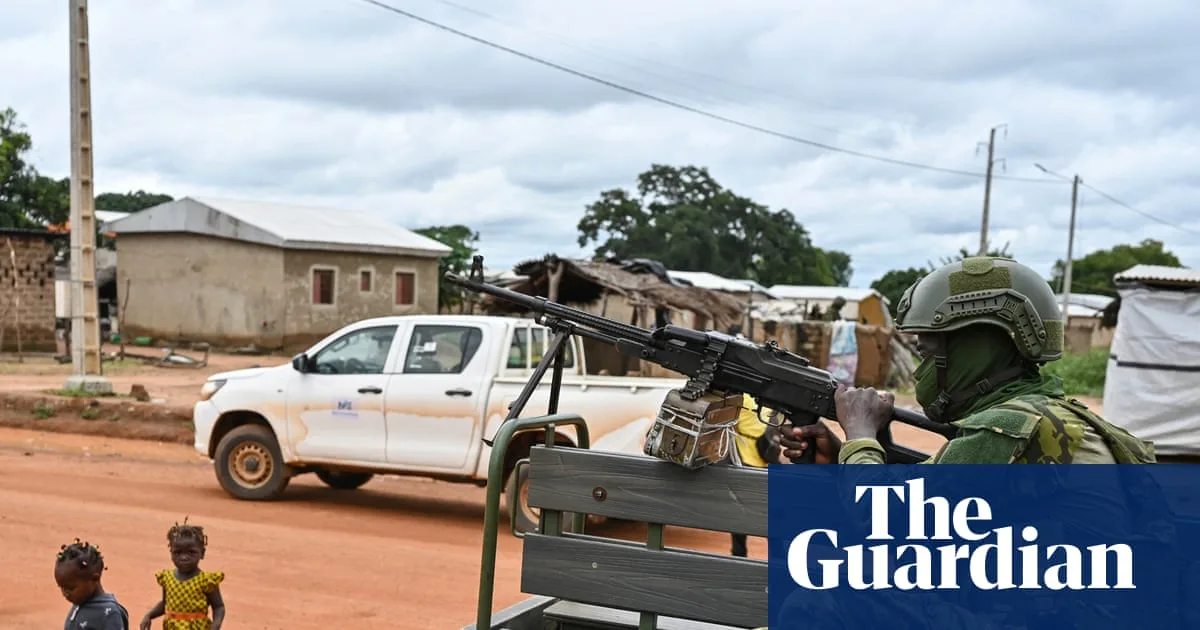
Ten years after the Grand Bassam attack that killed 19 people, Côte d'Ivoire remains vigilant against jihadist threats, particularly along its northern borders with Mali and Burkina Faso. The 2016 assault, claimed by Al-Qaida in the Islamic Maghreb (AQIM), was the first major terrorist incident on Ivorian soil and prompted a significant security overhaul.
Defence Minister Téné Birahima Ouattara stated at a March ceremony marking the anniversary that forces have strengthened operational vigilance to prevent such tragedies. Since the 2020 Kafolo attack, which killed 14 Ivorian soldiers, the number of police and gendarmerie in the north has more than doubled. An EU-backed counter-terrorism academy in Jacqueville trains elite units to counter evolving threats.
Jihadist groups, particularly the Al-Qaida-affiliated JNIM coalition, have become more sophisticated, using armed drones and complex raids. According to Héni Nsaibia of Acled, JNIM's drone strikes increased from fewer than 10 in 2024 to around 80 in 2025. The region is now considered the world's most active zone of Islamist militancy.
In response, the Ivorian government has invested in border villages, building schools, deploying mobile health clinics, and offering vocational loans to young cashew farmers to deter recruitment by militant groups. However, dense forests and porous borders remain concerns. The government did not respond to questions about a speculated US drone base or counterinsurgency collaborations.
In Grand Bassam, the three hotels targeted in the attack remain shuttered. Rose Ebirim, who witnessed the violence, now organises the International Day of Reggae and cleans beaches as therapy. 'After 10 years, I'm starting to sort myself out,' she said.