Nations Bypass International Law for Strait of Hormuz Access
In a significant shift from established international maritime protocols, numerous countries are now engaging in direct negotiations with Iran to secure safe passage for their vessels through the strategically vital Strait of Hormuz. This development comes as former US President Donald Trump issues stark threats to decimate Iran's energy infrastructure unless it reopens this crucial global chokepoint.
A New Geopolitical Reality Emerges
The closure of the strait by Tehran, following coordinated attacks by the United States and Israel on February 28th, has precipitated a dramatic transformation in how access to this critical waterway is governed. Rather than relying on international maritime law, nations are now compelled to engage in direct diplomacy with Iranian authorities to ensure their ships can navigate through what is normally a conduit for approximately one-fifth of the world's oil and gas supplies.
According to data from the maritime tracking platform Kpler, commodity traffic through the Strait of Hormuz plummeted by a staggering 95 percent following the outbreak of conflict. Prior to the hostilities, around 100 vessels transited the strait daily, but recent figures have dwindled to single digits on certain days, highlighting the severe disruption to global energy markets.

Iran's "De Facto Toll Booth" System
Iran has not implemented a complete closure of the waterway. Instead, as described by maritime intelligence firm Lloyd's List, Tehran has established what amounts to a "de facto toll booth regime." This permissions-based system is operated by the Islamic Revolutionary Guard Corps and involves escorting vessels from friendly nations through designated corridors.
Initially, a narrow northern corridor near Larak Island was utilized. However, Windward Maritime Intelligence reports that a second southern corridor near the Omani coastline became operational recently, with eleven transits recorded across both routes on a single Sunday.
The Friendly Nations List
Iranian Foreign Minister Abbas Araghchi has publicly identified several countries deemed friendly enough for passage, including China, Russia, India, Iraq, and Pakistan. This list has subsequently expanded to include additional nations seeking to secure their energy supplies.
India was among the first to obtain safe transit, reportedly without incurring any fees. Indian Foreign Minister S. Jaishankar characterized this arrangement as a product of direct diplomacy, while the Iranian embassy in New Delhi assured that "our Indian friends are in safe hands." Recent weeks have seen Indian-flagged LPG carriers successfully navigate the strait.
Pakistan received an allocation of twenty vessel slots from Tehran. With limited flagged ships in the Gulf, Islamabad approached international commodity traders to temporarily register vessels under the Pakistani flag to utilize this exemption, according to Bloomberg reports.
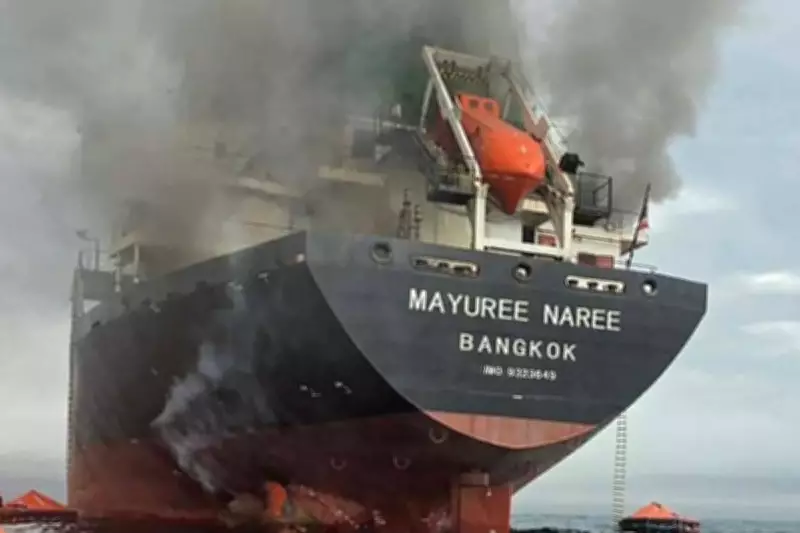
Thailand secured a deal following weeks of disruption, including an incident where a Thai bulk carrier was struck by Iranian projectiles in March. Prime Minister Anutin Charnvirakul announced the agreement on March 25th, after which a Thai tanker crossed without payment.
Malaysia obtained assurances through what Transport Minister Anthony Loke described as a "good diplomatic relationship with the Iranian government." The Iranian embassy confirmed the first Malaysian ship had passed through since the conflict began, stating "Iran does not forget its friends."
The Philippines, despite its close ties with the United States, became the latest Asian nation to secure an agreement following what Foreign Secretary Theresa Lazaro called "a very productive phone conversation" with Tehran. This is particularly significant as Manila was the first country to declare a national energy emergency after fuel prices more than doubled, with the Philippines importing 98 percent of its oil from the Middle East.

China, Iran's largest oil buyer, confirmed that three of its vessels recently transited the strait following coordination with relevant parties. Windward data indicates Chinese-linked vessels account for approximately 10 percent of the limited traffic, with flows from Iran's Kharg Island primarily directed toward Chinese ports.
Indonesia secured passage for two vessels carrying crude oil from Saudi Arabia after diplomatic engagement, while Iraq has been granted an exemption with twenty-one tankers already operating under the arrangement. Japan joined the list this week after a vessel operated by Mitsui OSK Lines carrying liquefied natural gas passed through safely.
Opaque Conditions and Potential Fees
The specific conditions governing these agreements remain deliberately opaque. Neither shipping companies nor the Iranian government have publicly disclosed the terms. An Iranian official told Al Jazeera that Tehran was charging fees as "war compensation," with reports suggesting some payments were settled in Chinese yuan.
Analysts informed The Independent that a passage fee of up to $2 million was paid in at least one instance, though Iran has denied that fees are mandatory. What is evident is that access is selectively allocated based on political alignment rather than open maritime norms. Of approximately 280 global transit requests tracked by one intelligence firm, only seventeen were approved.
As of last week, Bloomberg reported that some 670 commodity vessels remained stranded west of the strait. Greek companies had at least 75 vessels in the area, Chinese firms 74, Japanese companies at least 23 oil and gas vessels, and Indian companies 24.
Potential Permanent Changes
Iran's parliament is reportedly pursuing legislation to formally codify the toll system, according to Fars and Tasnim news agencies. This move could potentially make permanent what began as a wartime improvisation, transforming one of the world's most important shipping routes into a fee-paying corridor controlled by Iran's military, fundamentally altering the geopolitical landscape of global energy transit.