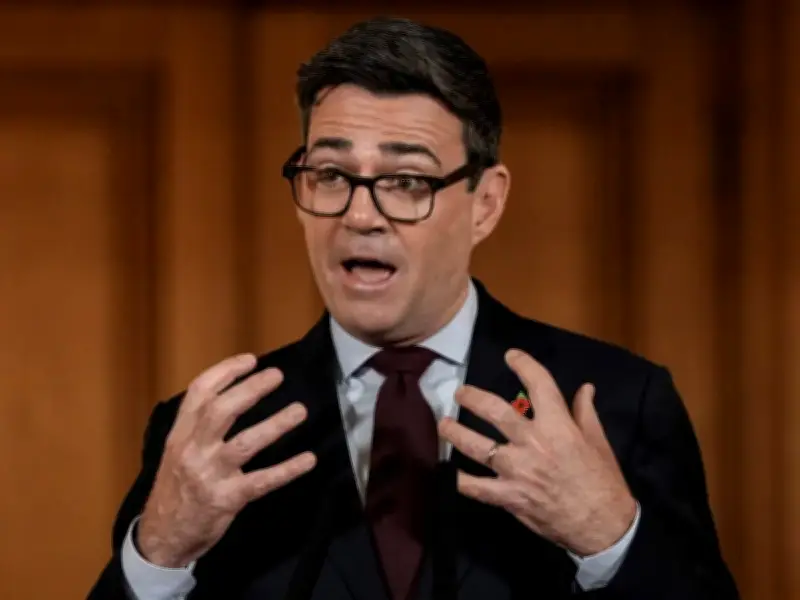
Andy Burnham will attend a Commonwealth leaders’ summit in the Caribbean this week, after signalling he was “open” to calls for a formal British apology for its role in the slave trade. The Prime Minister is due to fly into Antigua and Barbuda for the Commonwealth Heads of Government Meeting (Chogm), where talks about the issue of slavery are likely to dominate.
The summit, which the King will also attend, runs from Sunday until Wednesday in the capital St John’s. Some Caribbean nations have made renewed calls for Britain to apologise for its role in selling enslaved people for profit, and for reparations.
Prime Minister’s Position on Apology and Reparations
Mr Burnham expressed his “sorrow and regret for the pain and suffering of so many millions”, but, in keeping with previous governments, rejected calls for financial compensation. He said: “We are offering a structured dialogue with those affected by the transatlantic slave trade. Listening to calls for a formal apology on behalf of the British state will form an important part of this process and I am open to them.”
Ruling out considering reparations, Mr Burnham wrote: “I do not think that British people today can be held liable for historical wrongs, however heinous, that happened in a different age under different laws and in which they played no personal part.” He added that he would instead seek to launch a drive on debt-servicing to help countries repay over a longer time period with better rates.
Responses from Politicians and the King
Labour former minister Dawn Butler said it was “right that the Prime Minister has acknowledged that it’s a complicated history and we should talk about it”. Brent East MP Ms Butler, who has long urged ministers to consider reparations for those who were enslaved, said: “Reparations takes many forms. It’s not just about financial reparations. One of the leading requests of reparations is to stop the harm - that is a form of reparations. Having a conversation about the complicated history, that is a form of reparation. Understanding the structures that are in place that are designed to continue discrimination in one form or another, dismantling that, that is a form of reparation. Discussing international aid is a part of reparations.”
Ms Butler predicted that the debate on a state apology “will not be laid to rest until it is discussed and challenged and there is a way to move forward”. The King arrived in the Caribbean nation on Friday ahead of his summit opening address today (TUES), which will receive heightened interest after the Prime Minister’s intervention. But Charles, who as head of state is above party politics, is not expected to offer an apology or reference the change in Government policy.
Opposition and Summit Agenda Disputes
Tory leader Kemi Badenoch warned Mr Burnham against issuing a slavery apology because it would give countries a reason to ask Britain for reparations. She said: “I don’t think we should be giving any money to compensate people for the slave trade, and I don’t think that Andy Burnham needs to be apologising because it is a lever to wedge open the door to ask for cash.”
The UK insisted that the matter of reparations should not be on the Chogm agenda, and warned that Mr Burnham would not attend if the subject was formally included, according to a former prime minister of St Vincent and the Grenadines. Ralph Gonsalves said: “My understanding from informed circles is that Britain was vehement not to have the matter on the agenda. The British officials - and in that regard they were joined by the Canadian officials - were even raising the prospect that if it is on the agenda the prime minister of Britain wouldn’t go.”
The issue of reparations also dominated the last Chogm summit in Samoa in 2024, even as then-prime minister Sir Keir Starmer insisted it was not on the UK’s agenda, despite calls from Caribbean and African member states for discussions on the issue.