
A British national has been arrested in the breakaway Georgian region of Abkhazia on suspicion of spying, according to the territory's de facto security service. The man, whose identity has not been disclosed, was accused of gathering confidential information about military sites and infrastructure for a foreign intelligence agency.
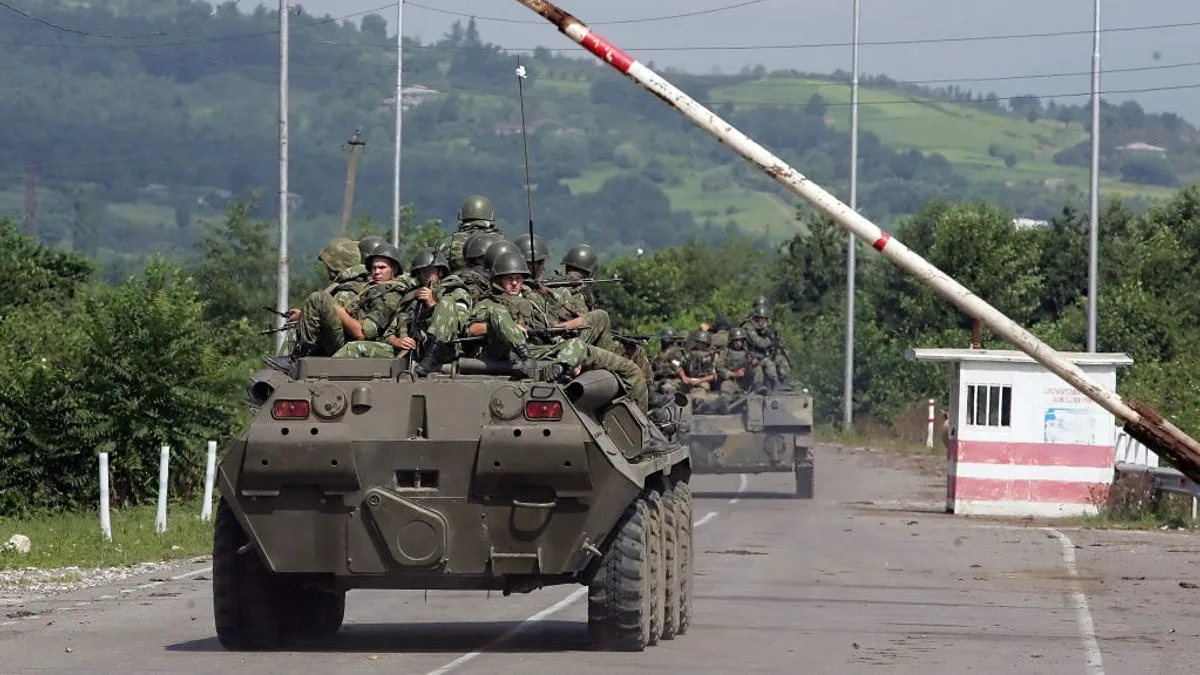
No evidence has been provided to support the espionage claims. The Abkhazian State Security Service (SSS) said the material could have been used to the detriment of the region's security. Abkhazia is internationally recognised as part of Georgia but has been under effective Russian control since a brief war in 2008.
The British citizen was brought before a court in the capital, Sukhumi, and ordered to leave the territory. He is to be deported via the Ingur checkpoint, the main crossing point into Georgia proper, rather than being sent to Russia.
In a video released by the SSS, the man spoke in Russian, claiming he had worked for 13 and a half years in an intelligence unit of the London police and left because of corruption. He said he had lived in Russia for ten months before moving to Georgia and then Abkhazia, where he taught English and ran a billiards hall. He added that his British passport had expired, leaving him unable to obtain valid documents.
Security experts note that the Abkhaz SSS works closely with Russia's Federal Security Service (FSB). Russian troops, numbering around 5,000, are stationed in Abkhazia, and its borders are heavily policed.




