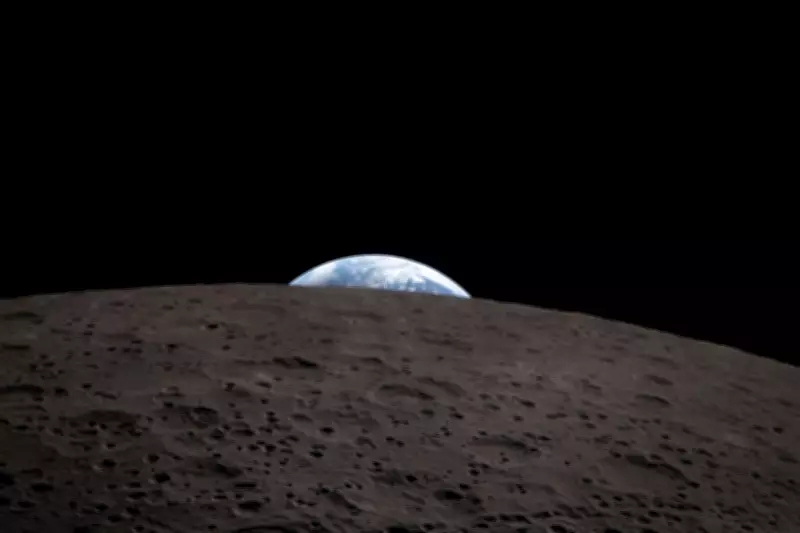
The Artemis program, NASA's ambitious initiative to return humans to the Moon and eventually send astronauts to Mars, has sparked both excitement and skepticism. Proponents argue that it represents a giant leap for humanity, fostering technological innovation and inspiring a new generation of scientists. However, critics contend that the astronomical costs—estimated at over $93 billion through 2025—could be better spent addressing pressing issues on Earth, such as climate change, healthcare, and poverty.
The Promise of Artemis
Artemis aims to establish a sustainable human presence on the Moon by the end of the decade, using it as a testing ground for technologies needed for Mars missions. The program includes the powerful Space Launch System rocket, the Orion spacecraft, and the Lunar Gateway, a small space station orbiting the Moon. Supporters emphasize the potential scientific discoveries, economic benefits from new industries, and the geopolitical prestige of leading space exploration.
Challenges and Criticism
Despite its lofty goals, Artemis faces significant hurdles. Technical delays, budget overruns, and political uncertainty have plagued the program. Some experts argue that the Moon-first approach is unnecessary and that a direct Mars mission might be more efficient. Others worry about the environmental impact of rocket launches and the ethical implications of exploiting lunar resources. Furthermore, the privatization of space exploration raises questions about accountability and equity.

Yet, history shows that space exploration drives innovation. Technologies developed for Apollo led to advancements in computing, materials science, and telecommunications. Similarly, Artemis could yield breakthroughs in energy, robotics, and life support systems. The key is to balance ambition with pragmatism, ensuring that the benefits are widely shared.
Ultimately, the debate over Artemis reflects deeper questions about humanity's priorities. Should we invest in reaching for the stars while problems persist on our own planet? Or can we do both, using space exploration as a catalyst for solving Earth's challenges? The answer may determine not just the future of space travel, but the future of our civilization.