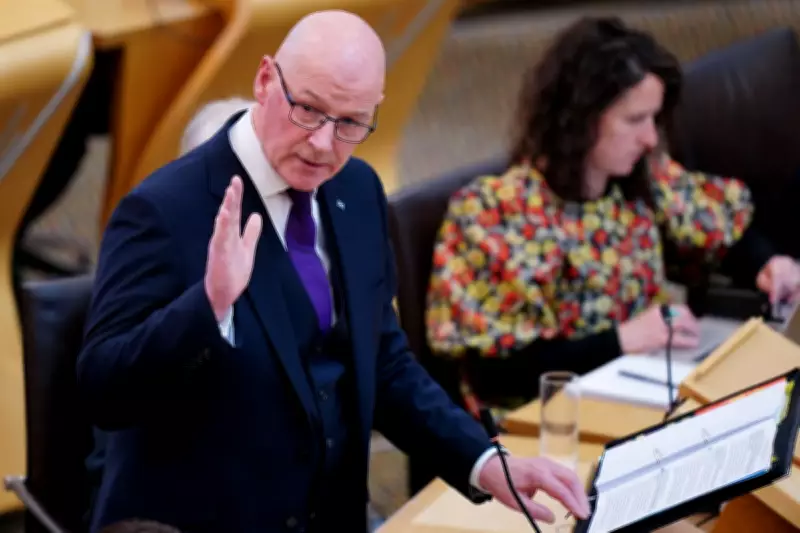
First Minister John Swinney has made a definitive pledge to outlaw conversion therapy in Scotland, declaring that a re-elected SNP government will introduce its own ban within the first year of the next Holyrood term if Westminster fails to enact UK-wide legislation. This commitment was delivered during the final First Minister's Questions session before the upcoming Scottish Parliament election, underscoring the urgency of ending what Swinney termed an "abhorrent practice."
Scottish Government's Stance on Conversion Practices
John Swinney emphasized that conversion practices inflict lasting harm and have no place in Scottish society. He stated, "The SNP Government is clear we will end this abhorrent practice and ensure everyone can live free from abuse." The Scottish Government has already conducted a public consultation on proposals for domestic legislation, but discussions with the Labour Government in Westminster are ongoing to explore the possibility of a unified UK-wide ban.
Conditional Commitment to Legislative Action
Swinney clarified that if UK ministers are unable to deliver a fully inclusive ban, the SNP will proceed with its own Bill should it secure victory in the May election. This marks a shift from previous approaches, where the SNP had pledged to end conversion therapy as part of a power-sharing agreement with the Scottish Greens but deferred action to collaborate with Westminster on a joint strategy last year.

Political Context and Electoral Implications
The pledge was made in response to questioning from SNP backbencher Joe FitzPatrick, who is stepping down from Holyrood ahead of the May 8 election. FitzPatrick described conversion practices as a "stain on our country" and urged for a ban as swiftly as possible. Swinney affirmed the government's dedication to equality and advancing the rights of the LGBTQI+ community, reinforcing the commitment to eradicate harmful and abusive conversion practices in Scotland.
Broader Implications for Devolution and UK-Wide Policy
This announcement highlights the dynamic between Scottish and UK governance, particularly in areas of social policy. Swinney's conditional pledge underscores a willingness to act independently if Westminster does not meet Scottish expectations, potentially setting a precedent for future devolved initiatives. The outcome will depend on the results of the Holyrood election and subsequent negotiations between the Scottish and UK governments.