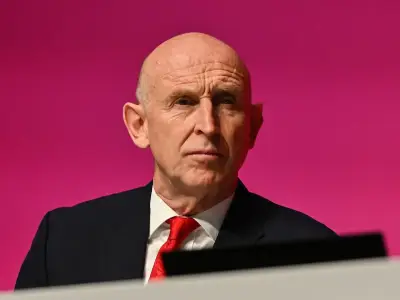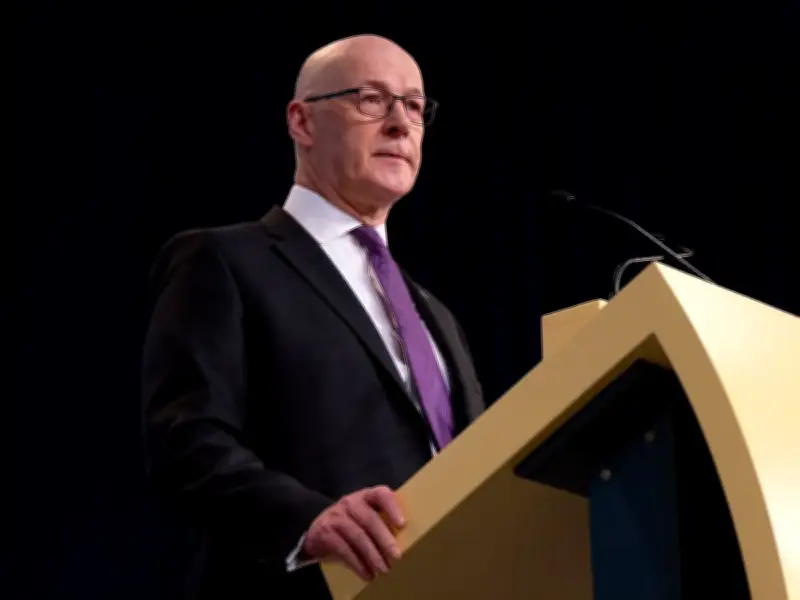
Pensions minister Torsten Bell has accused First Minister John Swinney of trying to make "cheap political points to scare pensioners" over his remarks on UK Government plans to change pensions. The Labour minister claimed Swinney was "lying" with his assertions that pensioners in Scotland could be left about £2,000 a year worse off after the changes.
Row over triple lock changes
The dispute erupted after the Prime Minister set out plans to end the triple lock on pensions from 2030, using the cash saved to help fund social care south of the border. Under the proposals, pensions will still rise by at least 2.5 per cent or the rate of CPI inflation going forward.
Swinney insists that pensioners in Scotland will "lose out as a consequence of the abolition of the triple lock". The First Minister previously sparked fury from the opposition at Holyrood after insisting it would have a "detrimental impact on pensioners" and that there could be a "real loss of around 2,000 per person per year" north of the border.
Bell's intervention
Bell told journalists that the First Minister had "rightly been called out for lying about the impact on state pensioners in Scotland, telling them the pension will be cut". He stressed that "the pension will rise every single year under our plans, rising every single year even after we adjust the triple lock", adding: "Scottish pensioners, I think, have seen completely through that, which is why he has not received any traction."
"But I do think it points to the dangers of a First Minister that is choosing to prioritise scaremongering for cheap politics and grievance, rather than trying to deliver, for example, a better care service for people in Scotland who can see the problems with the status quo," Bell added.
Government response
Scottish Deputy First Minister Jenny Gilruth said the First Minister "stands by his comments in relation to the triple lock". She said: "The UK Government's own figures show pensioners in the UK will be worse off by £15billion per year by 2039-40, rising to around £50billion per year by 2049-50, compared to the current triple lock being maintained."
"In Scotland this would equate to around a £2,000 reduction in real terms in individual pensioner incomes by 2049-50, as compared to the existing triple lock policy. That is a clear loss in expected pension – which the UK Government have made clear is their plan in abandoning the current triple lock," Gilruth added.