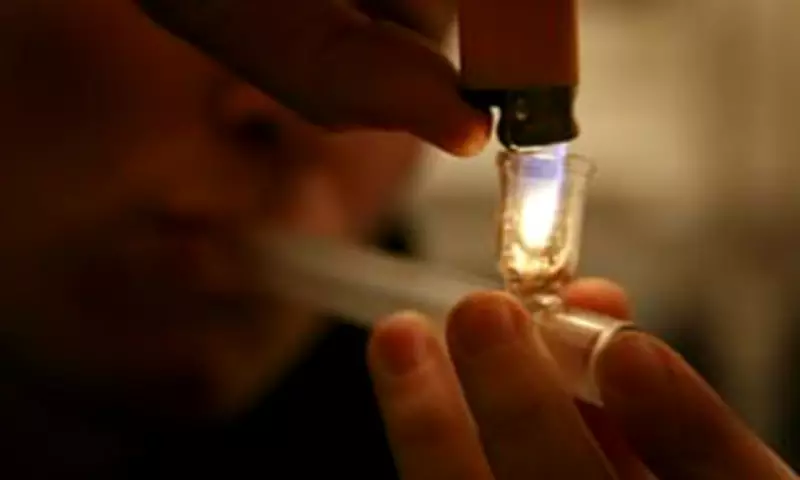
The Scottish Government has unveiled a contentious new strategic plan aimed at addressing the harms caused by drugs and alcohol, drawing sharp criticism from political opponents who label the proposals as reckless and irresponsible. The plan, which covers the period from 2026 to 2035, includes a controversial initiative to provide safer inhalation pipes to drug addicts, alongside measures to further increase the price and restrict the availability of alcohol.
Controversial Drug Harm Reduction Measures
Under the new strategy, SNP ministers are exploring the provision of safer inhalation pipes to encourage users to move away from injecting drugs such as cocaine. This approach is intended to reduce the risks associated with injecting, including HIV, viral hepatitis, infections, injuries, and overdose. The plan also raises the potential for establishing inhalation spaces within safer drug consumption facilities, particularly in Glasgow, as part of efforts to divert users from using high-risk homemade equipment.
Political Backlash and Criticism
Scottish Conservative drugs spokesman Annie Wells has strongly condemned the proposals, arguing that providing safer inhalation pipes will only fuel drug habits rather than aid recovery. Wells stated, "This is a completely reckless and irresponsible proposal from out-of-touch SNP ministers. Helping those who are addicted to smoke drugs will not set them on the road to recovery." She advocated for reintroducing the Right to Recovery Bill to ensure access to treatment and rehabilitation for all who need it.

Alcohol Policy and Pricing Reforms
The strategic plan also includes new proposals to target the attractiveness, affordability, and availability of alcohol. This builds on the SNP's previous implementation of minimum unit pricing for alcohol in 2018, which saw the cost per unit rise from 50p to 65p in 2024. Ministers have suggested that automatic annual increases may be introduced in the future. Additional measures involve restrictions on alcohol advertising, calorie and health warnings on labels, and efforts to raise awareness of the link between alcohol consumption and cancer.
Opposition to Alcohol Measures
Annie Wells further criticized the alcohol-related aspects of the plan, accusing the SNP of punishing responsible drinkers by doubling down on what she called a failed minimum unit pricing policy. She argued, "It has done little to reduce alcohol deaths, yet ministers are still pretending it is the silver bullet to tackle Scotland's troubling relationship with drink."
Government Justification and Future Plans
Drugs and Alcohol Policy Minister Maree Todd defended the strategy, highlighting record investment in alcohol and drugs services over the past five years. She stated, "This plan marks the next phase in our response to tackling alcohol and drug harms." The document outlines key commitments, including exploring safer inhalation devices and spaces, as part of a broader effort to reduce harms from injecting and promote public health.
The publication of this strategic plan has ignited a heated debate over the effectiveness and ethics of harm reduction versus recovery-focused approaches in Scotland's ongoing battle against substance abuse.