The next first minister of Scotland will inherit a full in-tray of challenges, with the economy and the way ministers choose spending priorities among the most pressing issues. As MSPs vote through the Holyrood budget this week, external experts have been scathing in their assessment of how the budget has been assembled.
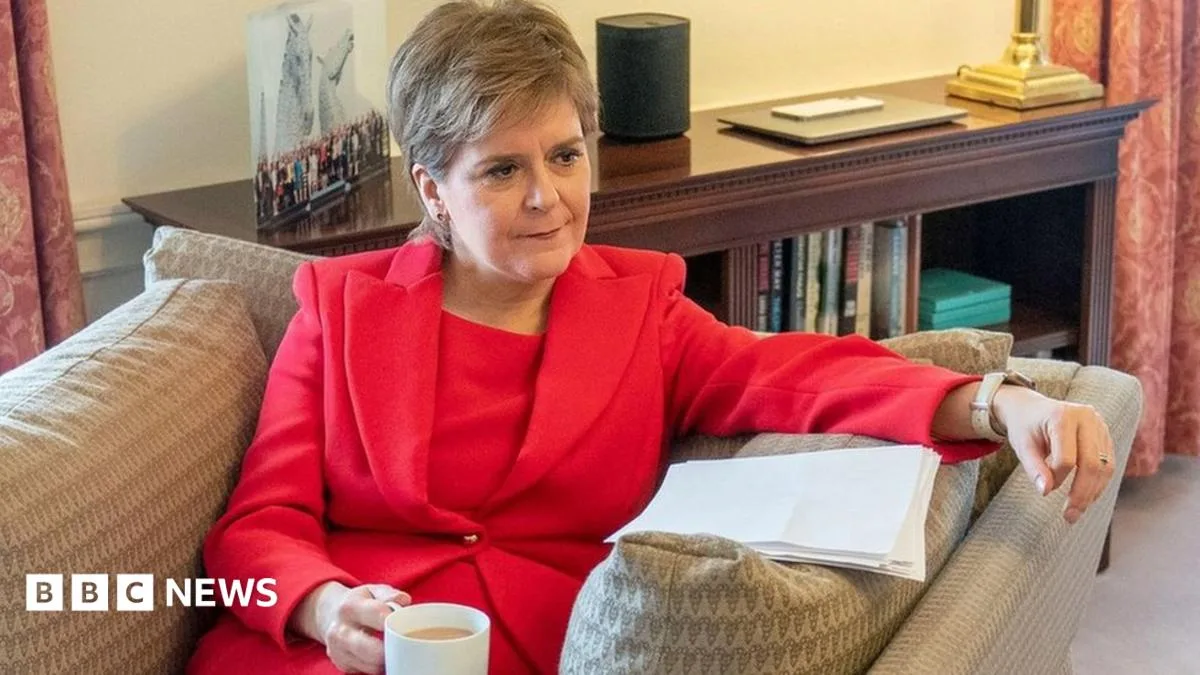
Under Nicola Sturgeon's leadership, economic growth has been given a low profile, and her successor may wish to change that. Kate Forbes, the finance and economy secretary, appears to be staking her leadership campaign on this issue, while her main rival Humza Yousaf has a thinner economic track record, having served as transport secretary during the Ferguson shipyard crisis and overseeing the move of ScotRail into public ownership.
Benny Higgins, the former banker commissioned to draw up an economic recovery plan after the first Covid lockdown, expressed frustration at the lack of progress, saying there remains “a tendency to announce a new study or a new group, when actually there are a lot of things that are staring you in the face and you just need to tackle”.

Climate targets are another area of concern. The Fraser of Allander Institute found a “significant gap” between government intentions and reality, with project planning, impact assessments and value-for-money processes “regularly missing key components, insufficient in quality, performed too late to genuinely influence how decisions are made, or missing entirely”. The economists suggested the government was “tinkering around the edges” and not taking its environmental targets seriously, echoing the Committee on Climate Change’s warning that Scotland’s targets were “in danger of becoming meaningless”.
The Scottish government responded by insisting the net zero challenge is complex and on a large scale, saying work on the budget continues and remains “continually ambitious”. Meanwhile, on women starting up in business, Ms Sturgeon has been criticised for taking a long time to address the disadvantages they face.