Sheffield's Crucible Secures Snooker Future: A Boost for the North
Sheffield's Crucible Secures Snooker Future Until 2045

Sheffield's Crucible Theatre Secures Snooker Future in Major Northern Boost

The announcement that the World Snooker Championship will remain at Sheffield's Crucible theatre until 2045 has been hailed as a significant relief for what has often been described as a neglected northern giant. This decision, which came after speculation of a potential move to locations like Saudi Arabia or China, underscores the enduring value of community in sports amidst an era often dominated by profit-driven motives.

A Historical Context of Industrial Decline and Cultural Resilience

Sheffield, once an industrial powerhouse, faced a decline in confidence as its heavy industries faded. Despite being one of the UK's largest cities, it has historically punched below its weight economically and culturally, with Manchester and Leeds often overshadowing it in the north. The Crucible, hosting the snooker tournament since 1977, has become an iconic venue, with former champion Jimmy White comparing it to Wimbledon for tennis, emphasising that certain traditions should remain unmoved.

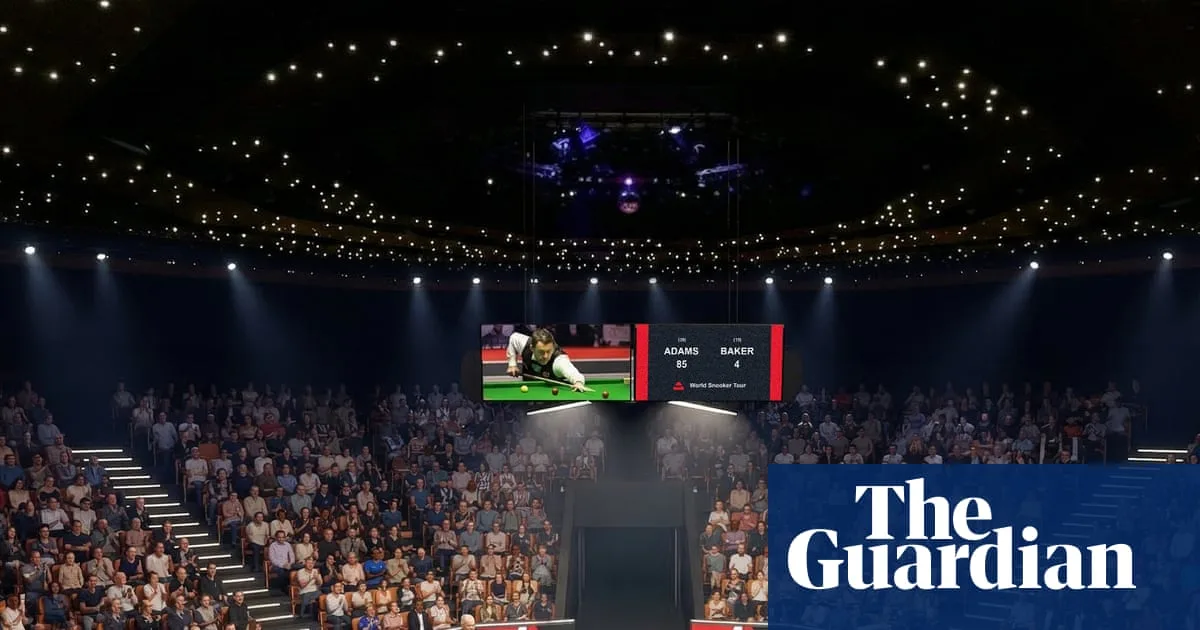
Barry Hearn, president of the World Snooker Tour, acknowledged that sentiment played a role in the decision, but the £45 million funding secured through the threat of relocation was crucial. This investment will fund 500 additional seats and a refurbishment of the 1970s theatre, ensuring its viability for decades to come.

Wide Pickt banner — collaborative shopping lists app for Telegram, phone mockup with grocery list

Economic and Cultural Implications for Sheffield and South Yorkshire

The news arrives amid tentative optimism for Sheffield and South Yorkshire. While manufacturing still plays a role, boosted by global conflicts, the cultural sector shows promise. Sheffield hosts the UK's largest podcast festival, Crossed Wires, and a leading documentary gathering, though it has faced losses like the beloved music venue The Leadmill.

The 2020 South Yorkshire devolution deal unlocked essential funding, and since 2022, the region has had a full-time metro mayor, Oliver Coppard. The Crucible deal involves substantial contributions from central government and private sources, with £25 million from the combined authority—nearly a year's worth of its total funding. Beyond the estimated £4.5 million annual economic boost from the event, it significantly contributes to local morale and identity.

Challenges and Opportunities in Urban Revival

Despite Sheffield's reputation as the greenest city in the UK, with more trees than people, it struggles to attract visitors. The Centre for Cities thinktank reports that Sheffield's centre has the worst vacancy rate and lowest visitor spend among large UK cities. Productivity, new economy jobs, and wages lag behind peers, leading many graduates to leave. In contrast, nearby Doncaster and Barnsley have seen economic improvements, with disposable incomes rising twice as fast as the national average.

Plans for a new Don Valley corridor project between Sheffield and Rotherham aim to integrate industry, housing, and infrastructure, with Mayor Coppard vowing to enhance substandard transport links, including poor bus services once widely envied.

The Path Forward: Steady Progress Over Keystone Events

While events like the snooker championship provide a morale boost, the city and region's revival will depend more on steady, unglamorous progress. Keeping snooker in Sheffield highlights the importance of local champions and central government support, offering a beacon of hope for an overlooked northern giant striving to reclaim its prominence.

Pickt after-article banner — collaborative shopping lists app with family illustration