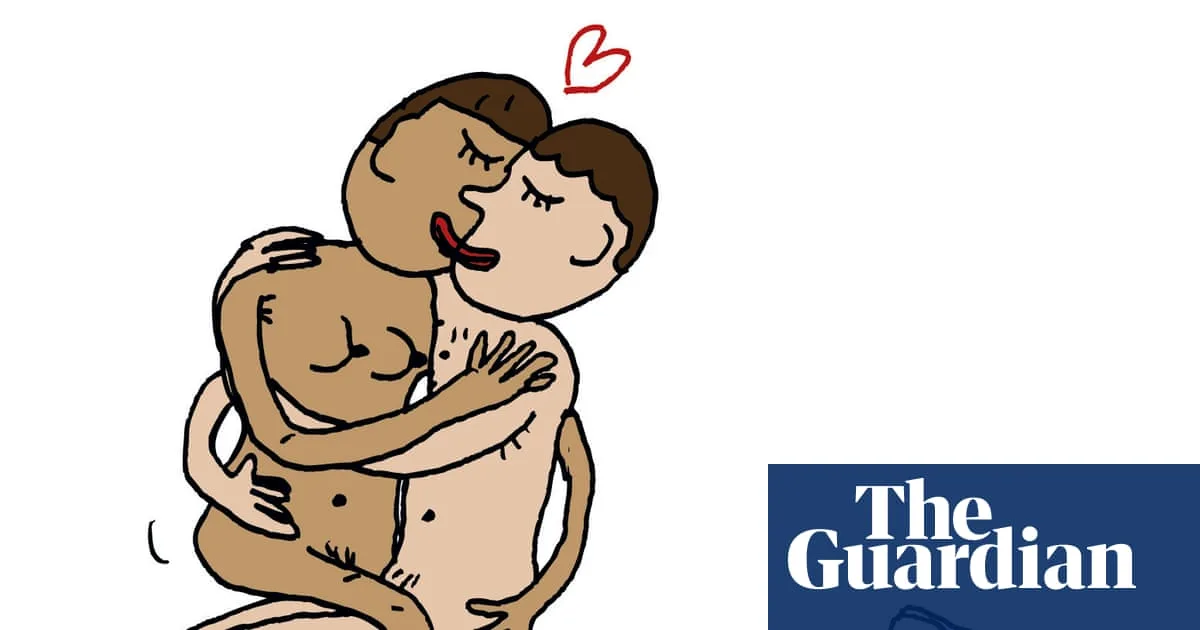
Illustrations from How to Make a Baby by Anna Fiske have sparked controversy abroad but are celebrated in Norway, where children's literature boldly tackles taboo subjects. Fiske, a Swedish-born author living in Norway, received death threats for her 2019 book, which depicts IVF, insemination, adoption, and intercourse with candid illustrations. Despite being banned from some US school libraries and criticized by a Russian mothers' group for showing grimacing birth faces, Fiske remains steadfast. 'I just tell things as they are,' she says.
Norwegian Approach to Children's Literature
In Norway, Fiske's 'How to' series has sold over 100,000 copies, and she won the Honorary Brage award in 2025. The success reflects a literary industry that embraces taboo subjects as a calling card. According to Norla, the government agency promoting Norwegian books abroad, children's literature should 'question, explore and imagine without limits.' Children are seen as independent individuals deserving of serious artistic expression.
Festival Showcases Sensitive Topics
At the Norwegian festival of literature in Lillehammer, this year's programme includes books on exclusion, bullying, identity, queer literature, climate issues, mental health, and refugees. Festival director Marit Borkenhagen notes that difficulty depends on perspective: 'Children or adults?' The festival has hosted authors like Laurie Halse Anderson, whose books on rape and anorexia are banned in the US but welcomed in Norway.
Homegrown Talent Embraced
Books like Girls by Cathrine Sandmæl, about girls who like girls for ages 9-11, and Super Brother by Cathrine Louise Finstad, about a boy whose sister is stillborn, have been well-received. Fiske, a regular at the festival, says children absorb adult anxieties and need honest explanations. Her father's bipolar disorder, never explained to her, motivated her work.
The Philosophy Behind the Books
Norwegian writer and illustrator Svein Nyhus, who co-authors with his wife Gro Dahle, says anything can be told with the right form: 'Symbols, expressive drawings, poetic language, metaphors.' Their books include Angry Man about a violent father and The Octopus about incest. The only taboo, Nyhus says, is 'to take away hope from children.'
Cultural and Economic Factors
Two factors underpin the Norwegian approach: a cultural view of childhood with more agency and less discipline, and state support for publishing. The government buys large stocks of every book for national libraries, allowing experimentation without market pressure. Professor Gunnar Breivik notes, 'We have failed as parents if our children haven't broken any bones by the time they turn 18.'
International Comparisons
Other countries also produce daring children's books. German author Lilly Bogenberger's Girl With Scars addresses self-harm, and Italian publisher Corraini Edizioni's Where Do We Go When We Die? by Samy Ramos treats death as a fun puzzle. However, book banning persists, as seen in the US and at Budmouth Academy in Dorset, which removed The Hate U Give from its reading list.
Putting Children First
Fiske prioritizes children over parents. 'I always write books that I'm curious about myself,' she says. She consulted a child psychiatrist for her book on death to avoid scaring readers, especially regarding suicide. 'I want to take away the misunderstanding, the ghost in the mind,' she explains. Her philosophy: 'Nothing is too much. It's how you tell it.'
The Norwegian festival of literature takes place in Lillehammer from 1-7 June.