The Scottish Government has been warned that a law allowing foreign nationals without permanent leave to remain to stand in Scottish elections risks "undermining trust in the democratic process."
In a rare display of defiance against Nationalist ministers, the cross-party members of the Scottish Parliament standards and procedures committee have unanimously supported a report calling for the legislation to be reexamined.
Committee Convener Calls for Reconsideration
Jenni Minto, an SNP MSP and convener of the committee, said: "The changes that allowed people with limited leave to remain to stand for election should be reconsidered."
"They appear to have run ahead of what the public want and the rationale for making the change is simply not clear," she added.
Until 2024, foreign nationals were only eligible to stand for election to Holyrood if they had indefinite leave to remain, an immigration status allowing them to live and work in the UK in perpetuity. However, MSPs that year unanimously voted to extend election candidacy rights to non-UK citizens with limited leave to remain, which grants them permission to stay in the UK for a time-limited period.
Rule Change and Election of Q Manivannan
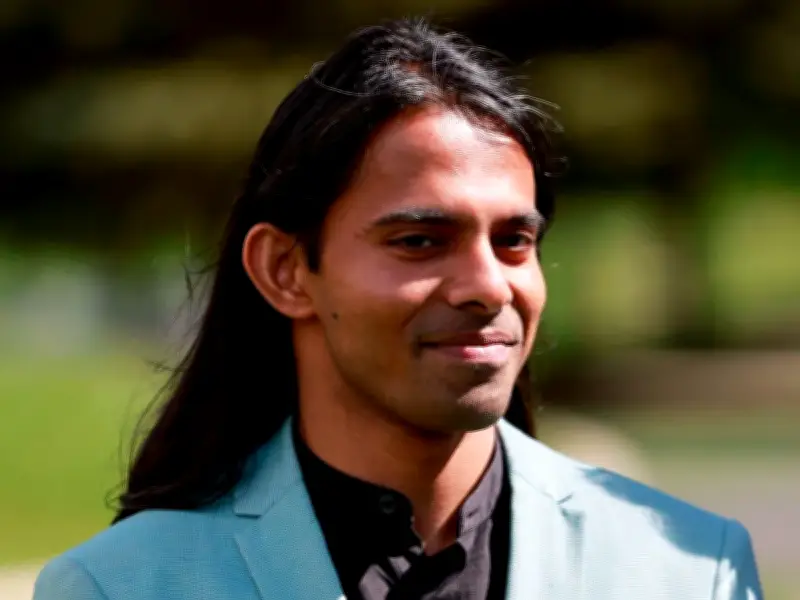
The rule change went largely unnoticed until Q Manivannan was elected as a Green MSP in May this year despite only staying in the UK on a student visa. Manivannan, originally from India, moved to Scotland in 2021 to study for a PhD in international relations at the University of St Andrews. They were last month given an extension to remain in the UK until 2029, after being issued a three-year graduate visa.
Manivannan, who has described themselves as a "queer Tamil immigrant," previously said: "This is my home and I'm not going anywhere." Both Reform and the Tories had criticised the Greens for allowing Manivannan to run for election despite not being a UK citizen or having indefinite leave to remain.
Committee Report and Recommendations
A five-member Holyrood committee, including two SNP MSPs, Labour's Jackie Baillie, Tim Eagle of the Tories, and Reform's Mark Simpson, has now also raised concerns. While not mentioning the election of Manivannan, the committee's report said: "The 2025 reform, which allowed non-UK nationals with limited leave to remain to stand as MSPs and councillors on a non-reciprocal basis appear to have run ahead of public opinion, made Scotland a relative outlier in this area, and were not clearly evidenced as needs-based."
"At a time when confidence in politicians and state institutions is fragile, especial care is required in relation to any electoral reforms that may risk undermining trust in the democratic process," the report added.
The committee therefore recommends that the Scottish Government reconsiders its position of allowing foreign nationals with limited leave to remain to stand for Scottish Parliament and local government elections.
A spokesman for the Scottish Greens said: "There are thousands of people with limited leave to remain who live and work in Scotland and have made a home here, including Commonwealth citizens. They should be able to stand for our parliament and councils."
"MSPs backed this change unanimously at the time, including the convenor and co-convenor of the committee. It would be a regrettable backwards step for representation and democracy if Scotland was to roll-back on this commitment," he added.