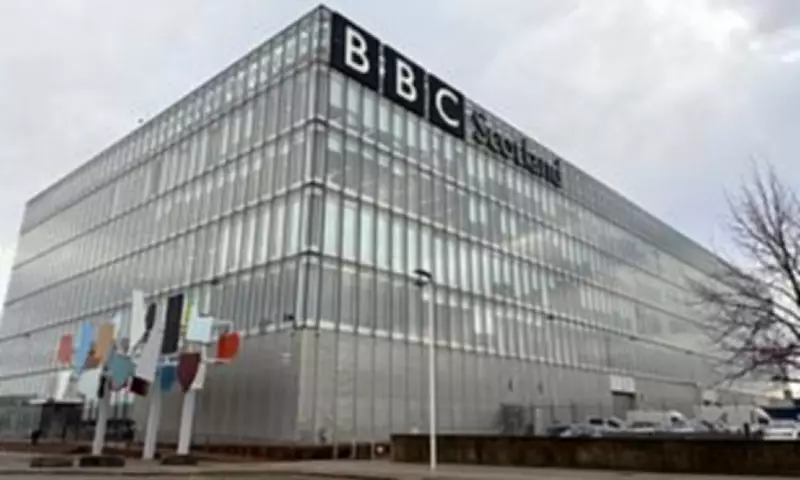
MSPs Propose Taxpayer Funding for BBC in Radical Scottish Broadcasting Overhaul
A Holyrood committee has put forward radical proposals that could see taxpayers partially funding the BBC, moving away from the traditional licence fee model. The constitution, culture, Europe and external affairs committee has suggested exploring a 'hybrid' funding system where some financial support would come from general taxation rather than relying solely on the licence fee.
Concerns Over BBC's Scottish Representation
The committee's report highlights significant concerns about the BBC's performance in Scotland, noting 'long-standing frustration' that the BBC Network 'continues to fall short in serving the interests of licence fee payers in all parts of the UK equally.' MSPs have called for the broadcaster to feature 'more Scottish voices' and to provide clearer distinctions between devolved and reserved matters in its news reporting.
The proposals go beyond funding changes, questioning whether the BBC should adopt a more federal structure where BBC Scotland would operate as a partner rather than a subsidiary. This would grant the Scottish arm greater editorial control and commissioning power, addressing concerns about the downgrading of local news coverage in Scotland.

Trust Crisis and Structural Reform
These recommendations come at a critical time for the BBC, following a major survey revealing that trust in the corporation has plummeted more dramatically over the past decade than in any other British institution apart from the Government. A staggering half of the public reported trusting the BBC less than they did ten years ago, citing a series of scandals and mounting accusations of bias.
The committee stated: 'We support an adventurous, adaptable and accountable BBC and have made a series of recommendations directed at the Scottish Government, the UK Government, Screen Scotland, Ofcom and the BBC to ensure that Scotland and its license fee payers are well served.'
Expert Testimony and Alternative Proposals
During evidence gathering, the committee heard from broadcasting experts including Angus Dixon, a senior lecturer in broadcast and online journalism at Glasgow Caledonian University. Dixon advocated for closing the controversial BBC Scotland digital channel and redirecting those resources 'directly into programming.'
This perspective was supported by Peter Strachan, a researcher at Glasgow Caledonian University, who proposed allocating 5 percent of licence fee income raised in Scotland to 'fund development of Scottish scripted and unscripted proposals.'
BBC Response and Future Direction
A BBC spokesman responded to the proposals, stating: 'The BBC is committed to reporting on issues that matter to all of our audience, both through our network News and Current Affairs teams and our output in the nations. More broadly, through our Across the UK strategy we have moved roles, programming and decision making across the UK's nations and regions.'
The spokesman added: 'Our response to the Government's green paper sets out how, with appropriate reform of the BBC's funding, we're aiming to go further still, with content increasingly commissioned and produced closer to the audiences we serve.'
The committee emphasized the vital role local broadcasters continue to play in Scotland's social fabric, underscoring the importance of these proposed reforms to better serve Scottish audiences and address the trust deficit that has developed over recent years.