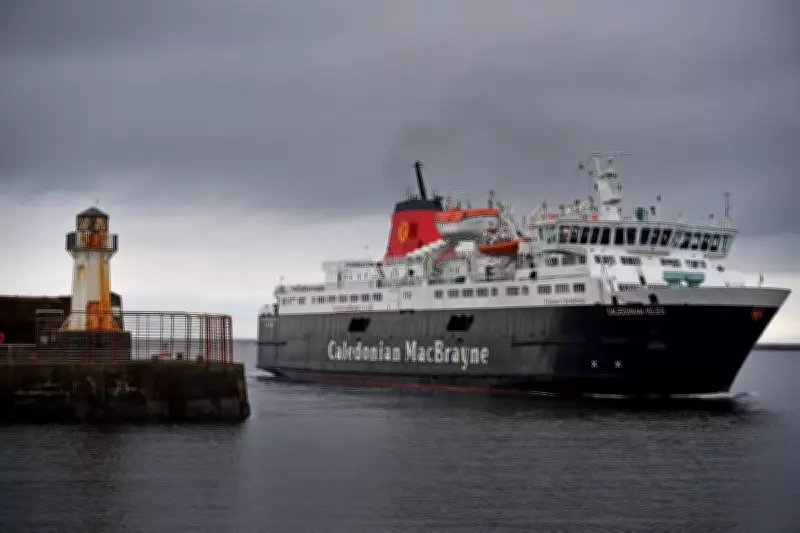
Labour Unveils Plan to Merge Ferry Bodies and Overhaul Scotland's 'Broken' Island Transport System
Scottish Labour has pledged a major restructuring of the nation's ferry services, vowing to merge key bodies and fix what it calls a "broken system" that has left island communities stranded. Party leader Anas Sarwar will visit the ferry terminal in Stornoway on the Isle of Lewis on Monday to highlight the ongoing issues plaguing the west coast ferry fleet and lay out his party's ambitious plans just ahead of the crucial May election.
Merger Proposal to Cut Bureaucracy and Modernise Fleet
Under the proposed Labour government in Holyrood, ferry operator CalMac and ferry procurement body Caledonian Maritime Assets Limited (CMAL) would be merged into a single, streamlined agency. This move, Labour argues, will "cut bureaucracy" and create a more efficient, locally accountable system. The newly merged entity would feature local representation on its board and implement a new ferry procurement process, alongside a rolling replacement programme designed to modernise Scotland's ageing fleet.
The announcement comes at the end of a particularly troubled week for CalMac, which reported "unprecedented" upheaval across its network. Eight major vessels were taken out of service due to a combination of severe weather and persistent technical issues, further exacerbating the strain on island communities.

Soaring Cancellation Figures Highlight Systemic Failures
Figures obtained by Labour through freedom of information requests reveal a stark deterioration in ferry service reliability over the past decade. Annual cancellations more than doubled from 6,822 in 2015 to a staggering 13,647 in 2025. Perhaps more alarmingly, cancellations attributed specifically to technical faults increased more than nine-fold, soaring from 709 to 7,371 over the same period.
"Cancellations have sky-rocketed because of the SNP's failure to upgrade Scotland's lifeline ferry fleet," declared Anas Sarwar. "Right across Scotland, the SNP's ferry fiasco is a symbol of their incompetence and waste – but in our islands it has wreaked havoc with people's day to day lives."
Sarwar emphasised the human cost behind the statistics, noting that islanders have missed critical family events like weddings and funerals, been separated from loved ones, and struggled to attend medical appointments. Local businesses, he warned, are "struggling to stay afloat" due to the unreliable service.
Political Clash Over Ferry Future Intensifies
The Labour leader framed the upcoming election as a clear choice for change, stating: "Enough is enough – it is time to put an end to the SNP's ferry fiasco and give island communities the reliable lifeline service they deserve. Scottish Labour will fix the SNP's mess and deliver the ferries island communities need."
He added a direct appeal to voters: "Islanders, taxpayers and shipyard workers are all being let down by the SNP's broken system – but there is a choice. On May 7 we can vote for change and elect a Scottish Labour government that will end the SNP's ferry crisis and get the basics right."
The SNP swiftly countered Labour's proposals. A party spokesman acknowledged there were "challenges" with the ferry network but argued that Sarwar's pledges do "nothing" to address the core issue of building more vessels. "The SNP is getting on with addressing the challenge of renewing our ageing fleet with more than £2 billion invested in ferry services in our time in office – that's what our island communities want to see and that's exactly what we are doing," the spokesman stated.
The SNP spokesperson further defended their record, noting: "Under the SNP we are operating more sailings and serving more routes than ever before, but of course the priority is to get people living in our island communities the service they deserve. Our island communities don't need more soundbites from Sarwar."

CMAL's Troubled Procurement Record Under Scrutiny
CMAL has faced intense criticism in recent years, particularly over its handling of the construction of the vessels Glen Sannox and Glen Rosa at the Ferguson Marine shipyard in Port Glasgow. Both projects have been plagued by massive delays and significant budget overruns, with one of the ferries still not in active service. This procurement debacle has become a focal point in the political debate over ferry management and spending.
CalMac Acknowledges Ageing Fleet Challenges
A spokesman for CalMac addressed the reliability issues, linking them directly to the age of the vessels. "Technical outages are a significant risk with an ageing fleet, and we provide more services than ever before so the demand on those vessels has increased over the years," the spokesman explained.
The operator outlined its strategy to improve reliability, stating: "That is why we're phasing in regular maintenance time across our fleet to drive down the amount of unplanned technical disruptions and cancellations. Six major and seven small vessels will join our fleet between 2025 and 2029, and bringing in more modern tonnage should also improve reliability and reduce the amount of technical cancellations."
As the election approaches, the future of Scotland's vital island ferry links remains a contentious and critical issue, with Labour promising structural reform and the SNP emphasising continued investment in fleet renewal.