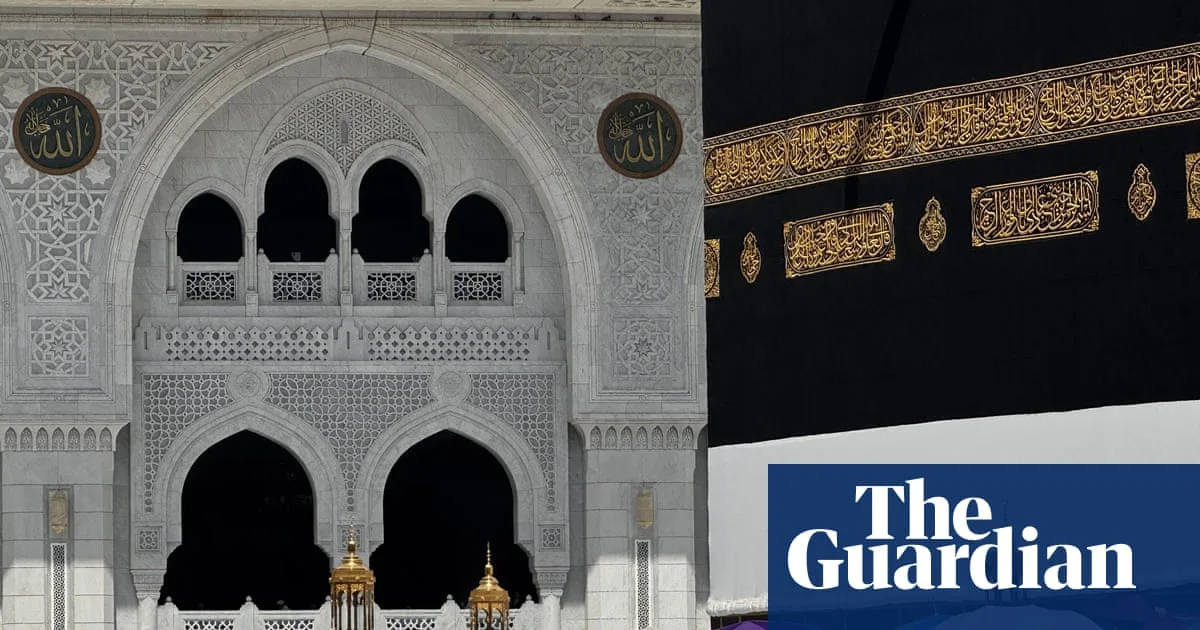
A new analysis has found that global heating has fundamentally altered the climate of Mecca, exposing millions of hajj pilgrims to extreme and dangerous heat even outside the summer months. The study, conducted by scientists from the World Weather Attribution group, shows that carbon dioxide emissions from fossil fuels mean scorching temperatures of 40°C are now regularly experienced in May, a month that was historically cooler.
The researchers warn that without a rapid transition away from fossil fuels, hajj will take place amid dangerous heat almost all year round by the end of the century. This year, Muslims around the world are celebrating Eid al-Adha as pilgrims in Mecca complete their rituals. Hajj follows the Islamic lunar calendar, which shifts earlier each year, moving through all seasons over a 33-year cycle.
In 2024, more than 1,300 pilgrims died due to extreme heat and humidity during the June pilgrimage. The analysis found that 40°C temperatures are now expected in May once every two to three years, compared to their rarity in the past. The average May temperature is now 3.5°C hotter than before human-caused global heating, making hajj in May as dangerous as the height of summer used to be.

The Saudi authorities have introduced heat action plans, including shaded walkways, cooling stations, misting systems, and expanded medical services, which have helped reduce heat-related illnesses. However, Professor Friederike Otto at Imperial College London, an author of the study, stressed that reactive measures are insufficient. “If we don’t rapidly reduce our dependence on fossil fuels – an industry at the very centre of the Saudi economy – we are resigning ourselves to the fact that millions of Muslims will be forced to carry out the hajj rituals in a climate that is simply unsuitable for it,” she said.
Dr Clair Barnes, also at Imperial College London, added: “Our analysis shows very clearly that less of the year is now safe for the millions of Muslims who wish to undertake the hajj. As long as we continue to burn fossil fuels, the window for bearable hajj temperatures will continue to shrink.” A 2022 study found that if global temperatures rise by 3°C by the end of the century, about 97% of all hajj pilgrimages would endure dangerous levels of heat in Mecca.
Dr Emmanuel Raju at the Copenhagen Centre for Disaster Research highlighted the unique humanitarian challenge: “Extreme heat during the hajj presents a unique humanitarian challenge because it involves millions of people moving through an outdoor environment for days on end. Measures like misting fans and water stations are vital, but we must face the reality that if temperatures continue to climb at this pace, the health and lives of millions during their pilgrimage is at risk.” The Ministry of Hajj and Umrah in Saudi Arabia was contacted for comment but did not respond.