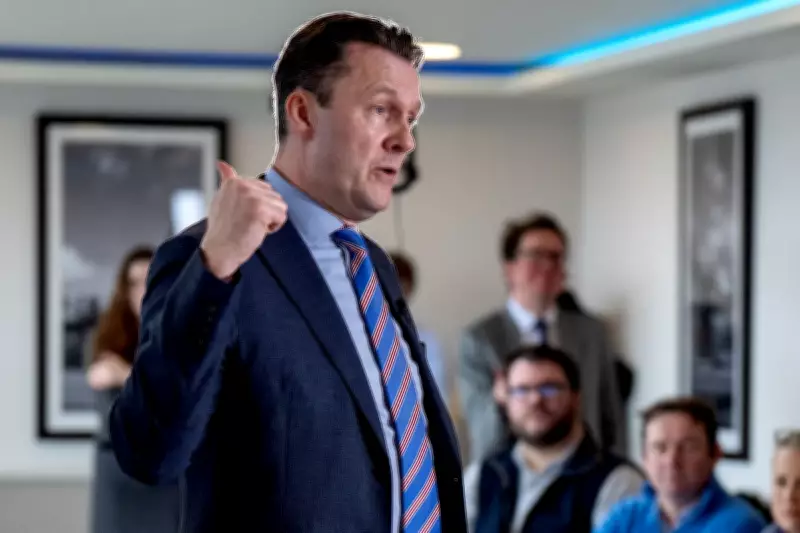
Scottish Conservative leader Russell Findlay has sparked political intrigue by refusing to explicitly rule out backing Scottish Labour leader Anas Sarwar to become first minister of Scotland. During a campaign visit to Aberdeen alongside UK Conservative leader Kemi Badenoch, Findlay was directly questioned about whether he would instruct his MSPs to support Sarwar for the top position at Bute House following the upcoming election.
Findlay's Categorical Rejection of SNP Support
While carefully avoiding commitment to Sarwar, Findlay delivered an unequivocal rejection of any potential support for SNP leader John Swinney. "First and foremost, I'm fighting for every single Scottish Conservative vote and as many Scottish Conservative MSPs as possible," Findlay told journalists when pressed on the Sarwar question. He added, "I'm just not going to get into post-election speculation about numbers, which none of us in this room or further afield know anything about."
The Tory leader made his position on the SNP absolutely clear: "But what I will say, categorically, is I will not support and will never support an SNP first minister or SNP government." This firm declaration underscores the Conservative Party's fundamental opposition to Scottish nationalism and any administration led by the Scottish National Party.

Background of Unionist Alliance Speculation
Findlay's comments follow a significant report in The Scotsman newspaper quoting a senior Labour source suggesting that if Labour wins approximately a dozen constituencies in Scotland's central belt, they could potentially lead the government with support from other unionist parties, including Reform UK. This scenario would require cross-party cooperation among unionist factions to form a government that could challenge SNP dominance.
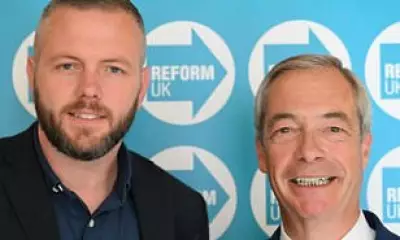
The prospect of a Labour-Reform UK alliance has raised eyebrows across the political spectrum, given the historically fractious relationship between the two parties. Tensions reached a peak during a by-election last year when social media advertisements produced by Nigel Farage's Reform UK about Anas Sarwar were condemned by critics as "racist," creating substantial bad blood between the potential partners.
Political Reactions and Campaign Dynamics
First Minister John Swinney raised the specter of such a unionist deal during his party's campaign launch, insisting this was not merely a "scare story" but a genuine possibility. SNP campaign director Angus Robertson seized on the reports, declaring they revealed "potential for a grubby, backroom deal" between Labour and other unionist parties.
Robertson added pointed criticism: "Until now, Labour had clearly been planning to pull the wool over the eyes of the people of Scotland – but this senior source saying the quiet part loud has shown people exactly what Labour would do given half the chance." This rhetoric reflects the SNP's strategy of framing any potential unionist coalition as fundamentally undemocratic and against Scotland's interests.
The political landscape in Scotland appears increasingly fluid, with traditional party alignments potentially giving way to new configurations based on constitutional positions rather than traditional left-right divides. Findlay's refusal to rule out backing Sarwar while absolutely rejecting Swinney illustrates this emerging dynamic, where unionism versus nationalism may become the primary political fault line determining government formation.