Millions of US Adults Left College Without Degrees, But Reenrollment Is Rising
A significant and growing population of working-age adults in the United States has attended college without earning a degree. This group, often referred to as "stopouts," numbers approximately 38 million individuals. Many carry student loan debt but lack the credential that could enhance their earning potential.
Personal Struggles Derail Academic Dreams
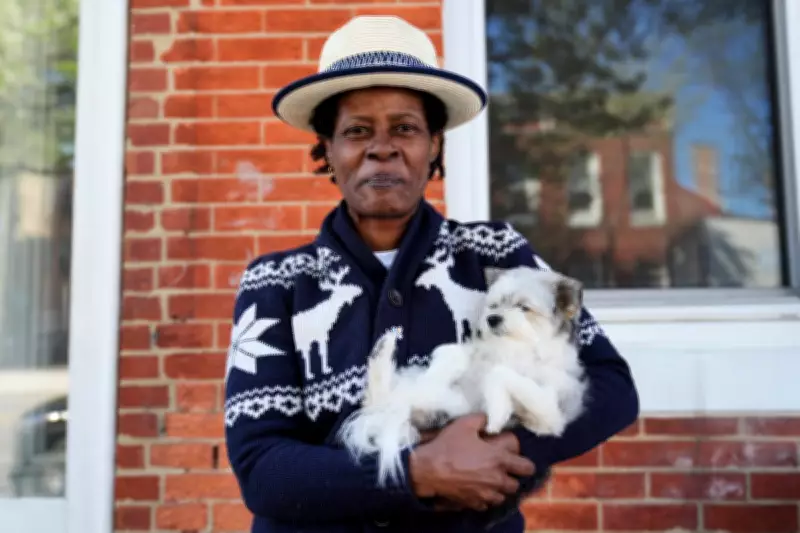
Jevona Anderson's story exemplifies the challenges faced by stopouts. After experiencing multiple family deaths and an eviction that left her homeless, Anderson's life began to unravel. By 2025, at age 59 and nearing completion of her bachelor's degree at the University of Baltimore, she was failing classes and falling behind on bills. Eventually, she dropped out.
"It was so easy for someone my age to stop, because I have a lot of professional skills to get a job to continue to just live," said Anderson, who aspires to become a teacher. "It's bigger than that."

Small Obstacles Create Major Roadblocks
While earning a degree remains one of the most reliable paths to improved long-term earnings, many students abandon their studies despite significant financial investment. College is time-consuming, expensive, and administratively complex. A single unpaid fee, a confusing form, or difficulties balancing caregiving, work, health issues, and transportation can derail a student's progress.
"Life is always changing. Everybody is going through something," said Nina Diggs-Pindell, a University of Baltimore student who has stopped out multiple times due to parenting and work responsibilities.
Targeted Support Drives Reenrollment Increase
Although many stopouts intend to return to college, few historically have done so. Recent years, however, have seen colleges and local governments improve their support systems. Reenrollment numbers have been rising, reaching over 1 million in the 2023-2024 school year—a 7% increase from the previous year, according to enrollment data.
For Anderson, a scholarship made the crucial difference. When she was ready to return, financial assistance helped her afford to reenroll at the University of Baltimore. The scholarship, largely funded by the Carnegie Corporation, covered her remaining credits and housing costs.
State Initiatives and Strategic Partnerships
States are making progress through intentional efforts to provide financial assistance and remove bureaucratic hurdles like account holds. Maryland colleges reenrolled 25,068 students from across the country in 2023-2024, an increase of 2,259 from the year before. Still, this represents a small fraction of the 600,000 working-age adults who had dropped out of Maryland schools without completing their degrees.
Several states have partnered with ReUp, a company that facilitates reenrollment through coaching and data tools. These tools allow schools to refine outreach methods and match students with college programs based on their academic history, life circumstances, and employment goals.
Beyond Scholarships: Comprehensive Support Systems
Reengaging stopouts requires persistent effort. ReUp found it takes an average of 24 touchpoints—including texts, emails, and meetings—before a stopout reenrolls. Many colleges now view this as a worthwhile investment, particularly compared to recruiting entirely new students.
Richie Ince, director of enrollment management at Pueblo Community College in Colorado, launched a stopout scholarship about a decade ago. He discovered many former students left due to "life happens moments." Personalized outreach combined with a scholarship now worth approximately $2,000 often proved sufficient to bring students back.
"We just heard a lot of students say this was the kind of kick in the pants they needed, or that they just needed someone to reach out," Ince said.
Success Stories and Future Prospects
Melody Blair, 55, utilized a scholarship to return to school for an associate's degree in health information management. After decades working nights at a call center, she is now pursuing a career in the genomic registry field.
"It's one of those jobs I know I can wake up and look forward to doing," Blair said.

Anderson is now on track to graduate after this semester. Although she initially couldn't afford graduation regalia, the school's student center offered to lend her a cap and gown. Her focus remains on the prospect of soon working with children again.
"Me and God made a pact—I am graduating this spring," she declared.
The stopout population continues to grow overall, even as annual stopouts have declined and reenrollment has increased, according to data from the National Student Clearinghouse. However, the number of recent leavers still far outpaces those who have reengaged, highlighting the ongoing need for targeted support initiatives.