Swinney Accuses Westminster of Holding Scotland Back at Independence Rally
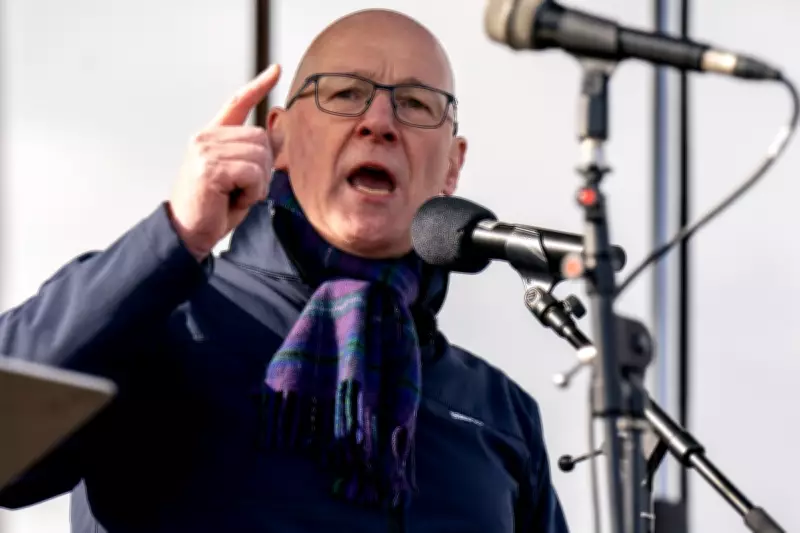
First Minister and SNP leader John Swinney has delivered a passionate address at a pro-independence rally in Edinburgh, asserting that Scotland is being "held back by the decisions of Westminster." The event, held on Saturday, saw Swinney rally supporters ahead of the upcoming May elections, framing the vote as a critical opportunity to advance the cause of Scottish independence.
A Call for Action and International Recognition
Swinney began by thanking participants for creating a platform to broadcast Scotland's readiness for independence to the global community. He emphasised Scotland's core values, stating, "We believe in compassion, dignity, respect, equalities, and human rights. We oppose illegal wars and advocate for worldwide peace." However, he argued that the United Kingdom stifles Scotland's voice on the international stage, preventing it from championing these principles effectively.
He highlighted specific grievances, noting, "In an energy-rich country, our people endure fuel poverty and exorbitant bills due to Westminster's policies. We must take Scotland's energy wealth into our own hands through independence." Swinney portrayed independence as essential for addressing domestic issues like child poverty, which his government is working to reduce, but claims is hampered by UK-level decisions.

Political Strategy and Electoral Goals
The SNP leader made a direct appeal for electoral support, urging rally attendees to translate their solidarity into grassroots campaigning. "This is a moment for action," he declared, encouraging efforts to ensure Scotland's voice is heard in the May 7 elections. Swinney acknowledged the presence of other political parties but positioned the SNP as the sole vehicle for achieving independence, stating, "I want an overall majority so I can take Scotland's future into Scotland's hands."
He believes that securing a majority for the SNP will compel the UK Government to permit a second Scottish independence referendum, mirroring the scenario after the 2011 Holyrood election that led to the 2014 vote. This historical precedent underpins his current strategy, aiming to replicate past successes through democratic means.
Opposition Criticism and Unionist Response
In contrast, Scottish Conservative leader Russell Findlay criticised Swinney's focus on independence, accusing him of being out of touch with ordinary Scots. Findlay spent the day engaging with voters in practical settings, such as a restaurant, where he heard concerns about cost-of-living pressures and hospitality sector struggles.
Findlay remarked, "While John Swinney was up a hill rabble-rousing with nationalist die-hards, I talked with people in the real world. His flag-waving antics confirm that independence is his only priority, overshadowing pressing issues like the economy." He urged voters to support the Scottish Conservatives to prevent an SNP majority, positioning his party as the strongest defender of the Union against what he called "weak Labour" and "fake unionists of Reform."
This exchange underscores the deepening political divide in Scotland, with Swinney framing the election as a pivotal step toward self-determination, while opponents argue it distracts from immediate societal challenges. The rally and subsequent reactions highlight the ongoing debate over Scotland's constitutional future, set to intensify as the May elections approach.