
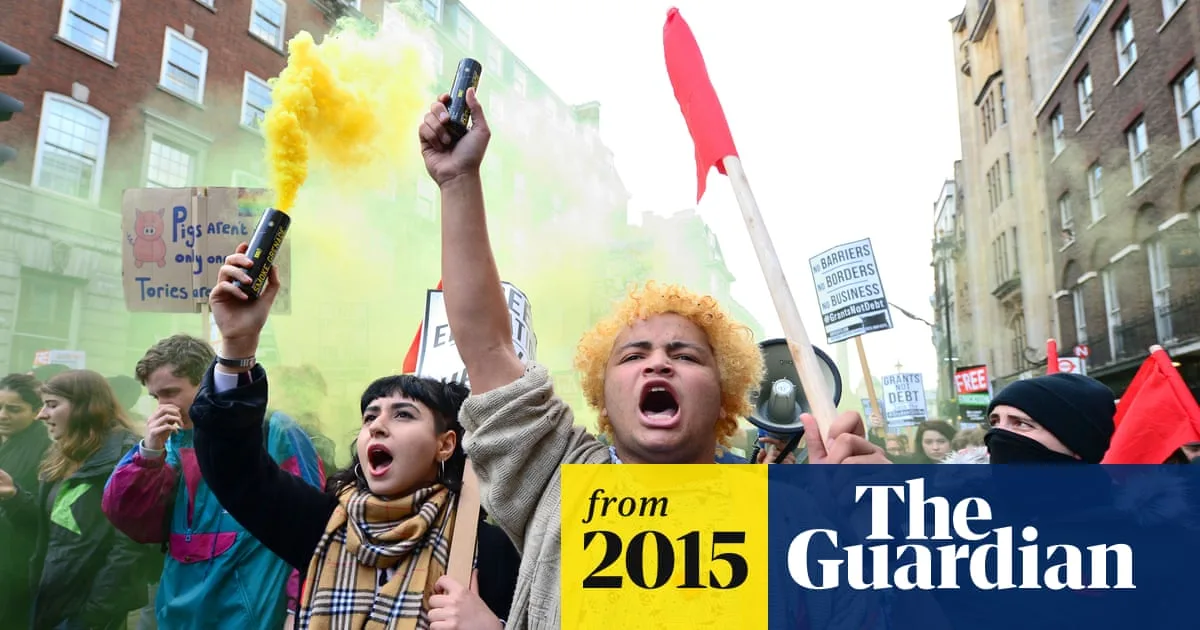
The chancellor has been criticised for freezing the income threshold at which student loans must be repaid at £21,000 for five years, breaking a previous pledge to raise it in line with average earnings. The change, omitted from the spending review speech, means graduates will pay an average of £306 more per year by 2020-21 compared with 2016-17.
The Department for Business, Innovation and Skills confirmed the freeze despite strong opposition in a recent consultation. The move is expected to increase repayments by £3.2bn over the lifetime of existing borrowers' loans.
Martin Lewis, founder of MoneySavingExpert, accused the chancellor of a 'retrospective change' and said it 'breaks the fundamental bond of politics'. Sorana Vieru, NUS vice-president, called it 'yet another betrayal'. Labour MP Wes Streeting warned it would hit low and middle-income graduates hardest.
A department spokesman defended the freeze, saying it reflected the reality that graduate earnings had not risen as expected, and that it contributes to debt reduction targets.




