
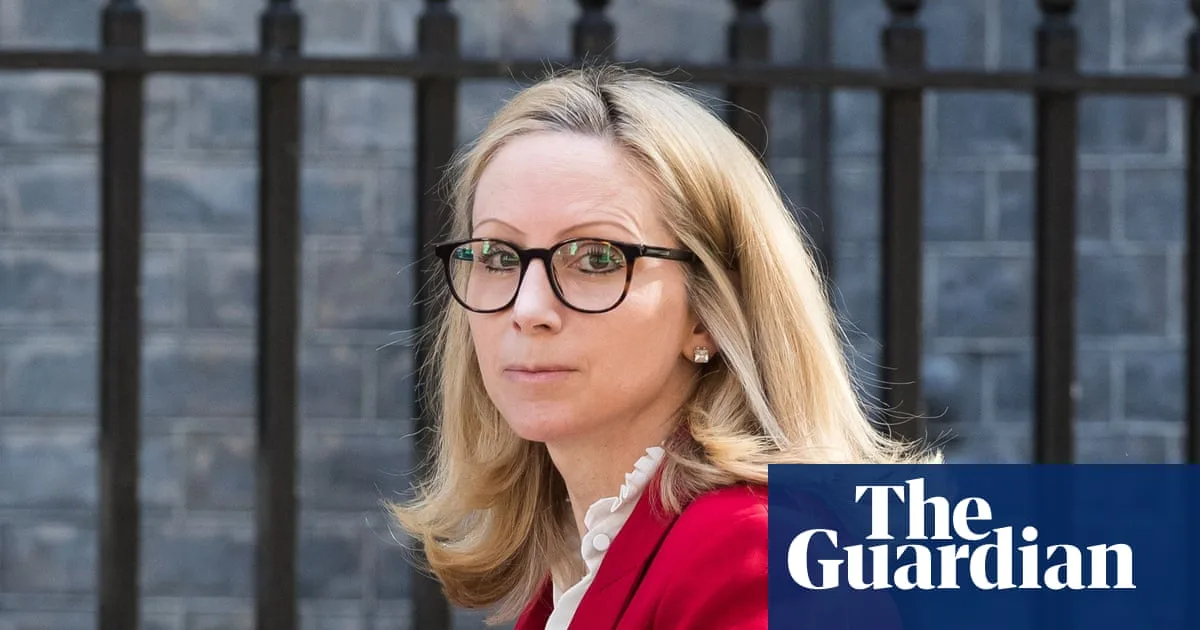
Lucy Rigby, the chief secretary to the Treasury, has defended the government's right to alter student loan terms, arguing that the loans are heavily subsidised and differ from commercial products. Speaking to MPs on Wednesday, she emphasised that less than half of young people attend university, and the government must consider fairness to taxpayers.
The controversy centres on 'plan 2' loans taken by millions of students in England and Wales. Many graduates see their monthly repayments dwarfed by accumulating interest, leading to growing debts. The row was sparked by Chancellor Rachel Reeves' decision to freeze the salary repayment threshold for three years, alongside criticism of above-inflation interest rates.
Consumer campaigner Martin Lewis has condemned the changes, stating that no commercial lender would be allowed to alter loan terms in such a way. However, Rigby told the Treasury select committee that student loans are 'very, very different' from commercial loans, as they lack credit history requirements and offer write-off options, justifying the government's ability to modify terms.
The committee is investigating student loans and graduate taxation. Last week, campaigners accused the government of using graduates as 'cash cows' to fund policies like the state pension triple lock. Former government reviewer Philip Augar compared the situation to car finance and PPI mis-selling scandals, but Skills Minister Jacqui Smith rejected this equivalence.
Over 52,000 people responded to a committee call for evidence, with many describing interest rates as 'extortionate' and higher than their mortgages. A government spokesperson noted steps to improve fairness, including raising the repayment threshold for the first time since 2021 and capping interest rates, while reintroducing targeted maintenance grants.




