The Mounting Student Debt Crisis in Britain
For generations, young people across the United Kingdom have been advised to study diligently, secure a place at a reputable university, and obtain a degree as a gateway to professional success. To finance their education, students are encouraged to take out loans they often do not fully comprehend, entering into financial agreements that can accumulate tens of thousands of pounds in interest over time. The prevailing message has been not to worry about the debt. However, a stark reality is now emerging, revealing a profound student loan crisis affecting millions of graduates.
Graduates Burdened by Soaring Balances
Recent disclosures indicate that nearly three million graduates currently owe more than £50,000 in student loans. The majority of these individuals will be subjected to an additional 9 per cent income tax for at least three decades, as most loans are only written off after 30 years. This situation has left many graduates, like Daveed Roodner, deeply concerned about their financial futures.
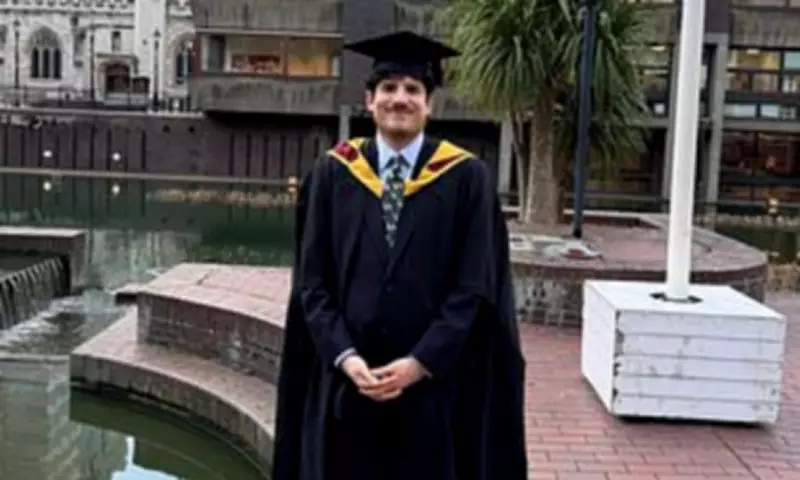
Daveed Roodner, a 25-year-old psychology graduate from the University of Exeter, shared his experience with the Daily Mail. "I've just accepted that I'm never paying it off—until it wipes when I'm 50," he stated. "I just can't see a world where I end up paying it off with the interest that's on it. I know that if I try and get a mortgage soon it will affect that and it's just hanging over me."

Despite borrowing £45,000 and graduating in 2021, Daveed now owes over £55,000. Working full-time in consultancy, he accrued £1,697 in interest last year, while his repayments amounted to only £144. He feels trapped by a system where his debt continues to grow faster than he can reduce it.
Widespread Increases in Loan Balances
A freedom of information request has revealed that four-fifths of university attendees are witnessing their student loan debt increase due to high interest rates. Specifically, 79 per cent of individuals who took out student loans, nearly 5.4 million people, are seeing their total balance rise after graduation, even if they are making regular repayments.
This marks a significant escalation from the 2020/2021 academic year, when only 66 per cent of graduates experienced rising balances. More than two million additional graduates in 2025 are seeing their balances increase compared to 2021. In extreme cases, some graduates owe staggering amounts, such as one individual who owes the Student Loans Company £314,356—more than the average UK house price.
Finlay Healy, a 23-year-old graduate from the University of Warwick, borrowed £49,000 for his studies, including a Master's degree. He now owes £63,953 and accrued £2,407 in interest last year, despite paying just £152 towards his loan while working full-time. Finlay expressed frustration, noting, "It's annoying because the people whose parents could afford to stump up the upfront cost of university will end up paying less because they won't accrue any interest. And those on super high salaries will pay off their loan really quickly and not pay nearly as much in interest as someone earning the average salary—like me."
He added, "I feel like I'm now being penalised for not being rich enough to afford the fees up front, but also for having a job that is just above the national average too—so I earn enough to make repayments but not enough to avoid a huge lump of interest being added. It feels a bit like a trap."
The Impact of High Inflation and Interest Rates
High inflation over the past five years has driven up the interest rates charged on student loans. For students on 'Plan 2' loans—the most common type—the maximum interest rate was 5.6 per cent in 2020/2021, dependent on income. By 2024/2025, this rate had surged to 7.3 per cent. When the maximum interest rate dropped to 4.5 per cent in 2021/2022, the percentage of graduates with rising balances decreased to 62 per cent, highlighting the direct correlation between interest rates and debt growth.

Clare Walsh, 26, has always earned below the salary threshold and has not yet begun repaying her loan. However, she still accrued £1,598 in interest last year, bringing her total debt to £52,569. "I'd never even really thought about it because you are told not to worry about it in school," Clare said. "But now that I've finished a Master's and got a full-time job and saw that it had grown by nearly £1,600, I just thought—how will I ever pay that off?"
Another graduate, JP McGrath, who studied at the University of Sussex, now owes £89,900 despite borrowing only £62,000. Last year, he paid £120 towards his loan, while interest added £6,000. Despite the financial burden, JP remained positive about his university experience, stating, "Honestly, it gave me the best years of my life. That amount seems high, but I would do it all over again. 100 per cent."
Political and Regulatory Responses
New data confirms that 2.8 million graduates owe more than £50,000, prompting a cross-party group of MPs to launch an official inquiry into what they describe as 'unfair' student loan conditions. The Commons Treasury Committee is investigating whether 'goalposts' have been 'moved in a way which is unfair to graduates'.
Chancellor Rachel Reeves announced that the salary threshold for Plan 2 student loan repayments would be frozen for three years after it rises to £29,385 in April. This decision, made in her November Budget, means more graduates will be drawn into repayments than if the threshold had increased with inflation. Campaigners have branded the move 'not moral', arguing that the Government is treating student debt as a revenue-raising tax.
Graduates on Plan 2 loans, taken out between 2012 and 2023, report that interest is accruing faster than they can pay it off. Interest under Plan 2 is charged at the Retail Price Index (RPI) plus up to 3 per cent. The current salary threshold for Plan 2 loans is £28,470, set to rise to £29,385 in April. Repayments are automatically deducted via PAYE, typically at 9 per cent of income over the threshold.
A Government spokesman responded, "We inherited the student loans system, including Plan 2, which was devised by the previous Government. Threshold freezes have been introduced to protect taxpayers and students now, alongside future generations of learners and workers. The student finance system protects lower-earning graduates, with repayments determined by incomes and outstanding loans and interest being cancelled at the end of repayment terms."
The spokesman added, "Since we were elected, we have been committed to supporting the aspiration of anyone who can and wants to attend higher education, including by reintroducing targeted maintenance grants to support the Prime Minister's target of two-thirds of young people taking a gold standard apprenticeship, higher training or heading to university by the age of 25."
As the student loan crisis intensifies, graduates across the nation are grappling with the long-term financial implications of their education, raising urgent questions about the sustainability and fairness of the current system.