Readers Share Personal Struggles with Name Mispronunciation
In response to Priti Ubhayakar's article on the challenges of having an unfamiliar name, numerous Guardian readers have shared their own poignant experiences, revealing widespread issues with mispronunciation in schools and daily life. These stories underscore the emotional and social impacts of such oversights.
Childhood Challenges in Educational Settings
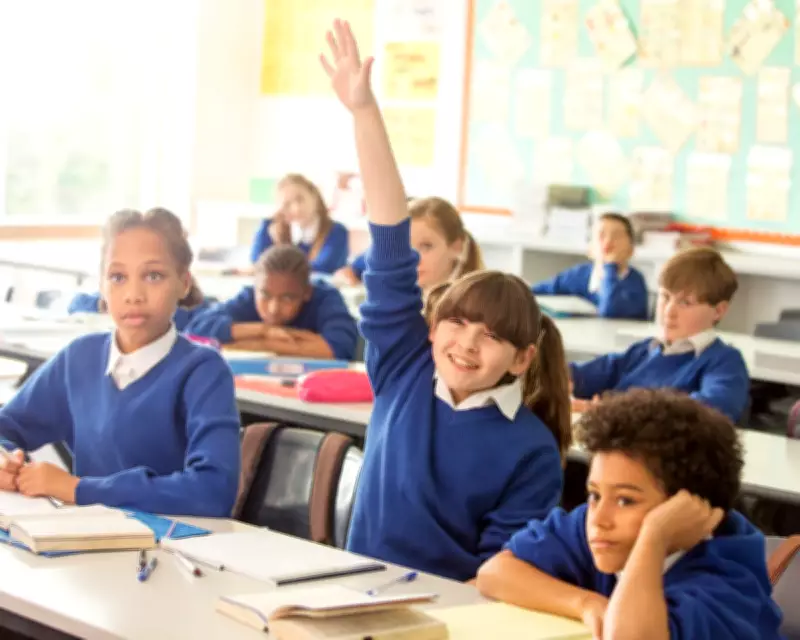
Carol Ann Uszkurat from Crouch End, London, recalls growing up in the 1950s on a predominantly English council estate, where her Lithuanian-derived surname, Uszkurat, stood out among common names like Brown or Smith. On her first day at junior school, a teacher insisted she was spelling her surname incorrectly, leading to multiple workbook replacements. This early confrontation prompted her mother to intervene with a letter. As an adult, Uszkurat faced frequent misspellings, such as Vosadrat or Urquhart. When she became a form teacher, she used her own name as a teaching tool, writing it on the blackboard and asking students to pronounce it, fostering a respectful dialogue about correct pronunciations in a diverse classroom.
Global Perspectives on Name Pronunciation
Manek Dubash from Lewes, East Sussex, notes that his first name often sounds like "manic" to English speakers, leading to repetitive jokes. He only hears the correct pronunciation, "Maanek," during visits to India or when speaking with Indians, highlighting a disconnect between cultural origins and local interpretations. Similarly, C Sugumar from Trichy, India, explains that his name is spelled Sugumar on official documents but should phonetically be Sukhumar, causing ongoing pronunciation issues. He points out that changing such details in official records is difficult, forcing many to endure the discomfort.

Historical and Cross-Cultural Experiences
Tim Ottevanger from Ashby Parva, Leicestershire, shares a humiliating memory from his first day at secondary school in 1954, two years after moving from Holland. When the head struggled to pronounce his name, the entire school laughed, setting a tone of alienation that persisted throughout his life. Yves Reny from Croix-Moligneaux, France, describes how his French name "Yves" was often mispronounced as "Wives" or mistaken for a girl's name in England, causing dread in social situations. He found relief during family holidays in France, where his name was correctly pronounced, emphasizing the cultural divide.
Long-Term Impacts and Resignation
Miall James from Coggeshall, Colchester, recounts a lifetime of challenges with his unusual Welsh first name, which caused confusion from childhood, such as a hospital reversing his name during a tonsillectomy. Now retired, he faces ongoing issues in medical settings, where staff frequently misaddress him. Despite this, he expresses gratitude to Ubhayakar for helping him correctly pronounce his MP's name, showing how small acts of understanding can foster connection.
Call for Greater Awareness and Sensitivity
These letters collectively highlight a need for greater sensitivity towards unfamiliar names in educational and social contexts. Readers advocate for proactive efforts to learn correct pronunciations, as demonstrated by Uszkurat's classroom approach, to promote inclusivity and respect for cultural diversity. The Guardian encourages further discussion on this topic through its letters section.