

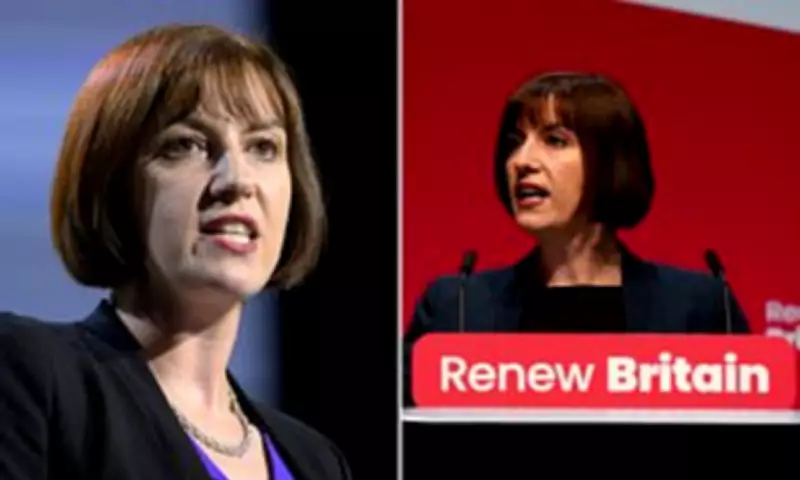
The first day of school is a significant milestone for any child, filled with both excitement and anxiety. However, a new concern is emerging for parents across the nation: the possibility that their four-year-old might return home expressing a desire to change gender. This scenario, while seemingly improbable, has become a tangible reality under new draft guidelines announced by Education Secretary Bridget Phillipson, which permit teachers to affirm a child's self-declared gender identity.
The Personal Cost of Affirmation Policies
To understand the potential dangers of this approach, consider the story of Aurora, an 18-year-old woman who shared her experience on a podcast series about gender ideology. At just six years old, Aurora began questioning her gender, influenced by her preference for playing with trucks and participating in boys' games. Instead of allowing this phase to pass naturally, her primary school teachers intervened, affirming her belief that she might be a boy and instructing her parents to do the same. Shockingly, they warned that failure to comply could lead to their daughter's suicide.
Aurora now believes her teachers destroyed her childhood, and only as she enters adulthood is she fully comprehending the damage inflicted. Her story serves as a stark warning about the consequences of premature gender affirmation in educational settings.

Analyzing the New Trans Guidance
The government's draft trans guidance for primary schools, released for consultation, has raised alarm bells among critics who detect the influence of gender activists prioritizing political ideology over child welfare. While Phillipson reaffirms that single-sex spaces should remain exclusive and advises teachers to consider the impact on all pupils, the guidance introduces concerning loopholes.
Ambiguous Language and Parental Exclusion
Unlike the previous Conservative draft from 2023, which clearly stated that primary school children should not use pronouns differing from their biological sex, Labour's version advises "particular caution" and endorses social transition "very rarely." This vague terminology creates ambiguity, as schools may interpret "very rare" cases subjectively.
More troubling is the provision that teachers are not obligated to inform parents if a child wishes to change gender. Although Phillipson suggests this should occur in the "vast majority of cases," she allows secrecy if disclosure might "harm the child." The term "harm" is broadly defined and has been weaponized by activists to accuse parents of emotional abuse for not affirming a child's chosen identity.
Real-World Consequences for Educators
The guidance risks exacerbating existing controversies, such as the cases of maths teacher Kevin Lister, dismissed for using gender-neutral language instead of a student's preferred pronouns, and Joshua Sutcliffe, banned from teaching for "misgendering" a pupil. Phillipson's framework could reignite such witch-hunts, placing educators in an impossible position.
Broader Concerns in Education Policy
Phillipson's approach to trans issues is part of a wider pattern of concerning policies. Her department recently advised headteachers against expelling students caught carrying knives, prioritizing offenders' education over the safety of classmates and staff. This relaxed attitude toward classroom safety is compounded by her attacks on the academy system, a VAT raid on private schools, and perceived failures to protect free speech on university campuses.
The Slippery Slope of Gender Affirmation
While Labour denies advocating for sex changes in primary-aged children, experts warn that affirming gender confusion at a young age can lead to puberty blockers and irreversible hormone therapies later in life. Telling a child they are born in the wrong body may encourage medical interventions, often resulting in profound physical and psychological scars.
Threats to Academic Freedom and School Autonomy
In higher education, Phillipson has been accused of failing to safeguard free speech, with 370 academics, including Nobel laureates, criticizing her inaction. Meanwhile, her Children's Wellbeing and Schools Bill threatens the autonomy of academies, which account for 41% of schools in England and have contributed to strong PISA scores in maths, reading, and science.

Political Motivations and Public Interest
Critics argue that Phillipson's policies are driven by political expediency rather than educational excellence. Her VAT removal on private schools disproportionately affects working-class families and children with special needs, while her trans guidance appears designed to appease ideological factions rather than protect vulnerable pupils.
As the consultation period begins, the spotlight is firmly on the Education Secretary. Her cavalier approach to student welfare and academic standards may ultimately jeopardize her political ambitions, but the real cost will be borne by children and families across the country.





