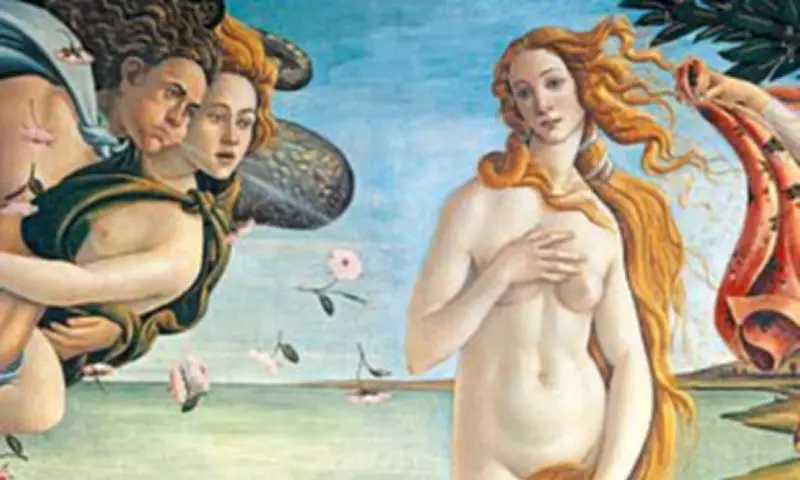
School Librarians Ordered to Remove Art Books Featuring Historic Nudes in Censorship Row
The National Education Union has sounded alarm bells over what it describes as an "insane" trend of school censorship, with librarians reportedly being instructed to remove art books containing historic paintings of nudes from library shelves. This controversy emerged during the union's annual conference, where delegates revealed multiple accounts of such censorship occurring across schools.
Lowry Academy Case Sparks Union Action
The issue gained prominence following revelations from Lowry Academy in Salford, Greater Manchester, where a school librarian was forced to remove books deemed inappropriate by management. The school employed artificial intelligence to identify nearly 200 books for potential removal, including literary classics like George Orwell's 1984 and Stephenie Meyer's Twilight series.
While the school later stated it had returned most books to "age-appropriate categories" and only removed "a small number," the case prompted the NEU to pass an urgent motion yesterday to "fight censorship and defend librarians" across the country.

Union Members Voice Concerns Over Educational Values
Kristabelle Williams, a union member from Lewisham who proposed the motion, emphasized the need for immediate action. "We cannot ignore the issues that this case has brought up," she stated. "We can take action as a union now to try to make sure it doesn't happen again."
Williams stressed that union support would give librarians the "confidence to not self-censor and resist the chilling effect that this case will cultivate," noting members' fears about increased risks of external complaints and hate campaigns targeting library collections.
Direct Accounts of Art Book Removal
Laura Butterworth, a member from Tameside in Greater Manchester near Lowry Academy, provided firsthand testimony during the debate. "I've heard many accounts from librarians in my district of them having to take art books off the shelves because they have historic paintings and sculptures of nudes, which is insane," she revealed.
Butterworth argued passionately for preserving artistic integrity in education, stating: "Literature is an art form, and we need to make sure we are not eroding it and we're not censoring it."
Broader Implications for Education
Another union member, Bernice Reynolds, framed the issue as "a direct attack on our educational values," asserting that "shrinking access to stories has never empowered a child." The union's formal motion declared that "no school librarian should fear losing their job for carrying out their professional role" and that they should be "supported by their school and defended by their union."
The resolution commits the NEU to developing practical toolkits for librarians and regional representatives on handling removal requests and emphasizes that artificial intelligence should not be "used as a punitive tool" to "sanction staff."
Union Leadership Condemns Censorship
Daniel Kebede, NEU General Secretary, issued a strong statement against the trend: "Any move to censor books in school libraries, based on misinformation and fearmongering, should ring alarm bells for all of us. The NEU is clear that this is not a path we are prepared to follow in the UK. Children's access to a wide range of literature is a fundamental good that the NEU is proud to defend."
Background of the Lowry Academy Controversy
The Lowry Academy case came to light through an investigation by Index on Censorship, a charity campaigning for freedom of expression, and was subsequently reported by the Daily Mail. The unnamed librarian, described as "vulnerable" by the charity, revealed that the school used AI to generate summaries justifying why 193 books were unsuitable for pupils.
Among the targeted books were a graphic novel version of Orwell's 1984, Michelle Obama's autobiography Becoming, and Nicholas Sparks' romance novel The Notebook. The AI-generated summary for the 1984 graphic novel warned of "themes of torture, violence, sexual coercion."

The librarian faced a safeguarding investigation for allowing certain books in the library, which ultimately led to her resignation. In response to the allegations, a spokesman for United Learning Trust, which operates Lowry Academy, maintained that books had not been "banned" but rather categorized by age-appropriateness following an audit, with only "a very small number" removed entirely due to content concerns.