
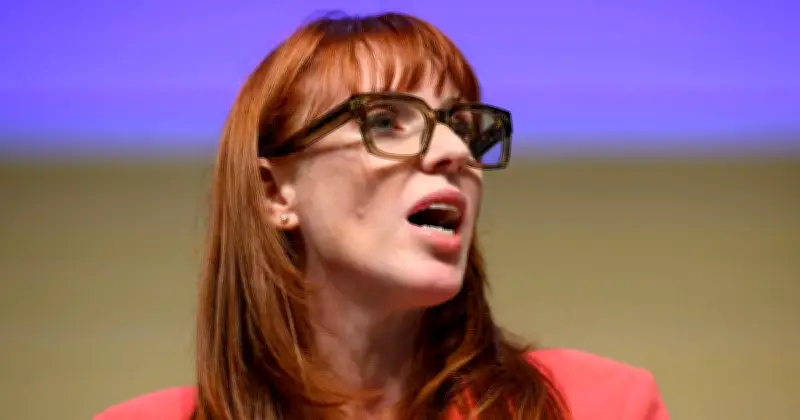
Angela Rayner has launched a blistering attack on Sir Keir Starmer in her first public intervention since the Prime Minister resigned, accusing him of presiding over a government that merely 'defended the status quo'. Speaking at a New Economics Foundation event, the former deputy prime minister warned that Labour would not defeat Nigel Farage's Reform UK 'with caution' and threw her weight behind incoming prime minister Andy Burnham's plans to shift power from Westminster to local town halls.
Rayner's Critique of Starmer's Record
In a speech to the Left-wing think tank, Rayner did not hold back. She described Starmer's tenure as one of stagnation and missed opportunities, arguing that the government had failed to deliver the transformative change promised to voters. 'We cannot beat the Farage agenda by being cautious or by defending the status quo,' she said, according to sources present. Her remarks mark a significant escalation in internal Labour tensions, coming just days after Starmer stepped down following a series of political setbacks.
Support for Burnham's Devolution Agenda
Rayner also explicitly endorsed Andy Burnham's vision for a 'northern powerhouse' with greater autonomy. She argued that moving decision-making out of Westminster would help reconnect Labour with its grassroots and address regional inequalities. 'Power must be devolved to our towns and cities,' she stated, aligning herself with Burnham, who is expected to become the next Labour leader and Prime Minister. This backing is seen as a strategic move to position herself within the new leadership's inner circle.
Fallout from Tax Row and Resignation
Rayner quit Starmer's Cabinet earlier this year amid controversy over her tax arrangements, a scandal that damaged her reputation and led to her departure. Since then, she has remained largely silent, making this speech her most significant political statement since leaving government. Her decision to criticise Starmer publicly suggests she is seeking to redefine her role in the party's future direction, possibly eyeing a return to frontline politics under Burnham.
Implications for Labour's Strategy
Political analysts note that Rayner's intervention could deepen divisions within Labour, particularly between the party's left wing and more centrist factions. Her warning about Reform UK underscores growing concern that Nigel Farage's party is gaining traction by appealing to voters disillusioned with mainstream politics. By advocating for a bolder, more radical approach, Rayner is positioning herself as a champion of the party's traditional base, even as Burnham seeks to broaden Labour's appeal.




