MPs Vote Down Proposed Social Media Ban for Under-16s
In a significant parliamentary decision, MPs have rejected a proposed ban on social media access for children under the age of 16. The vote saw 307 members oppose the measure against 173 in favour, resulting in a majority of 134. This amendment to the Children's Wellbeing and Schools Bill was introduced by Conservative former minister Lord Nash and had previously gained support in the House of Lords earlier this year.
Government Secures Enhanced Ministerial Powers
Despite the rejection of an outright ban, the Commons supported a government initiative to grant additional authority to the secretary of state. Under this provision, Science Secretary Liz Kendall could potentially restrict or ban children of specific age groups from accessing social media platforms and chatbots. Education Minister Olivia Bailey informed MPs that Kendall might also limit children's use of virtual private networks (VPNs), curb access to addictive features like autoplay, and adjust the UK's digital consent age.
Divergent Views on Online Safety Measures
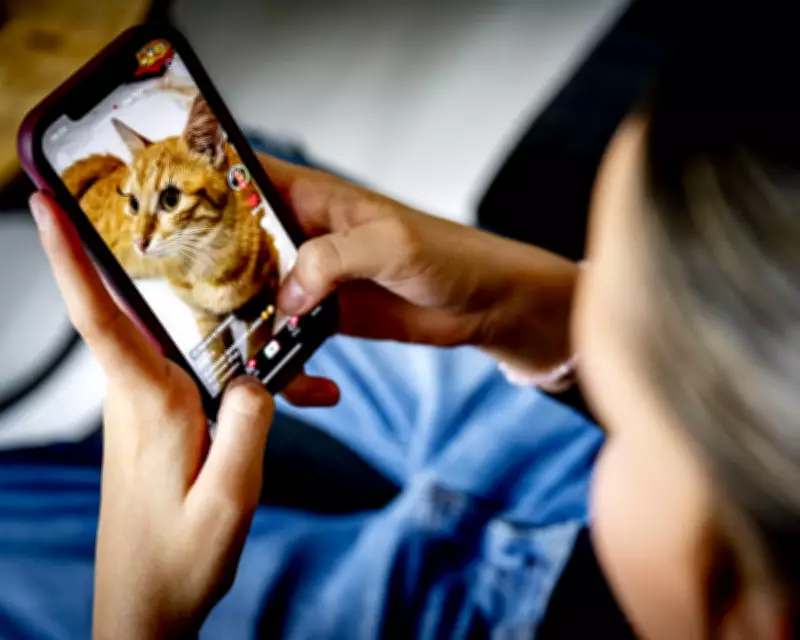
The debate highlighted a sharp divide among stakeholders. Proponents of the ban argued that parents face an "impossible position" in protecting children from online harms, citing growing concerns over mental health and exposure to inappropriate content. However, opponents, including children's charities like the NSPCC, cautioned that a blanket ban could inadvertently push teenagers toward unregulated and potentially more dangerous areas of the internet.

Lord Nash expressed deep disappointment with the Commons' decision, vowing to pursue all possible avenues to revive the amendment in the upper chamber. Meanwhile, the government has launched a consultation to explore alternative approaches, focusing on whether social media should impose minimum age requirements and deactivate addictive functionalities.
Political Reactions and Legislative Path Forward
The vote revealed political crosscurrents, with Labour MP John McDonnell rebelling against his party to support the Lords amendment, while 107 Labour MPs abstained. Liberal Democrat education spokesperson Munira Wilson criticised the government's hesitation, urging concrete assurances rather than prolonged deliberation.
The Children's Wellbeing and Schools Bill will now return to the House of Lords for further scrutiny. It must secure agreement from both Houses to become law. Additionally, the legislation includes provisions requiring local councils to assess the home environments of children not in school within 15 days of registration—a response to the tragic case of 10-year-old Sara Sharif, who was murdered in Woking, Surrey, in 2023.
This development follows Australia's implementation of the world's first social media ban for under-16s in January, underscoring global efforts to address youth online safety. The UK's ongoing consultation aims to balance protection with preparedness, ensuring children develop healthier digital habits without being driven to hidden corners of the web.