Molly-Mae Hague's Homeschooling Stance Sparks Debate on Influencer Parenting
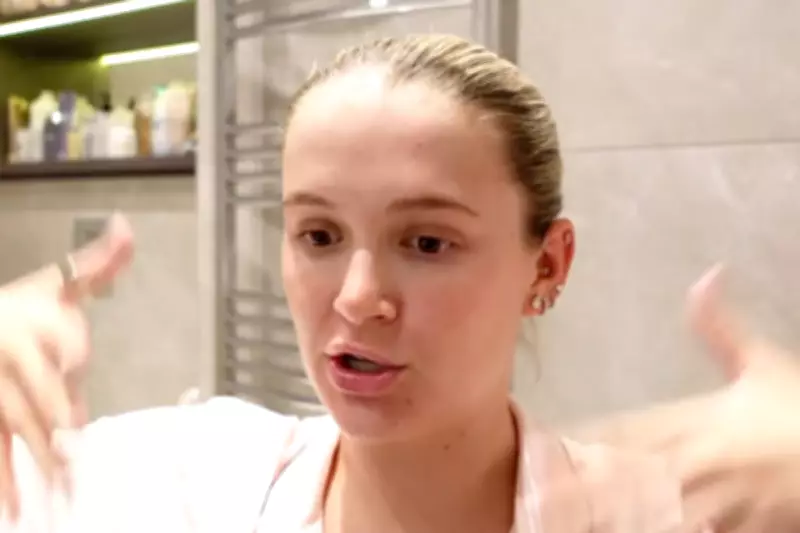
Former Love Island contestant Molly-Mae Hague has ignited a fierce debate about parenting and education after expressing concerns that mainstream schooling might be "too strict" for her three-year-old daughter Bambi. The influencer, who recently announced her second pregnancy, revealed on YouTube that she and partner Tommy Fury are "on the fence" about formal education, worrying that Bambi's strong personality might cause her to "lose her spark" in traditional classroom settings.
The Rise of Celebrity Homeschooling
Hague joins a growing list of celebrities opting for alternative education paths. Fitness coach Joe Wicks withdrew his daughter from mainstream education in 2023 to facilitate family travel, while television personality Nadia Sawalha removed her children from private school in 2016 citing academic pressure. Similarly, Stacey Solomon began homeschooling her eldest sons in 2018 after expressing concerns about their diminishing enthusiasm for learning.
"Everyone's a teacher now, aren't they?" observes commentator Victoria Richards, who questions what educational foundation influencers like Hague can provide. "What spark does Bambi stand to gain from SATs in social media or homework on reality television stardom?" she asks pointedly.

The Homeschooling Landscape in England
Elective home education (EHE) numbers in England have risen significantly, reaching approximately 126,000 children last autumn from 111,700 the previous year. While pandemic disruptions contributed to this increase, advocates cite legitimate concerns including school dissatisfaction, mental health issues, and special educational needs (SEND) requirements as driving factors.
Richards acknowledges valid reasons for homeschooling, noting friends who removed children due to bullying, mental health challenges, or neurodiversity needs that mainstream education couldn't accommodate. However, she distinguishes these circumstances from decisions based primarily on preserving a child's "personality" or avoiding perceived strictness.
Privilege and Educational Inequality
The commentary highlights concerns about privilege and educational inequality. "What gets me is the eye-watering entitlement of it all," Richards states, pointing to how homeschooling often favors middle-class families with resources and flexible schedules unavailable to working parents.
She warns against the rise of "home school influencers" promoting what she describes as "paranoid, anti-expert ideology" reminiscent of certain political movements. The concern extends to whether parents without formal teaching qualifications can adequately cover fundamental subjects like biology, literacy, and mathematics.
The Teaching Profession Under Pressure
Richards, married to a teacher, emphasizes the profession's demanding nature, describing hours of planning, resource development, and emotional labor that extend far beyond academic instruction. Teachers frequently provide pastoral care, including feeding hungry children, clothing those without adequate attire, and addressing complex social issues within school environments.
"Teachers are heroes and saviours and de facto social workers," she writes, recalling educators who supported students through pandemic losses and family crises. During lockdowns, teachers served as essential key workers, managing both classroom and online instruction while often balancing their own family responsibilities.
A Three-Tier Education System
The UK already contends with a two-tier private/state education divide, but Richards identifies a concerning third tier: complete withdrawal from formal education systems. This option remains inaccessible to families requiring dual incomes or lacking flexible work arrangements, potentially exacerbating existing educational inequalities.
She challenges Hague and Fury to redirect their influence toward systemic improvement rather than individual withdrawal. "If they care so much about education, why not become school governors or classroom assistants?" Richards proposes, suggesting that engagement with local schools could benefit all children rather than just their own.

The debate raises fundamental questions about parental responsibility, educational expertise, and social privilege in an era where personal branding sometimes intersects with parenting decisions. As influencer culture continues shaping public discourse, the implications for childhood education and social development remain subjects of intense scrutiny and concern.