

Minister Pledges Continuity of Support for Special Needs Children
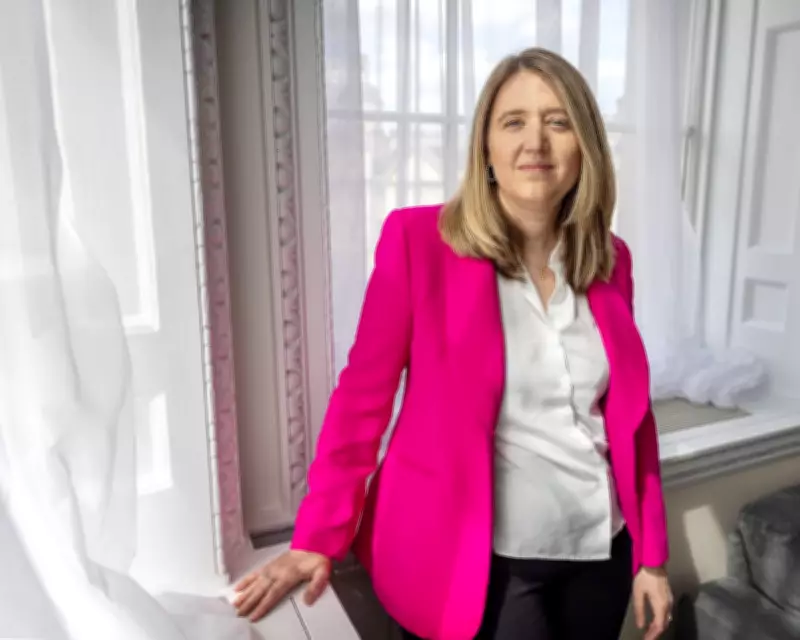
In a significant reassurance to anxious families, Education Minister Georgia Gould has affirmed that children with special educational needs and disabilities (Send) in England will not face the removal of their current support or school placements. This declaration comes amidst a contentious government-led overhaul of Send provision, aimed at enhancing early intervention and mainstream school resources.
Addressing Parental Fears in National Forums
During a series of online forums and town hall meetings, part of the Department for Education's "national conversation," Gould directly confronted widespread concerns. She stated, "No child is going to be asked to leave the school that they're in. So I just want to give that reassurance." Questions about the future of education, health and care plans (EHCPs)—legal agreements that underpin support for pupils with special needs—have been a recurring theme in these discussions, which have spanned nearly two months.
Gould, who has been tasked with shaping the upcoming schools white paper, has traveled extensively across England, engaging with communities in locations such as Darlington, Skegness, and Bristol. The DfE reports hosting over 100 listening events since the Send reform initiative began. In an interview, Gould shared insights from parents who have spent up to £30,000 to secure support under the current system, highlighting the intense battles many families face with local authorities to obtain EHCPs.

Commitment to Legal Rights and Early Intervention
Emphasizing empathy, Gould remarked, "I don't blame any parent who's fighting for their child, I would do the same. What we need to do is make sure that support is in place earlier, in a really clear way." The government's strategy focuses on equipping mainstream schools with enhanced resources to provide specialist support promptly, potentially reducing the reliance on EHCPs for many families.
While groups like the Disabled Children's Partnership acknowledge the benefits of early intervention and more inclusive mainstream settings, fears persist that cost-cutting measures and limitations on legal redress could undermine children's entitlements. At forums, parents like Leyla expressed skepticism, questioning what would happen if the new system fails and whether children unable to adapt to mainstream schools would lose access to special schools.
In response, Gould reassured, "To reassure Leyla and anyone who has that concern, we still see a really important place for special schools." She outlined plans for £3 billion in capital funding to develop mainstream units and special schools, alongside additional training for educators. Gould added, "There are some children who need that specialist provision. I've seen extraordinary work within special schools and we want a system that works together so mainstream schools are learning from the best that happens in special schools and children are in the right place for their education."
Long-Term Reform and Immediate Measures
The upcoming white paper is expected to allow children with existing EHCPs to retain them indefinitely, including the right to appeal to specialist Send tribunals. A decade-long transition period is anticipated to build capacity in mainstream schools before major changes take effect. However, parents of younger children worry that Gould's guarantees may not apply by the time their needs arise.
In the short term, schools will receive increased resources and budgets to accommodate more children with special needs. This includes establishing specialist units within every mainstream secondary school, complete with dedicated staff and facilities. The goal is to offer parents more options, alleviate pressure on special schools, and theoretically decrease the necessity for EHCPs. Legal redress mechanisms, such as tribunals, will remain available, with ongoing discussions about statutory support frameworks.
Currently, approximately 460,000 school-age children have EHCPs, with nearly half already in mainstream schools. A key objective of the reform is to ensure that formal diagnoses—for conditions like autism or ADHD—are not prerequisites for receiving additional support or reasonable adjustments in educational settings.

Reflecting on the challenges, Gould noted at a forum in Reading, "Somebody said: what you're describing sounds like Nirvana but it's a million miles away from our experience in the system now, and we don't have a lot of trust that you can change it." She acknowledged past failures and emphasized that transformation will be gradual, requiring collaborative effort to rebuild trust and improve outcomes for all children with special needs.





