

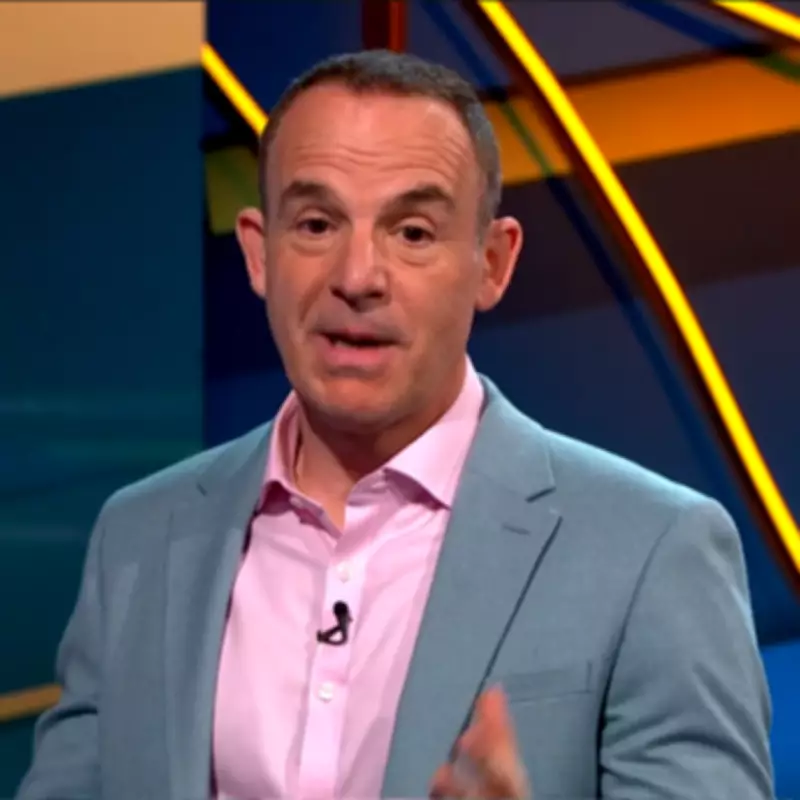
Martin Lewis Condemns Student Loan Threshold Freeze as 'Breach of Natural Justice'
Financial guru Martin Lewis has launched a scathing critique of proposed changes to Plan 2 student loans, declaring the UK Government's plans a "breach of natural justice" in a recent social media post. The consumer champion warns that graduates who completed university within the last fifteen years face significantly higher deductions from their pay packets if threshold freezes proceed as planned.
How the Freeze Impacts Graduate Finances
Lewis explained the mechanics behind the controversial policy shift: "When you freeze a tax threshold, as average earnings and inflation are rising, people have more earnings above the threshold. Therefore, they pay a greater proportion of their income in tax." He emphasized that the repayment threshold for Plan 2 student loans operates on precisely the same principle.
The financial expert projects that by 2030, affected graduates could be paying approximately £250 more annually than under current arrangements. Lewis went further to characterize the repayment system as effectively functioning like a "graduate tax" that disproportionately impacts those with well-paid positions, reducing their take-home pay despite salary increases.

Understanding Plan 2 Loans and Eligibility
Plan 2 student loans apply specifically to:
- English undergraduate students who began courses anywhere in the UK between September 2012 and July 2023
- Welsh students who commenced studies since September 2012
These loans typically clear thirty years after the April following course completion, with the earliest possible write-off occurring in April 2043 for those who finished in 2012/13. This system differs substantially from both earlier Plan 1 (pre-2012) and newer Plan 5 (post-2023) loan arrangements, which feature distinct repayment terms and thresholds.
The Mechanics of the Threshold Freeze
In detailed analysis published on his MoneySavingExpert platform, Lewis elaborated on the freeze's implications: "The main income tax thresholds haven't moved since 2021, while at the same time we've had high inflation, which has pushed up earnings." This combination means graduates are paying a larger portion of their income toward loan repayments as more of their earnings exceed the frozen threshold.
Lewis provided a concrete example illustrating how annual salary increases would interact with the frozen £29,385 threshold:
- Current: Earnings of £28,400 remain below threshold - no repayment
- April 2026: Salary rises to £29,300, still below threshold - no repayment
- April 2027: Salary reaches £30,200, exceeding threshold - £73 annual repayment
- April 2028: Salary increases to £31,100 - £154 annual repayment
- April 2029: Salary climbs to £32,000 - £235 annual repayment
- April 2030: Salary rises to £32,900 - £316 annual repayment
The financial expert noted an additional consequence: some graduate earners are reaching the higher 40% income tax threshold earlier in their careers than would otherwise occur, creating a double financial squeeze. Lewis urged affected individuals to seek personalized financial advice and thoroughly research how these changes might impact their specific circumstances.






