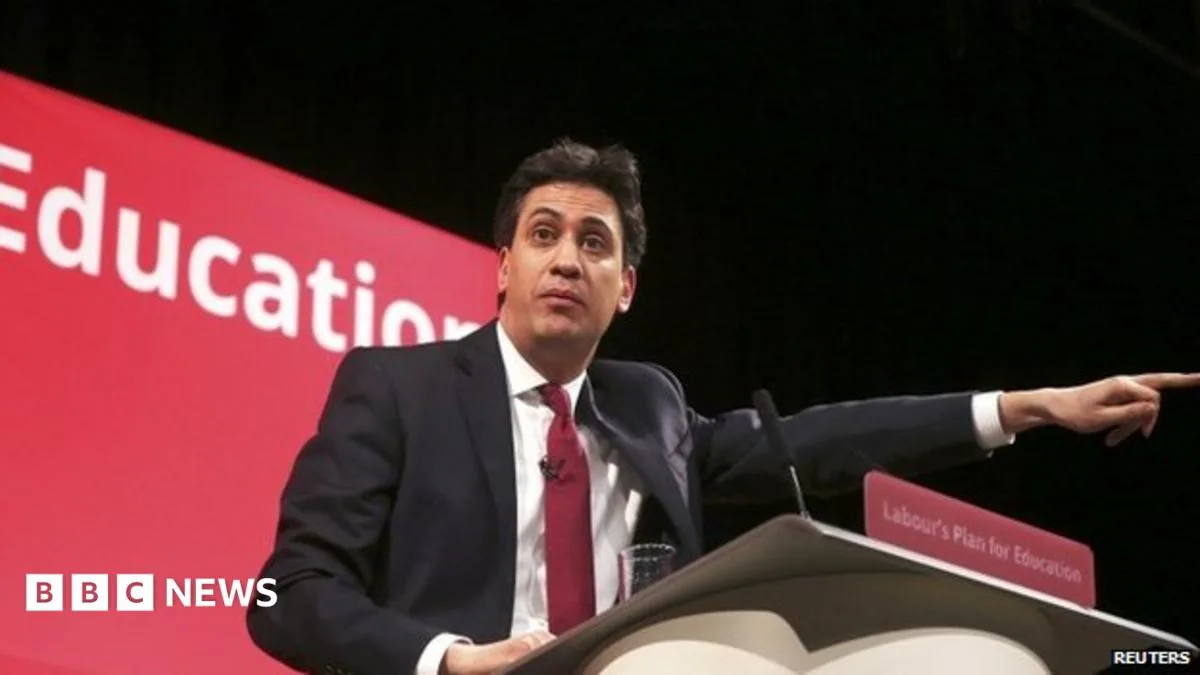
Labour has been accused by the Conservatives of escalating its so-called class warfare into the education sector with controversial plans to means-test school funding based on parental income. This move, critics argue, could unfairly penalise hard-working families who strive to provide for their children.
Education Secretary Unveils Ambitious White Paper
Today, Education Secretary Bridget Phillipson will publish a comprehensive schools white paper that aims to dramatically overhaul special educational needs and disabilities (SEND) provision while targeting a halving of the persistent attainment gap between disadvantaged pupils and their peers.
Radical Funding Formula Shift
A central pillar of Labour's proposals involves reforming how approximately £8 billion in educational funding is allocated. The new system would shift from using free school meal eligibility as the primary indicator to a more nuanced approach that considers household income levels.
Labour's proposed disadvantage funding formula would incorporate multiple factors including where a child resides, how low their parents' income actually is, and the duration of this financial situation. This represents a significant departure from current funding mechanisms.
Conservative Backlash Intensifies
The Conservative Party has launched strong criticism against these proposals, framing them as part of Labour's broader 'class warfare' agenda following recent punitive tax measures targeting private schools.
Tory shadow education secretary Laura Trott articulated the opposition's position clearly: 'Every child deserves to receive the support they need. But it is fundamentally wrong to attempt narrowing the disadvantage gap by dragging everyone down rather than lifting children up.'
Phillipson Defends Against 'Class Warrior' Label
Yesterday, Ms Phillipson was compelled to directly address accusations that she embodies a 'class warrior' mentality, even as she vowed to 'come down hard on those who are profiting from the system' at the expense of educational quality.
Speaking to Times Radio, the Education Secretary highlighted concerning trends: 'We've witnessed a substantial expansion, for instance, in private equity involvement within specialist schools where educational quality often proves highly variable despite significant costs.'
When pressed about whether she identifies as a 'class warrior', Phillipson responded unequivocally: 'No, I don't. I'm genuinely ambitious for every single child in our country, regardless of their background or circumstances.'
SEND System Overhaul Details
Ms Phillipson has characterised the new funding approach as a 'golden opportunity' to sever the persistent link between socioeconomic background and educational success. Today's white paper will outline specific reforms including handling milder special needs cases directly within schools.
This change responds to the alarming escalation in children diagnosed with behavioural conditions like ADHD, which has placed enormous financial strain on local councils, nearly pushing some toward bankruptcy.
The SEND reforms will also introduce mandatory reassessment of education, health and care plans (EHCPs) when children complete primary school, beginning in 2029. Under the new framework, pupils with less complex needs such as certain autism and ADHD presentations may no longer automatically qualify for EHCPs.
This adjustment addresses the dramatic surge in children with SEND plans, which skyrocketed from 240,000 to 639,000 over the past decade, overwhelming existing support systems.
Comprehensive Teacher Training Initiative
All teaching staff will receive specialised training to effectively educate SEND children under Labour's proposals. Mainstream schools will benefit from a share of £4 billion in dedicated funding designed to enhance their capacity to support children with special educational needs within regular classroom environments.
These combined measures represent Labour's ambitious attempt to create a more equitable, sustainable educational framework while confronting what they identify as systemic inequalities that have persisted for generations.






