Federal Judge Weighs Subpoena in University of Pennsylvania Antisemitism Investigation
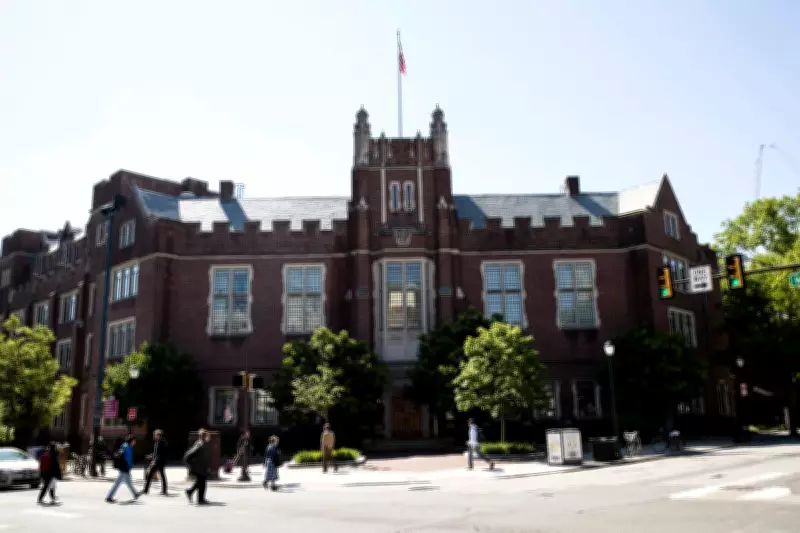
A federal judge heard arguments on Tuesday regarding the enforcement of a subpoena against the University of Pennsylvania, as part of a federal investigation into whether antisemitism has created a hostile work environment for Jewish employees at the Ivy League institution.
EEOC Investigation into Alleged Antisemitic Incidents
The Equal Employment Opportunity Commission (EEOC) is investigating the Philadelphia-based university following several reported antisemitic incidents. These include antisemitic slurs and property damage at a Jewish student life center, a Nazi swastika painted on an academic building, and hateful graffiti left outside a fraternity.
The probe has also examined the university's handling of protests related to the war in Gaza and its response to other concerning incidents on campus. The EEOC initiated this investigation after accusing Penn of a pattern of antisemitic behavior in court documents filed last fall.

Contentious Subpoena Request
Tuesday's hearing before U.S. District Judge Gerald Pappert focused specifically on the EEOC's request to enforce an administrative subpoena filed in November against Penn's Board of Trustees. The agency is investigating claims that Jewish faculty and employees have been subjected to an illegal hostile work environment based on religion, race, or national origin.
The EEOC argues that identifying those who have witnessed or experienced this environment is essential for determining whether the work environment was both objectively and subjectively hostile. In November, the commission wrote that Penn's workplace is "replete with antisemitism" and expressed concern about the probable reluctance of Jewish faculty and staff to complain due to fear of hostility and potential violence.
University's Privacy Concerns
Penn's legal team has raised significant privacy concerns about the EEOC's demands. The university argues that the only current dispute centers on what it calls the EEOC's "extraordinary and unconstitutional demand" for lists of employees that reveal their Jewish faith or ancestry, associations with Jewish organizations, affiliation with Penn's Jewish studies programs, and personal details including home addresses, phone numbers, and email addresses.
The university maintains it has cooperated extensively for more than two years, turning over approximately 900 pages of material to investigators. Penn says it offered to notify all employees about the investigation and provide contact information for the agency, but this approach was rejected by the EEOC last fall.
Civil Liberties Organizations Voice Concerns
Vic Walczak, an American Civil Liberties Union lawyer representing five groups in the case, expressed concerns about the collection and potential use of the information demanded by the government. While supporting investigations into antisemitism, these groups—some specifically Jewish-related and others consisting more broadly of faculty—feel "this is not the way to do it."
"We're on the same side as Penn—we're not opposing an investigation, what we're opposing is the court forcing Penn to create, essentially, lists of participants in Jewish organizations and turning over confidential information, including home addresses," Walczak stated.
Awaiting Judicial Decision
Judge Pappert did not indicate when he might rule following the four-hour hearing. The legal dispute originated in December 2023 when the EEOC first accused Penn of antisemitic behavior patterns. A Penn spokesperson stated the university will await Pappert's decision before taking further action.
The university has argued that its proposed approach of notifying employees about the investigation would "not invade employees' privacy, sense of safety, and constitutional rights or echo terrifying periods of history for Jewish communities." Messages seeking comment were left Tuesday for the EEOC's regional attorney, Debra Lawrence, and at the agency's Philadelphia office.